
 By
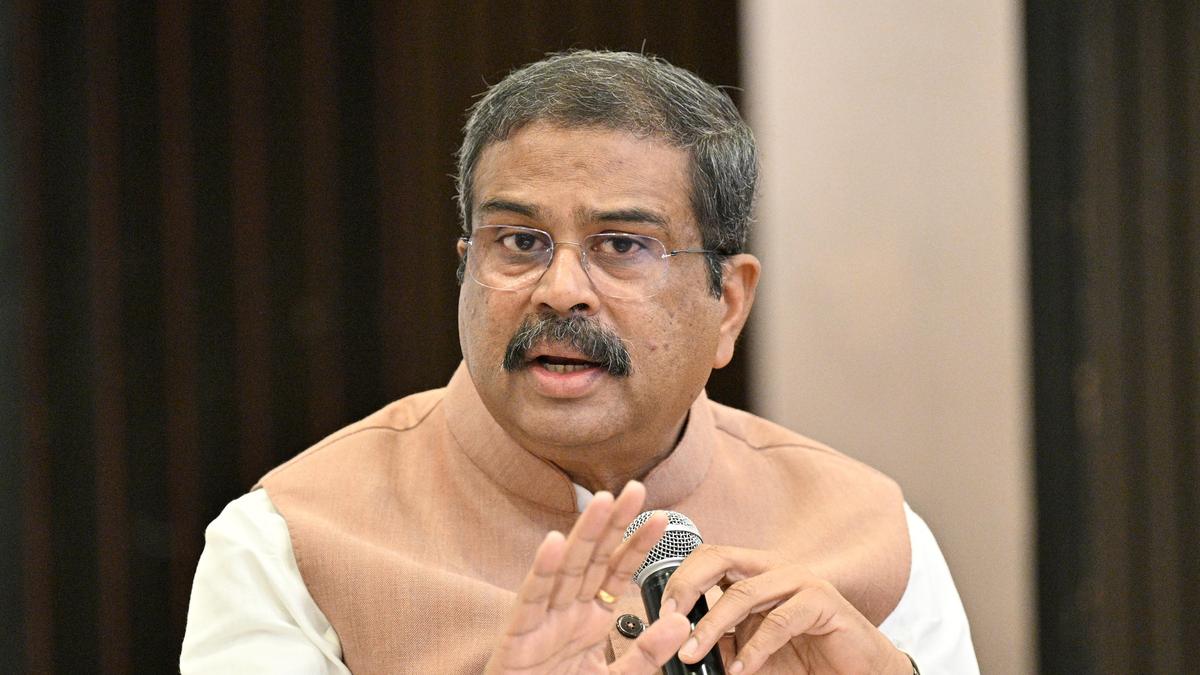
By Dharmendra Pradhan’s departure from the Union Education Ministry marks the end of a five-year term that witnessed some of the most significant policy changes in India’s education sector in recent decades. While his exit has generated political debate, his tenure was largely defined by efforts to translate the National Education Policy (NEP) 2020 into reality through a series of structural reforms across school and higher education.
Before taking charge of the Education Ministry, Pradhan had earned recognition for overseeing the rapid expansion of the government’s LPG connection programme as Petroleum Minister. In education, he focused on implementing long-term reforms aimed at reshaping learning, governance, and skill development, though many initiatives remain at different stages of execution.
Under his leadership, the ministry rolled out the National Curriculum Framework (NCF), promoted multidisciplinary education, and introduced measures designed to make learning more flexible and aligned with future workforce requirements. In higher education, the government proposed institutional reforms, including the Vikshit Bharat Shiksha Abhiyan (VBSA) as part of a broader effort to modernise the regulatory framework.
School education also underwent major changes during his tenure. The expansion of PM SHRI schools, renewed emphasis on the three-language formula, updated teacher-training programmes, and initiatives to strengthen foundational learning formed key components of the ministry’s agenda. Many of these reforms were intended to improve classroom quality while aligning education with the broader objectives of NEP 2020.
A recurring theme across the ministry’s initiatives was the emphasis on accountability, performance-based evaluation, integration of education with skill development, and greater use of technology. The government argued that these measures would prepare students for a rapidly changing economy while strengthening India’s education ecosystem.
However, the reform agenda also attracted criticism from sections of educators and opposition leaders. Concerns were raised over implementation challenges, the pace of execution, and proposals that critics believed encouraged greater centralisation in education governance. Others questioned whether the reforms adequately addressed regional diversity and institutional autonomy.
Despite differing views, many of the initiatives launched during Pradhan’s tenure remain ongoing. The incoming Education Minister will now be responsible for carrying forward these programmes, resolving implementation challenges, and determining the next phase of India’s education reforms under the framework of the National Education Policy.