
 By
Rather than distancing itself from the controversial operations, the state government has publicly defended the police, arguing that officers must be able to respond firmly when their lives are threatened. Adhikari has repeatedly said his government has given the police a “free hand” in dealing with serious crimes, particularly rape and murder. The position has drawn support from BJP leaders but also criticism from Opposition parties, which warn that strong action cannot come at the cost of due legal process.
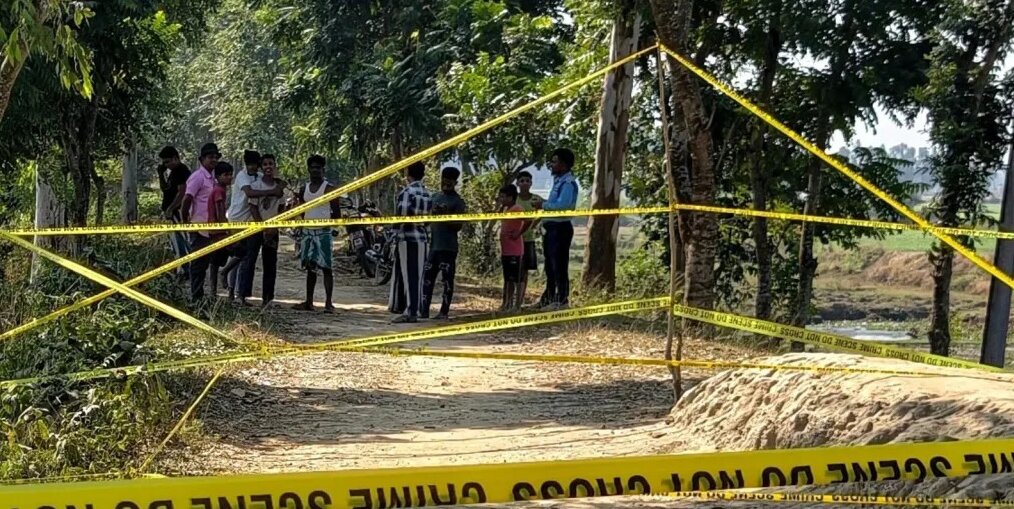
The latest incident took place on Monday in Raiganj, Uttar Dinajpur district, near the Bengal-Bihar border. Dilip Roy, accused in the rape and murder of a 12-year-old girl, was shot dead during an encounter with police.
Adhikari Defends Police Action in Raiganj
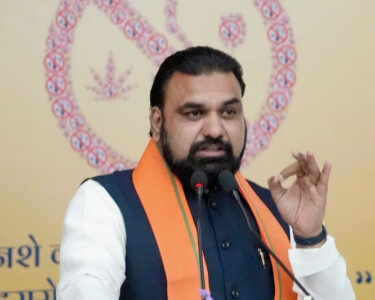
Reacting to the incident, Chief Minister Suvendu Adhikari questioned what police officers were expected to do when attacked by an accused.
“If someone tries to kill the police, will the police throw rasgullas? Is it the police’s job to keep guns in their pockets?” he said, defending the officers’ response and maintaining that they had acted in accordance with the law.
Adhikari also reiterated his government’s position that police officers did not need to wait for permission from senior officials in certain situations.
“The government has given the police a free hand in certain cases. They need not wait for permission from their superiors to act. There is absolutely zero tolerance towards rape and murder, drug trafficking and infiltration,” he said.
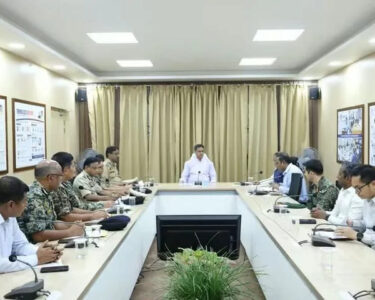
The government’s firm public backing has become a defining feature of its response to the encounters. With BJP leaders praising the police and criticism from Opposition parties remaining divided, the administration appears determined to maintain its tough position.
Four Encounters Since May
The Raiganj incident is the fourth police encounter involving a murder or rape-murder accused since the BJP came to power in West Bengal.
On July 8, Prabhas Mondal, accused of raping and killing a 13-year-old girl, was shot dead in Baruipur, South 24 Parganas. Police said Mondal had attempted to snatch an officer’s firearm, prompting retaliatory firing.
The next two encounters took place on October 27.
In Gaighata, North 24 Parganas, Prahlad Das, accused of raping and murdering a 13-year-old girl, was killed during a police operation. According to the police account, Das tried to take an officer’s revolver and opened fire when he was taken to the crime scene after midnight for reconstruction of the incident. Officers then fired in retaliation.
On the same day, Samiul Sheikh, accused of murdering BJP worker Sujit Mondal, was killed in an encounter at Samserganj in Murshidabad. Police claimed that Sheikh had attempted to snatch a policeman’s weapon.
The four incidents have brought the police response to serious crimes into the centre of Bengal’s political debate, particularly over how officers use force while dealing with suspects.
BJP Leaders Rally Behind the Police
BJP leaders and ministers have strongly defended the police operations, presenting them as evidence of the government’s commitment to tackling crimes against women.
Union Minister Sukanta Majumder said the state government had maintained a zero-tolerance position from the beginning and argued that the police were responding more promptly than they had under the previous Trinamool Congress government.
State Tourism Minister Shankar Ghosh also backed the government’s position, although he said the circumstances leading to the police action should be examined before reaching a final conclusion.
After the two encounters on October 27, Urban Development and Municipal Affairs Minister Agnimitra Paul posted a Bengali poem titled Encounter on Facebook. The poem called for an end to crime, stressed that there should be no compromise with injustice and expressed hope that people would be able to live without fear.
State Minister Moumita Biswas Mishra also supported the police action, describing it as the kind of change the BJP had promised during its 2026 election campaign.
Opposition Questions the Encounter Policy
Opposition parties have responded differently to the incidents, with some questioning the circumstances of the encounters and others arguing that accused persons should face punishment through the judicial system.
Following the Raiganj encounter, Trinamool Congress MP Abhishek Banerjee criticised the BJP government on X. He argued that the encounters had not stopped sexual violence, pointing to another reported case involving the alleged abduction and rape of an eight-year-old girl in Bhatar, Purba Bardhaman.
TMC MLA and spokesperson Kunal Ghosh said those committing such serious crimes had no place in society. However, he questioned whether an encounter was the appropriate response, arguing that the accused should have faced legal proceedings and, if convicted, the harshest punishment.
Senior Congress leader Adhir Ranjan Chowdhury also called for strict punishment but accused the BJP government of importing the encounter approach associated with Uttar Pradesh. He said the focus should be on preventing crimes rather than relying on police encounters.
CPI(M) central committee member Sujan Chakraborty described the policy as dangerous, saying that giving police unchecked freedom could push Bengal towards lawlessness.
The differing responses underline a central question in the debate: how can the state ensure swift action against serious crimes while maintaining accountability and the rule of law?
Women’s Safety Was a Major BJP Election Issue
The BJP’s current position on law and order comes after years of criticism of the previous Mamata Banerjee-led TMC government over its handling of crimes against women.
The August 2024 rape and murder at Kolkata’s R.G. Kar Medical College and Hospital triggered widespread protests and brought the issue of women’s safety back into the national spotlight. The Mamata government faced allegations of lapses in the investigation and its handling of the case. The BJP, then in Opposition, made women’s safety and law and order major issues during the 2026 Assembly election campaign.
Mamata Banerjee had also faced criticism over remarks made in response to individual cases. After a medical student was allegedly gang-raped in Durgapur in October 2025, she said that young women should be careful about going out at night and questioned why the student had been outside at 12.30 am. Her comments drew accusations of shifting responsibility towards the victim.
The 2012 Park Street gangrape case had also sparked controversy after Banerjee described the incident as a sajano ghotona, or a concocted story, when it was first reported.
These earlier controversies helped make women’s safety a major political issue in Bengal. The BJP government is now presenting its tough response as a break from the previous administration’s record.
However, the four encounters have opened another debate. While the government says police must act decisively when confronted with violent suspects, Opposition parties and critics are questioning whether such operations can become a substitute for investigation, prosecution and trial. The circumstances of each encounter, and the evidence supporting the police accounts, will remain central to that debate.