
 By
By Groceries in 10 minutes no more? Blinkit, Zepto halt quick delivery service claims
India’s quick-commerce industry is quietly reworking one of its most aggressive promises — groceries delivered in just 10 minutes. Platforms such as Blinkit and Zepto have voluntarily decided to stop advertising ultra-fast delivery timelines following concerns raised by the Union labour ministry over increasing pressure on gig workers and unsafe working conditions.
The move marks a significant shift for a sector that has built its identity around speed, convenience and instant gratification. While companies insist that delivery partners are not encouraged to drive rashly, the government’s intervention suggests that the optics and psychological pressure created by countdown-based deliveries can no longer be ignored.
Government steps in amid safety concerns
According to sources familiar with the discussions, a meeting was recently held between representatives of the central government and leading quick-commerce platforms including Blinkit, Zepto, Zomato and Swiggy. Labour minister Mansukh Mandaviya is understood to have raised concerns over the stress placed on delivery workers due to unrealistic timelines, particularly during peak hours and festive seasons.
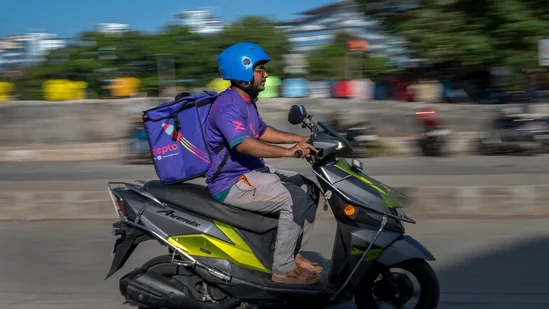
Officials flagged that the “10-minute delivery” branding — prominently displayed on mobile apps, delivery bags and rider uniforms — creates constant time pressure, potentially compromising road safety. The government reportedly urged platforms to reassess how delivery timelines are marketed, even if operational processes remain unchanged.
Also Read – Zomato, Swiggy Increase Gig Workers’ Pay Amid New Year’s Eve Strike Call
Blinkit acts first, others expected to follow
Blinkit has already moved to comply. The Zomato-owned platform has removed the 10-minute delivery promise from its branding and updated its messaging across app interfaces and promotional material. The company’s principal tagline has been revised from “10,000+ products delivered in 10 minutes” to “30,000+ products delivered at your doorstep.”
Industry sources indicate that other quick-commerce players are expected to follow suit in the coming days, although no formal government order has been issued. The decision, instead, appears to be a voluntary corrective step taken after sustained discussions with policymakers.
A senior executive at a rival platform, speaking on condition of anonymity, said the focus is now shifting towards “predictable and safe delivery windows” rather than headline-grabbing speed claims. “The economics of quick commerce won’t change overnight, but the messaging certainly will,” the executive said.
Strike pressure and public scrutiny
The change comes amid growing unrest among gig workers. On December 31, a section of delivery partners across multiple platforms staged a strike, demanding better payouts, predictable incentives and improved working conditions. The protest, held on one of the busiest delivery days of the year, drew public attention to the pressures faced by gig workers during peak demand.
Workers have repeatedly argued that even if companies claim average speeds are low, incentive structures and customer expectations often force riders to rush, especially when app timers visibly count down delivery deadlines.
Public discourse around gig worker safety has also intensified following a series of road accidents involving delivery partners in major cities, though no official data links these incidents directly to ultra-fast delivery targets.
Also Read – Government Proposes 90 Days of Annual Work for Gig Workers to Ensure Social Security Benefits
Zomato’s earlier defence
Zomato founder and CEO Deepinder Goyal had earlier dismissed claims that Blinkit’s 10-minute delivery model promotes unsafe driving. Responding to criticism during the December 31 strike, Goyal said delivery partners typically travel an average distance of around two kilometres at a speed of 16 kmph, which he argued does not necessitate reckless behaviour.
Goyal also pointed out that Blinkit covers insurance premiums for its delivery partners and maintains that safety protocols are in place. However, critics counter that real-world conditions — including traffic congestion, weather, and customer pressure — make the experience far more stressful than corporate metrics suggest.
Raghav Chadha welcomes move
Aam Aadmi Party Rajya Sabha MP Raghav Chadha welcomed the decision, calling it a victory for delivery partners and citizens who had raised concerns over road safety and worker welfare.
In a post on X, Chadha said the removal of “10-minute delivery” branding was long overdue. “When ‘10 minutes’ is printed on a rider’s jacket or bag and a countdown runs on a customer’s screen, the pressure is real, constant, and dangerous,” he wrote.
Chadha added that he had spoken to hundreds of delivery partners over recent months, many of whom described being overworked, underpaid and forced to take risks to meet unrealistic expectations. He credited citizen support and government intervention for pushing platforms to act.
A broader reset for quick commerce?
The decision to step back from ultra-fast delivery claims may signal a broader recalibration for India’s quick-commerce sector. While speed will remain a competitive advantage, companies appear to be recognising that branding built solely around extreme timelines carries reputational and regulatory risks.
Experts say the industry’s next phase could focus on reliability, assortment depth and worker welfare rather than shaving off a few extra minutes. With millions of Indians now dependent on gig work for income, regulatory scrutiny is expected to intensify.
For now, the disappearance of the “10-minute delivery” promise marks a rare moment where government pressure, worker voices and public opinion have aligned — forcing a fast-moving industry to slow down, at least on paper.