
 By
By The Bharatiya Janata Party on Monday formally elected Bihar MLA Nitin Nabin as its new national president, marking a significant moment in the party’s organisational journey and underlining a clear push towards generational transition within its top leadership. At 45, Nabin becomes one of the youngest leaders to assume the party’s highest organisational post, at a time when the BJP is recalibrating its political strategy after consecutive electoral cycles and preparing for the challenges of the next decade.
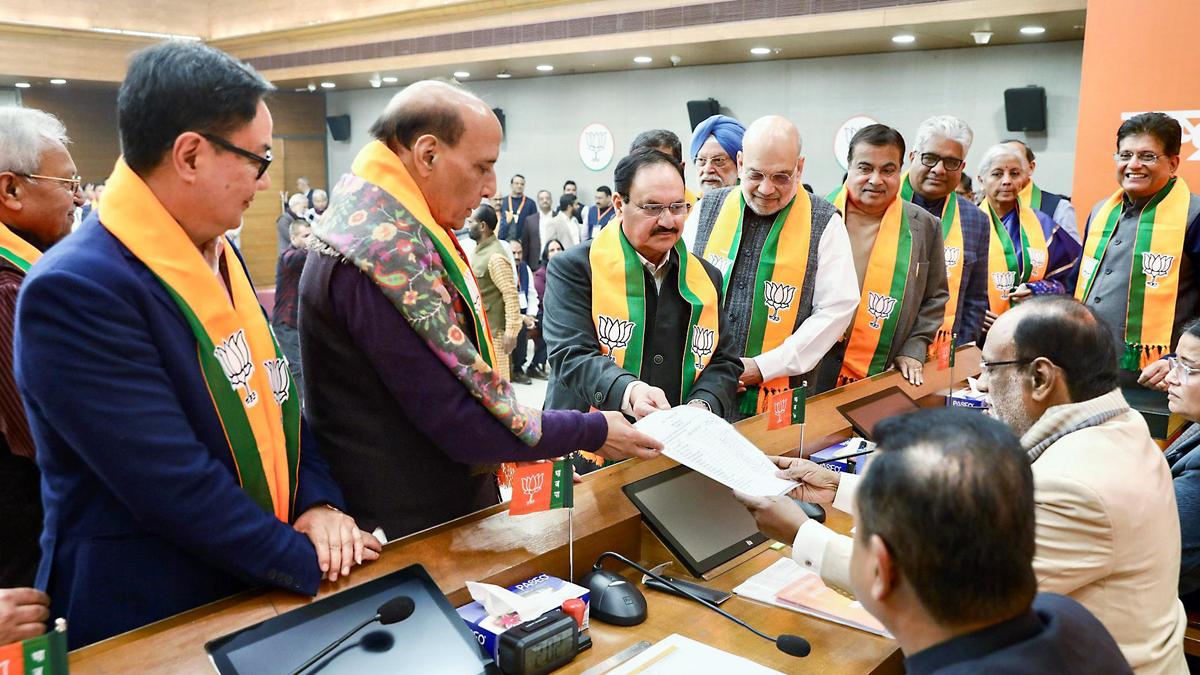
The election, which concluded at the BJP headquarters after a day-long nomination process, was largely a formality, with Nabin emerging as the sole candidate in the fray. The absence of contest, however, did little to diminish the political significance of the moment. Instead, it reinforced what party insiders had been indicating for weeks — that Nabin enjoyed broad consensus across state units and the backing of the party’s central leadership.
Announcing the outcome, Rajya Sabha MP K. Laxman, who served as the Returning Officer for the organisational elections under the BJP’s ongoing Sanghathan Parv, confirmed that 37 sets of nomination papers had been filed in favour of Nabin. All nominations were scrutinised and found valid, leaving no other contender in the race. “After the period for withdrawal, only one valid nomination remained. Accordingly, Shri Nitin Nabin has been elected unopposed as the National President of the Bharatiya Janata Party,” Laxman said in an official statement.
Also Read – BJP names 45-year-old Nitin Nabin as new working president, signals generational shift
The process to elect the BJP’s national president began after elections were completed in 30 of the party’s 36 state units. While party rules require only about half the state units to complete their internal polls before the national election can proceed, the BJP leadership chose to wait for a larger organisational base, reflecting an attempt to project internal stability and inclusiveness. The resulting electoral college was one of the largest in recent years, further lending weight to Nabin’s unchallenged elevation.
Nabin had already been serving as the BJP’s national working president since December 14, a move widely interpreted as a signal of succession. His formal elevation on January 19 cements that transition and closes an 18-month-long internal process to identify a leader capable of steering the party’s organisation while aligning closely with the political vision of Prime Minister Narendra Modi and the central leadership.
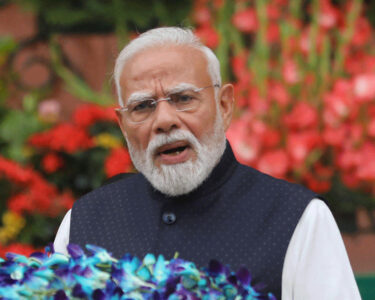
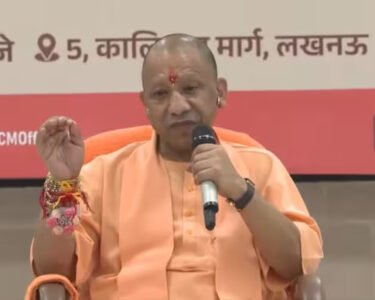
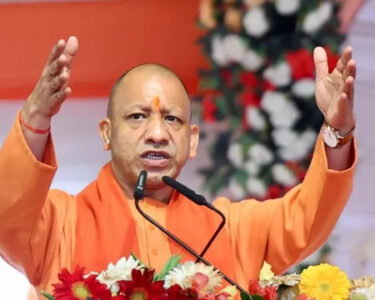
The scale of support for Nabin was evident in the list of proposers backing his nomination. Among those who signed his papers were Prime Minister Modi, Union Ministers J.P. Nadda, Rajnath Singh and Amit Shah, along with several chief ministers and senior leaders from across the country. Chief Ministers Yogi Adityanath (Uttar Pradesh), Pema Khandu (Arunachal Pradesh), Bhupendra Patel (Gujarat) and Pramod Sawant (Goa) were among those whose state units formally endorsed his candidature, underscoring the breadth of political backing he commands.
Born into a family deeply rooted in BJP politics, Nitin Nabin’s political journey has been marked by both legacy and personal resilience. His father, Nabin Kishore Prasad Sinha, was a multi-term BJP MLA in Bihar, and his sudden death in 2006 thrust a young Nabin into active politics at a critical moment. On the verge of completing his engineering degree from the Birla Institute of Technology, Mesra, Nabin contested a by-election from his father’s seat and emerged victorious — a win that laid the foundation for a long and steady political career.
Also Read – Indian Politics EXPOSED Shehzad Poonawalla Spills the Truth
Since then, he has remained unbeaten in assembly elections, first representing Patna West and later the Bankipur constituency following delimitation. His consistent electoral success has helped him build a reputation as a grounded mass leader, particularly in urban constituencies, while maintaining strong ties with the party’s organisational machinery.
Nabin has also accumulated significant administrative experience. He served as Bihar’s Minister for Roads in the Nitish Kumar government between August 2021 and 2022, and later held key portfolios including Urban Development, Housing, and Law and Justice from 2024 to 2025. These roles placed him at the centre of infrastructure planning and governance reforms, areas the BJP has consistently highlighted as core to its development narrative.
Within the party organisation, Nabin rose through the ranks of the Bharatiya Janata Yuva Morcha, serving at both state and national levels. His organisational acumen was further tested when he was given charge of states such as Chhattisgarh and Sikkim. In Chhattisgarh in particular, party leaders credit him with helping strengthen internal cohesion and sharpening campaign messaging, which contributed to the BJP’s return to power in the state after a gap in 2023.
As he prepares to formally take charge on January 20, party sources say Prime Minister Modi is expected to be present at the ceremony, lending symbolic weight to the transition. A meeting of the BJP’s National Council is also likely to be convened soon to formally ratify Nabin’s election.
For the BJP, Nitin Nabin’s elevation represents more than a routine organisational change. It reflects an attempt to balance experience with youth, continuity with renewal, and governance with grassroots mobilisation — a combination the party believes will be crucial as it charts its political course in the years ahead.