
 By
By The newly announced India–United States trade agreement has triggered political endorsement as well as economic optimism in New Delhi, with BJP National President Nitin Nabin calling it a “positive and far-reaching” step that could reshape India’s growth trajectory and global trade positioning. Coming at a time of global economic uncertainty and shifting geopolitical alignments, the deal is being projected by the ruling party as both an economic win and a diplomatic milestone.
More than just a reduction in tariffs, the agreement is being read within political circles as evidence of India’s growing leverage in global negotiations. For the BJP leadership, the deal reinforces Prime Minister Narendra Modi’s claim that India is no longer a passive rule-taker in international trade but an assertive partner shaping outcomes in its national interest.
Nitin Nabin Applauds Leadership and Vision
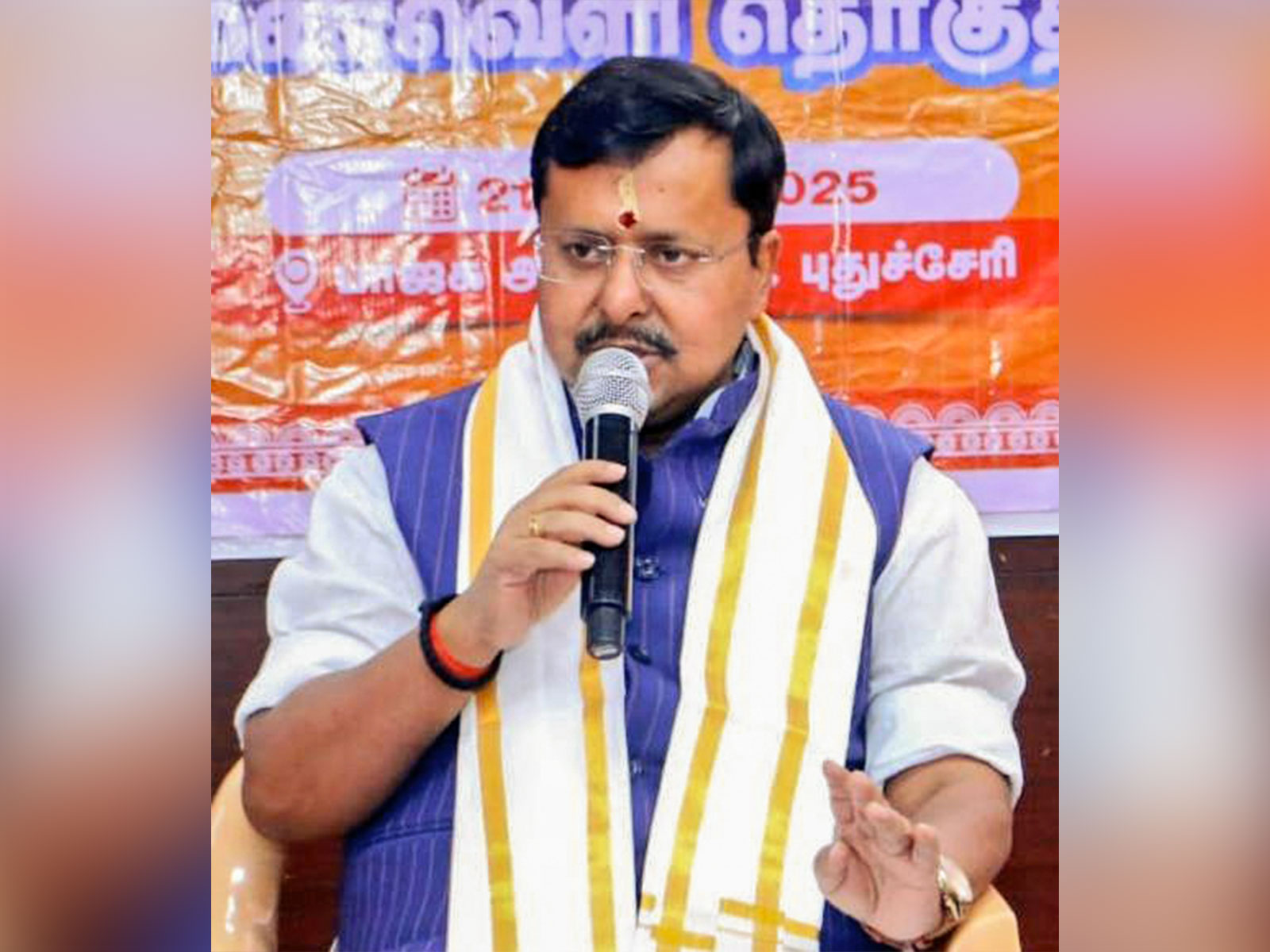
Reacting to the development, Nitin Nabin publicly congratulated Prime Minister Modi, crediting his leadership for opening “new doors of opportunity” for India’s youth and domestic industry. In a post on social media, the BJP chief said that closer economic cooperation between the world’s two largest democracies would inject momentum into India’s economy and strengthen flagship initiatives such as Atmanirbhar Bharat and Make in India.
According to senior BJP functionaries, the leadership views the agreement as a validation of India’s long-term strategy of combining economic openness with strategic autonomy. Party leaders argue that reduced tariffs on Indian exports to the US will directly benefit labour-intensive sectors such as textiles, engineering goods, electronics, and value-added manufacturing—areas that employ millions of young Indians.
What the Deal Changes on the Ground
At the heart of the agreement is the reduction of US tariffs on Indian goods to 18 percent, down from 25 percent, offering immediate relief to exporters who have struggled with cost pressures over the past year. The decision is expected to improve price competitiveness of Indian products in the American market, which remains India’s single largest export destination.
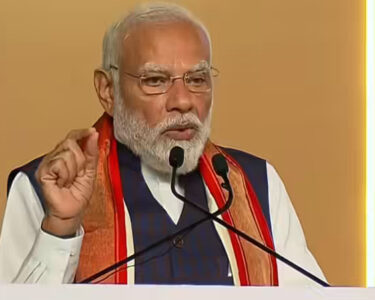
Prime Minister Modi, confirming the development after speaking with US President Donald Trump, said the move would unlock “immense opportunities” for both nations. He framed the agreement not merely as a transactional arrangement, but as a partnership between two democracies committed to shared prosperity and global stability.
Government officials believe the tariff relief could also accelerate foreign investment flows into India, particularly as global companies look to diversify supply chains away from China. With tariff uncertainty easing, India could regain momentum as a preferred manufacturing hub in Asia.
भारत-अमेरिका संबंधों में हुई ये नई प्रगति अभिनंदनीय है।
माननीय प्रधानमंत्री जी को बधाई। उनके कुशल नेतृत्व में भारत में युवाओं के लिए नित नएअवसरों के द्वार खुल रहे हैं।भारत और अमेरिका, यानि दुनिया के दो सशक्त लोकतंत्र के बीच प्रगाढ़ होते संबंधों का प्रभाव बहुत ही सकारात्मक और…
— Nitin Nabin (@NitinNabin) February 2, 2026
Energy, Technology and Strategic Alignment
Beyond goods trade, the agreement carries broader implications. President Trump indicated that discussions included increased Indian purchases of US energy, technology, and agricultural products. While New Delhi has not publicly confirmed all details, officials say India remains committed to diversifying its energy sources without compromising strategic independence.
The deal also comes close on the heels of India finalising a Free Trade Agreement with the European Union, underscoring a deliberate push by the Modi government to lock in major economic partnerships with key global blocs. Together, these agreements place India at the centre of emerging global trade networks at a time when protectionism is rising elsewhere.
Also Read – Trump–Modi Trade Reset Signals Strategic Thaw After Months of Economic Friction
Political Messaging and Economic Confidence
For the BJP, the political messaging is clear: economic diplomacy is being positioned as a core strength of the Modi government. Party leaders argue that India’s ability to negotiate tariff reductions with the US, while safeguarding sensitive sectors such as agriculture and small enterprises, reflects a balance between global integration and domestic priorities.
Economists tracking the development suggest that while implementation details will matter, the signal sent by the agreement is significant. Markets have already responded positively, with currency stability and investor sentiment improving in anticipation of smoother trade flows.
Looking Ahead
As negotiations move toward formalisation and implementation, attention will shift to how quickly exporters can capitalise on the new tariff structure and whether promised investments translate into jobs and industrial growth. For now, the BJP leadership sees the deal as a strategic affirmation of India’s rising global stature.
As Nitin Nabin put it, the agreement is not just about trade numbers—it is about confidence, credibility, and India’s place in a rapidly changing world.