
 By
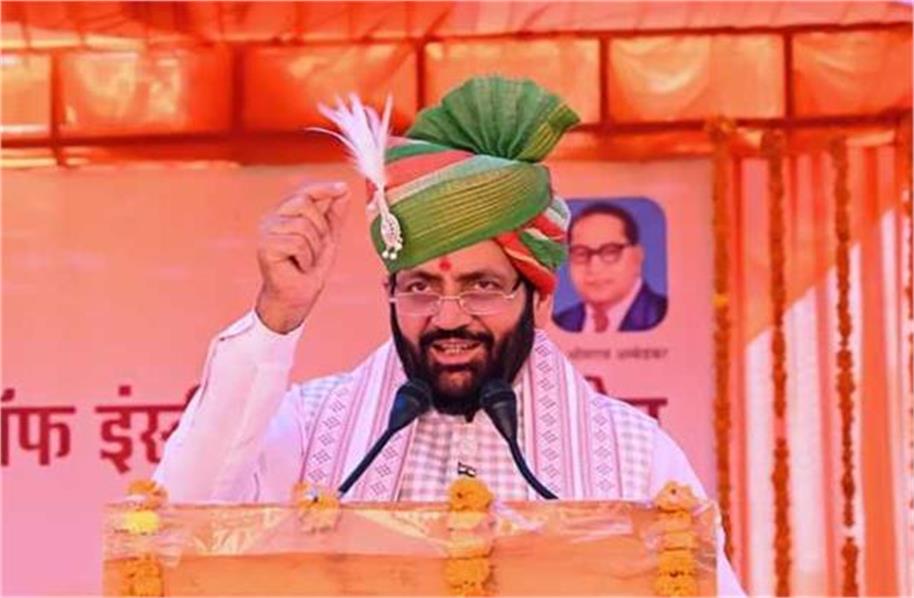
By In a major push towards sustainable agriculture, the Haryana government has announced an ambitious natural farming project that could reshape the future of farming in the state. Chief Minister Nayab Singh Saini on Sunday said natural farming will be introduced across a 2,000-acre cluster in Kurukshetra under the “Smart Agriculture” initiative, developed in collaboration with Haryana Agricultural University.
What makes the initiative stand out is the government’s assurance that farmers participating in the project will be compensated for any losses incurred during the transition. The move is expected to encourage more cultivators to adopt chemical-free farming practices without fear of financial setbacks.
Addressing a gathering at Kurukshetra University during a programme organised by the Agriculture and Farmers Welfare Department, the Chief Minister said natural farming is not a new concept for India but a return to the country’s traditional agricultural wisdom. He stressed that protecting water resources, soil quality, and the environment is essential for ensuring long-term agricultural growth.
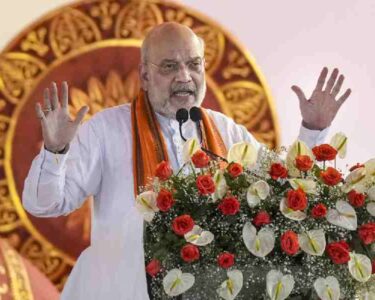
Saini highlighted the role of Gujarat Governor Acharya Devvrat, widely regarded as one of the strongest advocates of natural farming in the country. He noted that the natural farming model developed at Gurukul Kurukshetra has emerged as an example for farmers by demonstrating successful cultivation without the use of chemical fertilisers and pesticides.
The Chief Minister said Haryana’s natural farming programme, launched in 2022, has witnessed encouraging participation from farmers. Nearly two lakh farmers have registered around three lakh acres under the scheme so far. During the 2025-26 financial year alone, natural farming practices were adopted on more than 20,000 acres across the state.
To strengthen awareness and capacity building, the government has established dedicated training centres in Kurukshetra, Jind, Sirsa, and Karnal. More than 12,000 participants, including farmers, women, and government employees, have already received training. Thousands of village heads have also been trained through online programmes.
The government is also backing the initiative with financial incentives. Farmers adopting natural farming are eligible for a subsidy of ₹30,000 for purchasing indigenous cows, which play a key role in preparing organic inputs. Assistance is also being provided for storage and processing infrastructure required for natural farming.
Looking ahead, the state plans to introduce a dedicated policy to promote organic and natural farming on panchayat land and government-owned agricultural land. Special market spaces, testing laboratories, and certification centres are also being planned to help farmers market their produce more effectively.
With Kurukshetra set to become the hub of this large-scale experiment, Haryana hopes to create a model that combines modern technology with traditional agricultural practices, offering farmers a sustainable and profitable path forward.