
 By
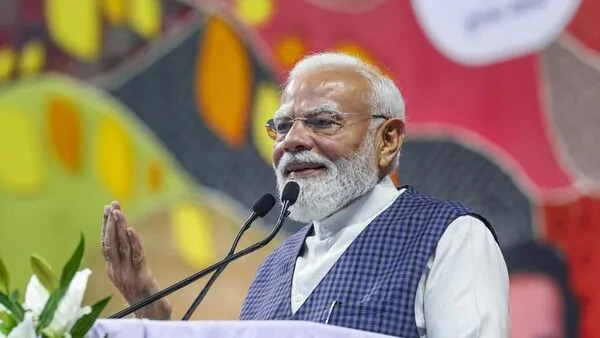
By Prime Minister Narendra Modi on June 10 achieved a major political milestone by becoming India’s longest-serving elected Prime Minister in continuous office, surpassing Jawaharlal Nehru’s record of 4,398 consecutive days. As the NDA government completes 12 years at the Centre, one of its most significant areas of focus has been the overhaul of India’s taxation and compliance framework.
Over the past decade, the government has pushed a series of reforms aimed at making taxation simpler, more transparent, and technology-driven. From introducing a new income tax regime to streamlining GST and digitising tax processes, the changes have impacted millions of salaried employees, businesses, investors, and consumers across the country.
One of the biggest reforms has been the introduction of the new tax regime, offering taxpayers lower tax rates with fewer exemptions. Over successive Union Budgets, the government expanded relief measures, allowing individuals with annual income up to ₹12 lakh to benefit from reduced tax liabilities under the revised structure.
The Centre also notified the new Income-Tax Rules, 2026, which significantly simplified tax administration. The number of tax rules and forms was reduced, while digital features such as pre-filled information and simplified formats were introduced to make filing returns easier and less time-consuming.
Another landmark step was the implementation and subsequent rationalisation of the Goods and Services Tax (GST). The government gradually simplified the GST structure and reduced rates on several products. Industry groups have often credited these measures with improving compliance and creating a more unified national market.
The past few years have also seen targeted tax benefits for salaried employees. House Rent Allowance (HRA) exemptions were expanded to include more cities, while education and hostel allowances for children received substantial increases. Corporate benefits, including meal cards and gift vouchers under specified limits, continued to enjoy tax advantages under the old regime.
At the same time, the government introduced changes in financial market taxation. Securities Transaction Tax (STT) rates on futures and options trading were revised, while buyback taxation norms were tightened to bring greater clarity and consistency to the treatment of shareholder gains.
Tax Collected at Source (TCS) provisions were also rationalised. Lower rates for overseas education and medical remittances were introduced, while compliance requirements were simplified to reduce refund-related delays and confusion among taxpayers.
As India’s economy continues to expand, the Modi government has positioned tax reform as a key pillar of governance. Supporters argue that the focus on digitalisation, transparency, and ease of compliance has modernised a system that was once viewed as complex and cumbersome. With the government entering its third term, further reforms are expected to remain high on the policy agenda.