
 By
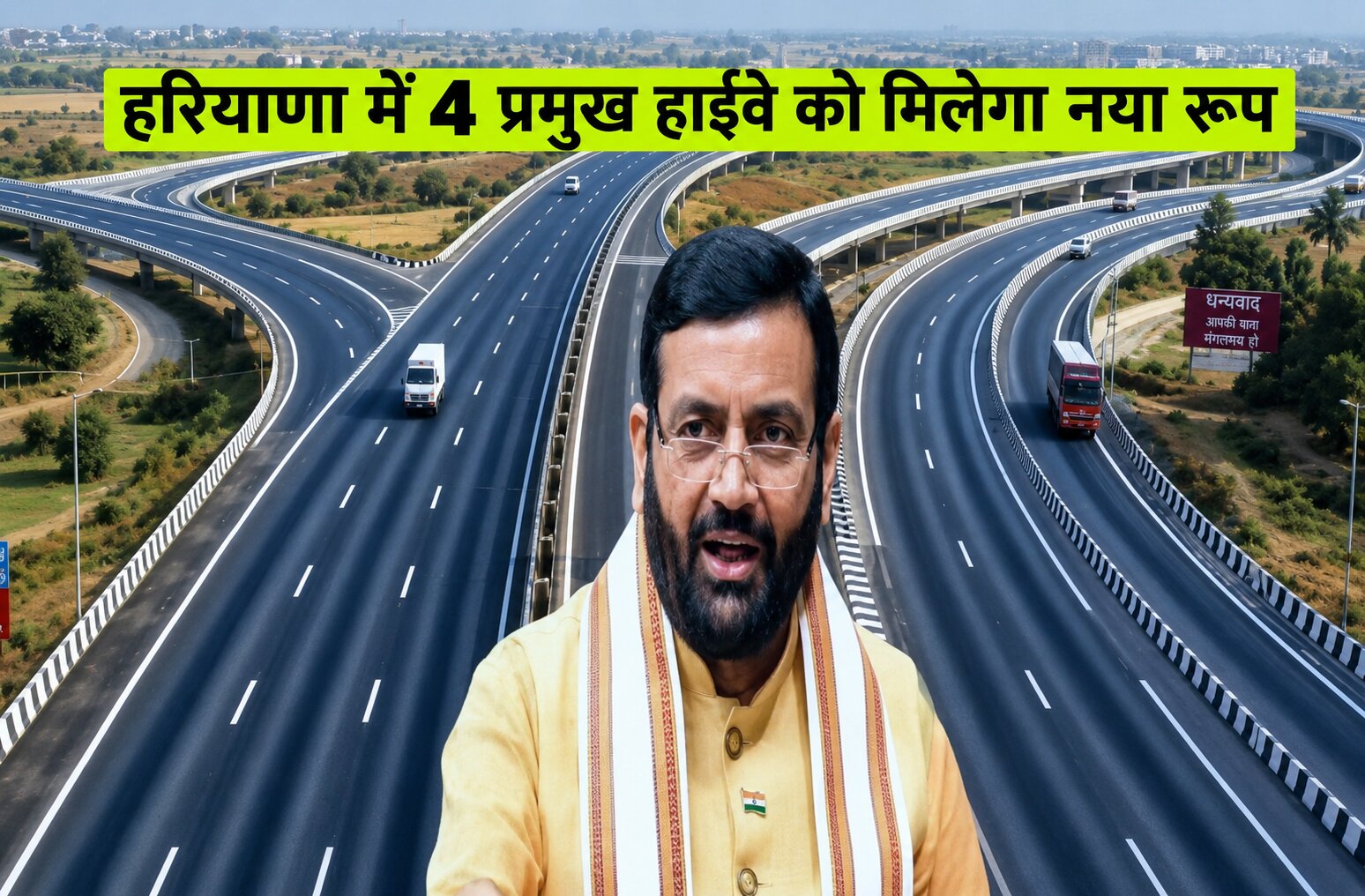
By Haryana is set to witness a major upgrade in its road infrastructure as the Public Works Department (PWD) has begun work on transforming four important highways into model roads. The initiative is aimed at creating safer, smoother, and more efficient travel corridors while improving connectivity between towns and districts across the state.
The project goes beyond routine road repairs. Officials say the selected routes will be developed as benchmark corridors with a focus on traffic management, road safety, modern amenities, and overall commuter convenience. The move is expected to ease congestion on busy stretches and reduce the risk of accidents, offering relief to thousands of daily travelers.
According to officials, the roads identified under the project include the Panipat-Safidon-Jind-Bhiwani route, the Gohana-Khanpur Kalan road in Sonipat district, the Gharaunda-Furlak road in Karnal, and the Old Bypass Road in Kaithal. These routes are considered strategically important as they connect major population centers, educational institutions, industrial areas, and agricultural markets.
The state government plans to introduce several modern features along these highways. Improved street lighting systems will be installed to enhance visibility and safety during night travel. Authorities also intend to develop standardized zebra crossings at key locations to encourage safer pedestrian movement and improve compliance with traffic regulations.
Officials believe that these changes will help create a more organized traffic environment while addressing long-standing issues such as poor visibility, unsafe crossings, and bottlenecks at busy intersections. Better road design and traffic management measures are also expected to contribute to a reduction in road accidents.
A senior PWD official from Panipat said the upgraded corridors would offer a more comfortable travel experience for commuters. The development of model roads is expected to shorten travel time, improve road quality, and strengthen transportation links between urban and rural areas.
Beyond improving mobility, the project is also expected to provide an economic boost. Enhanced road connectivity often attracts business activity, improves access to markets, and facilitates faster movement of goods and services. Local traders, transport operators, and industries along these routes are likely to benefit from improved infrastructure.
The initiative reflects Haryana’s broader push to modernize its transport network and support regional development through better infrastructure. As work progresses, residents and travelers are hopeful that the model road concept will set a new standard for highway development in the state and help eliminate the traffic snarls that have troubled commuters for years.
If successfully implemented, the project could become a template for similar road upgrades across Haryana, combining safety, efficiency, and aesthetics in a way that transforms everyday travel.