 By
By Rashtriya Swayamsevak Sangh (RSS) chief Mohan Bhagwat has said that despite being regarded as the world’s largest voluntary organisation, the RSS continues to face widespread misconceptions, leading many people to form opinions about it without fully understanding its work.
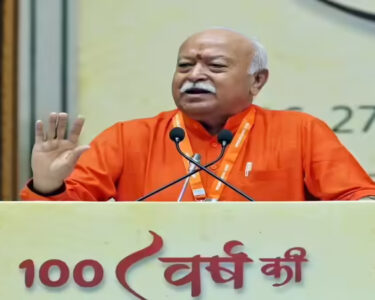
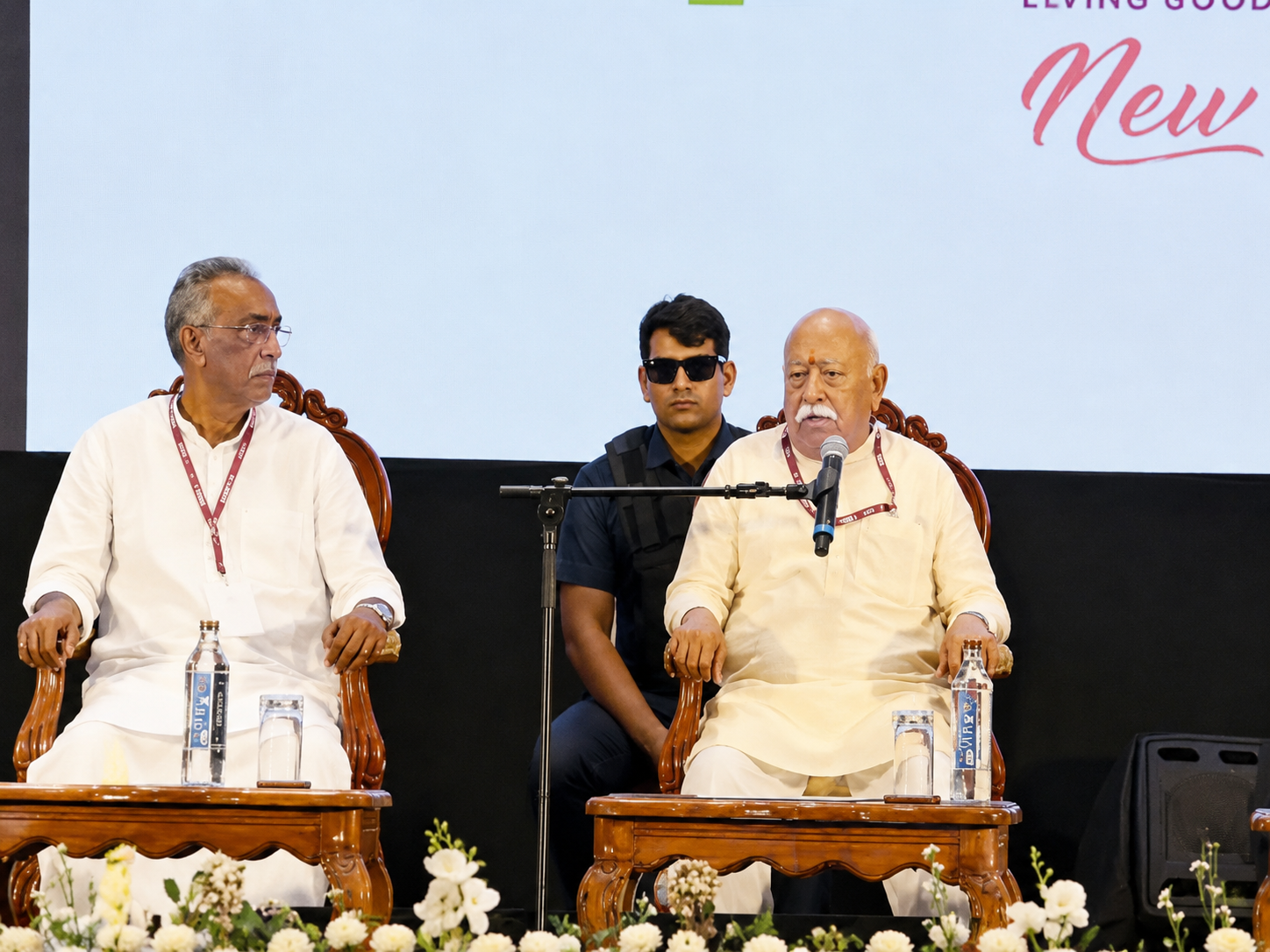
Speaking at the “100 Years of Sangh Journey – New Horizons” programme in Kerala’s Thrissur, Bhagwat used the platform to address what he described as long-standing misunderstandings surrounding the organisation. As the RSS enters its centenary year, he said the Sangh wants to engage more openly with society and encourage people to evaluate its work firsthand rather than relying on assumptions.
According to Bhagwat, public perception of the RSS is often shaped by limited exposure or incomplete information. He noted that while many misconceptions have faded over the years, some doubts and apprehensions continue to exist. He urged people not to accept or reject the organisation based solely on hearsay.
“The Sangh should be understood through experience,” he suggested, adding that individuals are free to examine its activities and decide for themselves whether they agree with its approach. Bhagwat maintained that the organisation has nothing to hide and welcomes scrutiny from those interested in learning more about its functioning and objectives.
Reflecting on the RSS’s growth over the decades, he said that organisations often get viewed through the lens of specific events or political contexts. While such perspectives may explain certain moments in history, they do not necessarily reveal the enduring character or core purpose of an institution. To understand any organisation, he argued, one must look beyond temporary circumstances and focus on its long-term values and work.
Bhagwat also claimed that some of the apprehensions surrounding the RSS stem from deliberate campaigns by groups that see the organisation’s expanding influence as a challenge to their own goals. According to him, such narratives have contributed to a distorted image of the Sangh in certain sections of society.
Without naming any particular group, he said there are individuals and organisations that fear the RSS’s growing reach and public acceptance. As a result, he alleged, negative perceptions have sometimes been amplified through misinformation and selective criticism.
The RSS chief emphasized that the centenary year is not only a moment of celebration but also an opportunity to foster greater understanding about the organisation’s role, ideology, and social initiatives. He said the objective is to create dialogue and allow people to form their own judgments based on direct knowledge rather than preconceived notions.
Bhagwat’s remarks come at a time when the RSS is conducting outreach programmes across the country to mark 100 years of its existence, highlighting its history, social work, and vision for the future.