

 By
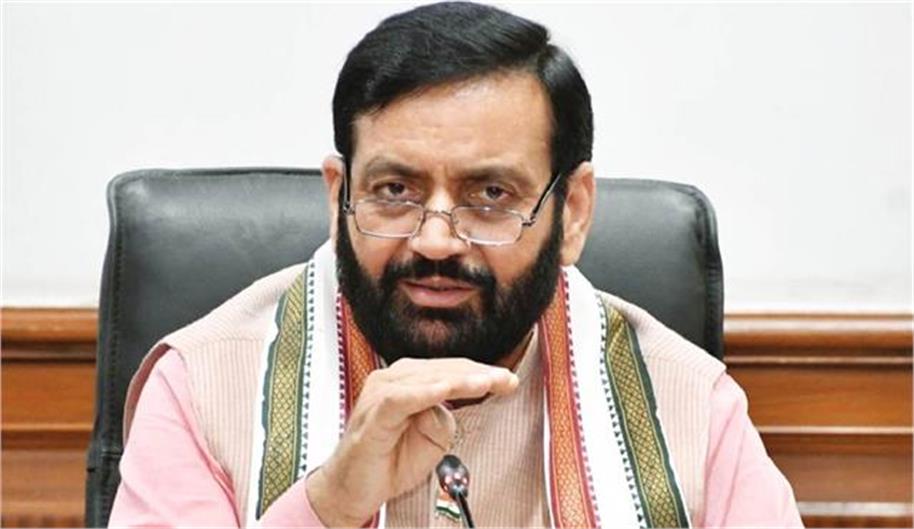
By Haryana has received a major boost for its long-term water management efforts, with the World Bank approving a ₹4,000 crore loan for the state’s flagship water conservation initiative. Chief Minister Nayab Singh Saini announced the approval on Saturday, describing it as a significant step toward strengthening water security and ensuring sustainable resource management across the state.
The project, titled “Jal Sanrakshit Haryana”, is expected to transform the way water resources are managed in both urban and rural areas. With a total estimated cost of ₹5,714 crore, the programme will be implemented in phases between 2026 and 2032, focusing on conservation, efficient usage, and improved monitoring of water resources.
Chairing a high-level review meeting with senior officials, the Chief Minister emphasized the growing need for a comprehensive strategy to tackle water-related challenges. He directed departments to work in coordination and develop an integrated plan that not only conserves water but also ensures its effective distribution and long-term sustainability.
The large-scale programme will cover 15 clusters spread across nearly 48.94 lakh acres, making it one of the most extensive water conservation initiatives undertaken by the state. Officials believe the project will play a key role in addressing issues such as groundwater depletion, inefficient water use, and the increasing pressure on existing water resources caused by population growth and agricultural demand.
Saini stressed the importance of maximizing the use of treated wastewater, which can significantly reduce dependence on fresh water sources. He also called for measures to ensure that every drop of water is utilized efficiently, especially in regions facing recurring water stress.
A major component of the project will be the creation of a digital monitoring system designed to track water availability, consumption patterns, and resource management in real time. The technology-driven approach is expected to help policymakers make informed decisions and improve transparency in water governance.
The Chief Minister also highlighted the role of local communities in ensuring the success of the programme. Village-level water committees will be formed and actively involved in the development, maintenance, and monitoring of water channels and related infrastructure. By encouraging community participation, the government aims to create a sense of ownership and ensure sustainable outcomes at the grassroots level.
Officials said the project aligns with Haryana’s broader goal of building climate resilience and securing water resources for future generations. With financial support from the World Bank and a strong focus on technology, conservation, and community engagement, the initiative is expected to become a model for water management in other parts of the country.
As implementation begins in the coming years, the state government hopes the programme will not only improve water availability but also support agriculture, rural livelihoods, and long-term environmental sustainability.