
 By
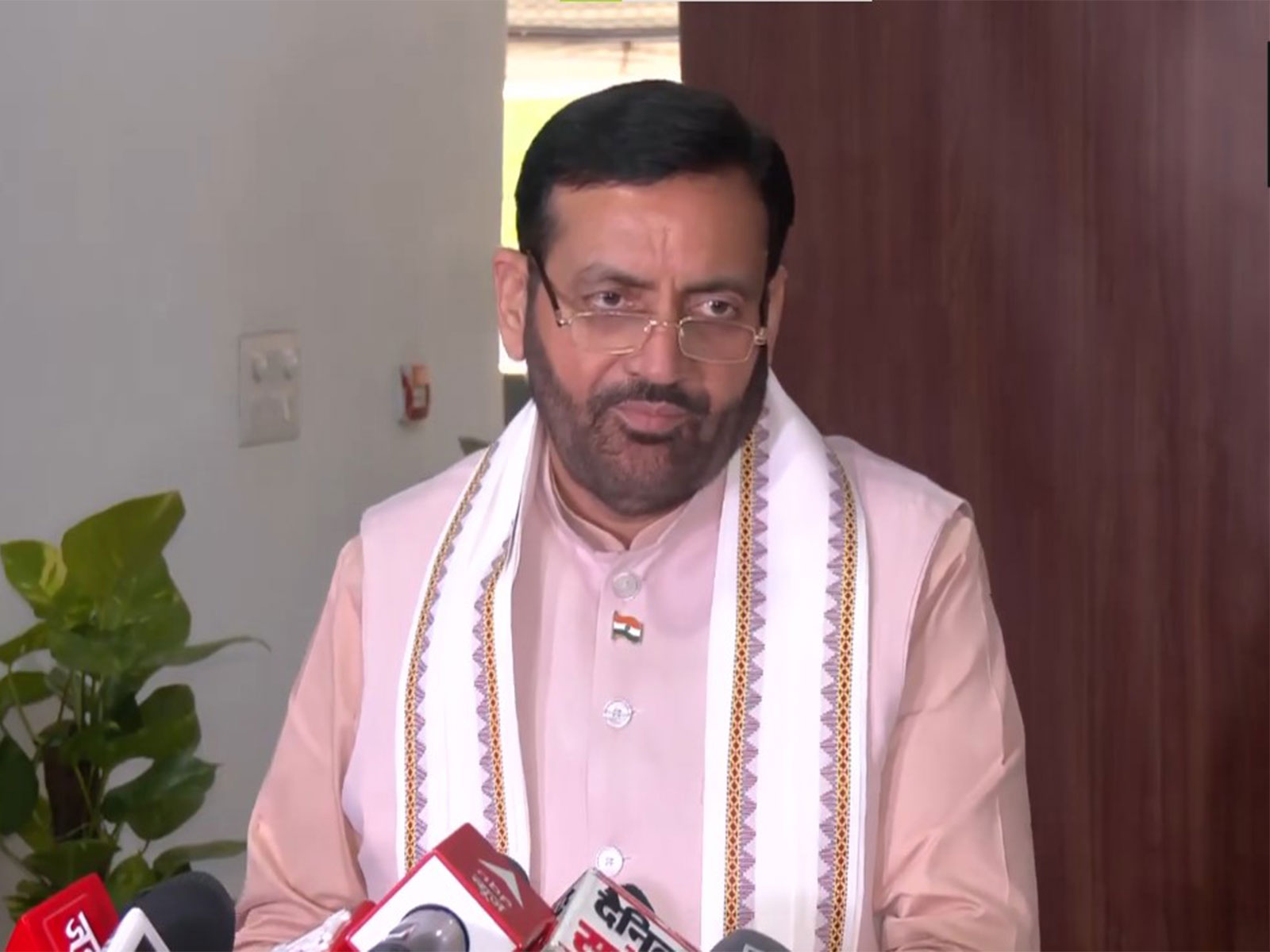
By Haryana Chief Minister Nayab Singh Saini has sent a clear message to the state administration: complaints related to drinking water will no longer be tolerated. Chairing the 59th meeting of the Haryana Water Supply and Sewerage Board, the Chief Minister announced a series of measures aimed at improving water supply, sewerage management and sanitation infrastructure across the state.
Emphasising that access to clean drinking water is a basic responsibility of the government, Saini said citizens should receive the same prompt service for water-related issues as they do for electricity complaints. He warned that strict action would be taken against officials if negligence leads to disruptions in water supply or public grievances.
The Chief Minister directed authorities to establish a dedicated toll-free helpline for water-related complaints and ensure quick resolution of issues. He also ordered the replacement of ageing and damaged water pipelines to prevent contamination and improve supply efficiency. Officials informed the meeting that nearly 1,245 kilometres of old pipeline network will be replaced under the upcoming infrastructure upgrade.
Saini further stressed the need to modernise water transportation systems by shifting from open-channel conveyance to pipeline-based delivery wherever feasible. He instructed departments to conduct surveys and prepare proposals for such projects, which could help reduce water losses and improve quality.
The meeting also focused heavily on sewerage management. The Chief Minister directed officials to address overflowing drains, damaged sewer covers and untreated wastewater discharge on a priority basis. He called for a separate action plan to prevent polluted water from entering the Ghaggar River, similar to ongoing efforts to protect the Yamuna.
In another significant move, Saini proposed the installation of solar power plants at water works facilities to reduce operational costs and promote sustainable energy use. He also sought detailed assessments of sewerage systems in villages covered under the Mahagram Scheme to ensure proper wastewater disposal and sanitation standards.
The government plans to conduct surveys in slum settlements and newly developed residential colonies to ensure access to safe drinking water. Ahead of the monsoon season, the Chief Minister directed all urban local bodies to complete comprehensive cleaning of sewer networks to prevent waterlogging and public health concerns.
To strengthen monitoring, Saini proposed the formation of a multi-departmental task force comprising officials from public health, drainage, development authorities, panchayats and urban planning agencies. The committee will assess water quality, sewage treatment plant performance and environmental compliance before submitting recommendations to the government.
Special strategies will also be prepared to improve water availability in Panchkula, Rohtak, Charkhi Dadri and Hansi. Additional water infrastructure is being planned for Pinjore, Morni and Kalka, while efforts will be made to enhance the storage capacity of Kaushalya Dam to capture more rainwater during the monsoon.
The board also approved an ambitious infrastructure roadmap for 2026-27. Under the plan, 712 new drinking water improvement projects for rural and urban areas have been sanctioned at a cost of ₹2,534.39 crore. Officials said the investment is expected to significantly strengthen Haryana’s water supply and sanitation network, benefiting millions of residents across the state.