
 By
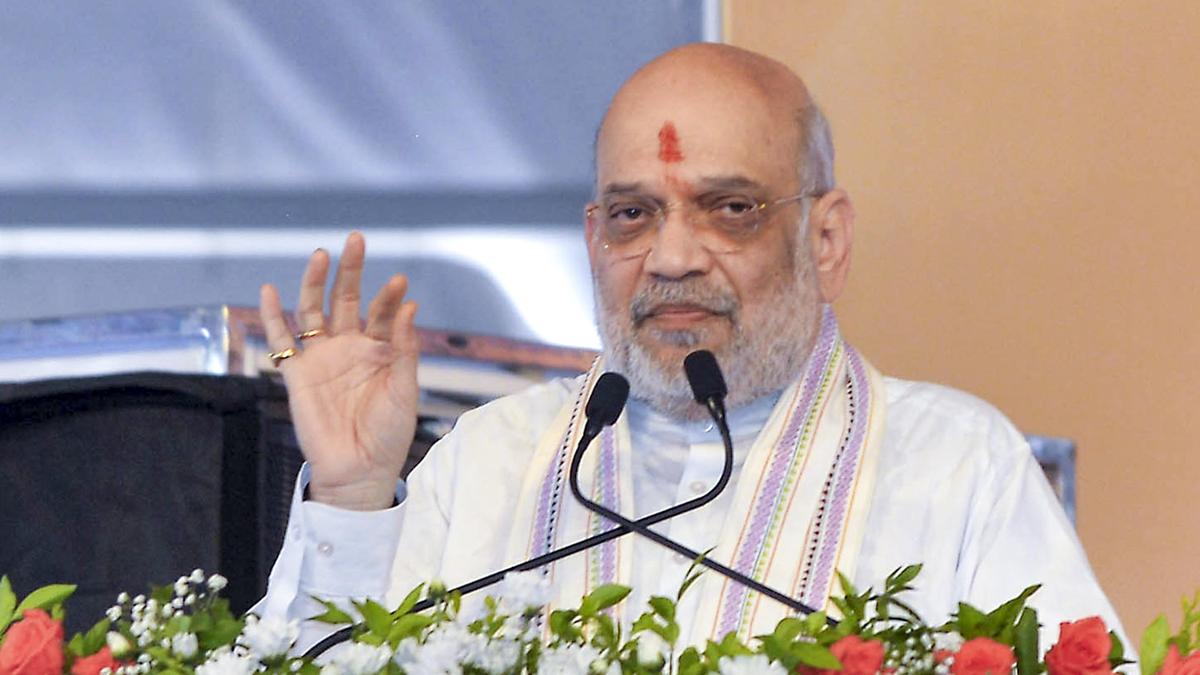
By The Centre has intensified its efforts to strengthen farmers’ incomes and reduce India’s dependence on imported edible oils and pulses. On Tuesday, Union Cooperation Minister Amit Shah called for a major shift in the procurement system, directing cooperative bodies to purchase produce directly from farmers instead of relying on intermediaries.
The move comes amid growing concerns that despite higher production of pulses and oilseeds in recent years, many farmers are still unable to receive the full benefits of government support prices. Shah emphasized that unless growers receive fair returns for their produce, achieving self-sufficiency in these critical agricultural commodities will remain a challenge.
Speaking at an event marking the launch of four new initiatives by the National Agricultural Cooperative Marketing Federation (NAFED), including the digital auction platform Nafex.in, Shah said cooperatives must become a stronger bridge between farmers and markets. He urged both NAFED and the National Cooperative Consumers’ Federation (NCCF) to create a procurement system that ensures farmers can sell their crops directly without the involvement of middlemen.
According to Shah, direct procurement will not only help farmers secure better prices but also bring greater transparency and efficiency to the agricultural marketing process. He noted that government efforts to boost cultivation of pulses and oilseeds have delivered encouraging results, with production increasing across several states. However, the benefits have not fully reached farmers due to gaps in procurement and marketing channels.
The Cooperation Minister stressed that India cannot achieve true self-reliance in pulses and edible oils solely by increasing production. Ensuring that farmers receive minimum support prices in a timely and transparent manner is equally important. If farmers are confident about receiving fair compensation, they will be more willing to expand cultivation of these crops, he said.
The launch of Nafex.in is being viewed as a step towards modernising agricultural trade. The platform is designed to facilitate digital auctions, improve market access and create a more transparent mechanism for price discovery. Officials believe such technology-driven initiatives can help reduce inefficiencies in the supply chain while improving returns for producers.
Shah also highlighted the broader role of the cooperative sector in transforming rural economies. He said cooperatives should not remain limited to traditional activities but should actively participate in procurement, storage, processing and marketing to ensure greater value reaches farmers.
The government’s renewed focus on direct procurement comes at a time when India continues to spend significant resources on importing pulses and edible oils to meet domestic demand. Policymakers believe that a stronger cooperative procurement network could play a key role in reducing that dependence while simultaneously improving rural incomes.
With new digital tools and an expanded role for cooperatives, the Centre hopes to create a more farmer-centric agricultural marketing system that rewards producers and strengthens the country’s food security goals.