 By
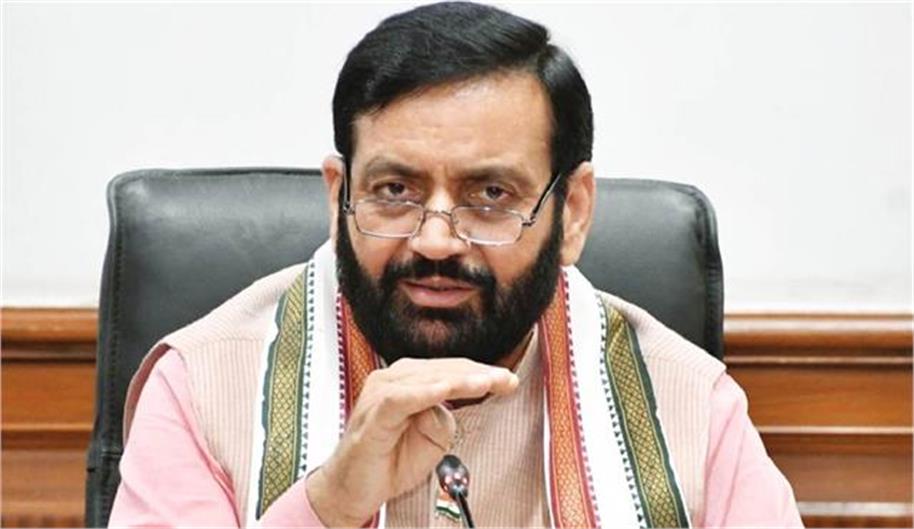
By Haryana Chief Minister Nayab Singh Saini has asked BJP workers to rethink how they engage with the younger generation, with a clear emphasis on listening before responding. His message to the organisation is straightforward: avoid confrontation with Gen Z, understand their concerns first and then put forward the government’s or party’s perspective.
The approach comes amid growing political and social participation among young people, particularly through digital platforms. The recent developments surrounding student protests at Jantar Mantar have also brought the question of how political organisations communicate with younger audiences into sharper focus. Saini’s emphasis, however, is on turning such moments into opportunities for dialogue rather than confrontation.
Saini’s ‘listen first’ approach
The Chief Minister has suggested an 80:20 approach while interacting with young people—spending around 80 per cent of the conversation listening to them and the remaining 20 per cent putting forward their own views.
The idea is to give young people enough space to explain their concerns, expectations and disagreements without immediately trying to correct or contradict them. According to this approach, a political worker should first understand what is driving a young person’s opinion before attempting to explain government policies or the party’s position.
The strategy could also give the organisation a better understanding of issues that matter to young people, including employment, education, competitive examinations, technology, sports, entrepreneurship and changing social expectations.
Focus on direct contact with young people
Saini has also emphasised taking the youth outreach programme beyond conventional political meetings and social media campaigns. BJP workers have been encouraged to reach out to young people at their homes and engage with them in a more informal setting.
The focus, according to the strategy, is not simply on political messaging. Workers are expected to listen to young people’s experiences and concerns and communicate their feedback to the organisation. This would make the exercise more of a two-way conversation rather than a conventional campaign in which political workers primarily communicate their own message.
Jantar Mantar episode adds urgency to youth outreach
The recent events at Jantar Mantar have added to the discussion within political circles about the changing nature of youth engagement. Today’s younger generation is quick to express its views and can amplify an issue within minutes through social media.
Against this backdrop, Saini has stressed the need for patience when dealing with disagreements. If a young person holds a view that differs from the BJP’s position, workers have been encouraged to hear them out first and then respond through facts and reasoned discussion.
The broader objective is to prevent political disagreements from becoming personal confrontations and instead treat them as part of democratic engagement.
Young BJP team seen as an advantage
Saini has also highlighted the relatively young composition of the BJP’s new Haryana state team as an advantage in reaching Gen Z. A large number of state office-bearers are below the age of 55, which the Chief Minister believes could help the organisation better understand the communication styles and expectations of younger citizens.
The combination of experienced senior workers and younger office-bearers could provide the party with a wider outreach network, particularly when it comes to engaging with first-time voters and young professionals.
Professionals to play a role in youth outreach
The proposed outreach is not being restricted to traditional party workers. Saini has also encouraged BJP members from professional backgrounds—including academics, doctors, lawyers, traders and other sections of civil society—to use their existing social networks to connect with young people.
This could allow the party to engage with youth in educational institutions, professional circles and community networks rather than limiting interaction to party offices or political events.
From social media conversations to grassroots engagement
While social media remains an important space for reaching Gen Z, the strategy places greater emphasis on face-to-face interaction. The underlying idea is that online arguments can often become confrontational, while direct conversations provide greater scope for listening and understanding.
For the BJP organisation, the proposed approach could eventually translate into a more structured youth outreach programme at the grassroots level. Workers at the booth and local levels may be encouraged to maintain regular contact with young people rather than approaching them only during elections or after a major political development.
A long-term attempt to understand Gen Z
Saini’s approach reflects a broader attempt to engage with Gen Z beyond electoral calculations. Young people are likely to play an increasingly important role in Haryana’s social, economic and political landscape, while their priorities may differ from those of earlier generations.
Career flexibility, quality education, employment opportunities, technology, entrepreneurship, transparency and social recognition are among the issues that can shape their outlook.
The emphasis on “listen first, speak later” therefore represents more than a communication tactic. For the BJP in Haryana, it could become a longer-term effort to build trust with a generation that increasingly expects political organisations to hear its concerns rather than simply tell it what to think.