
 By
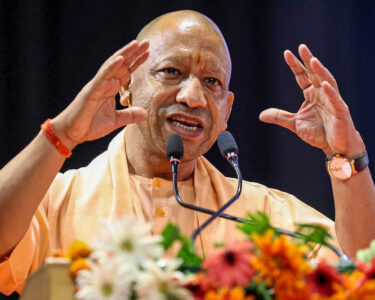
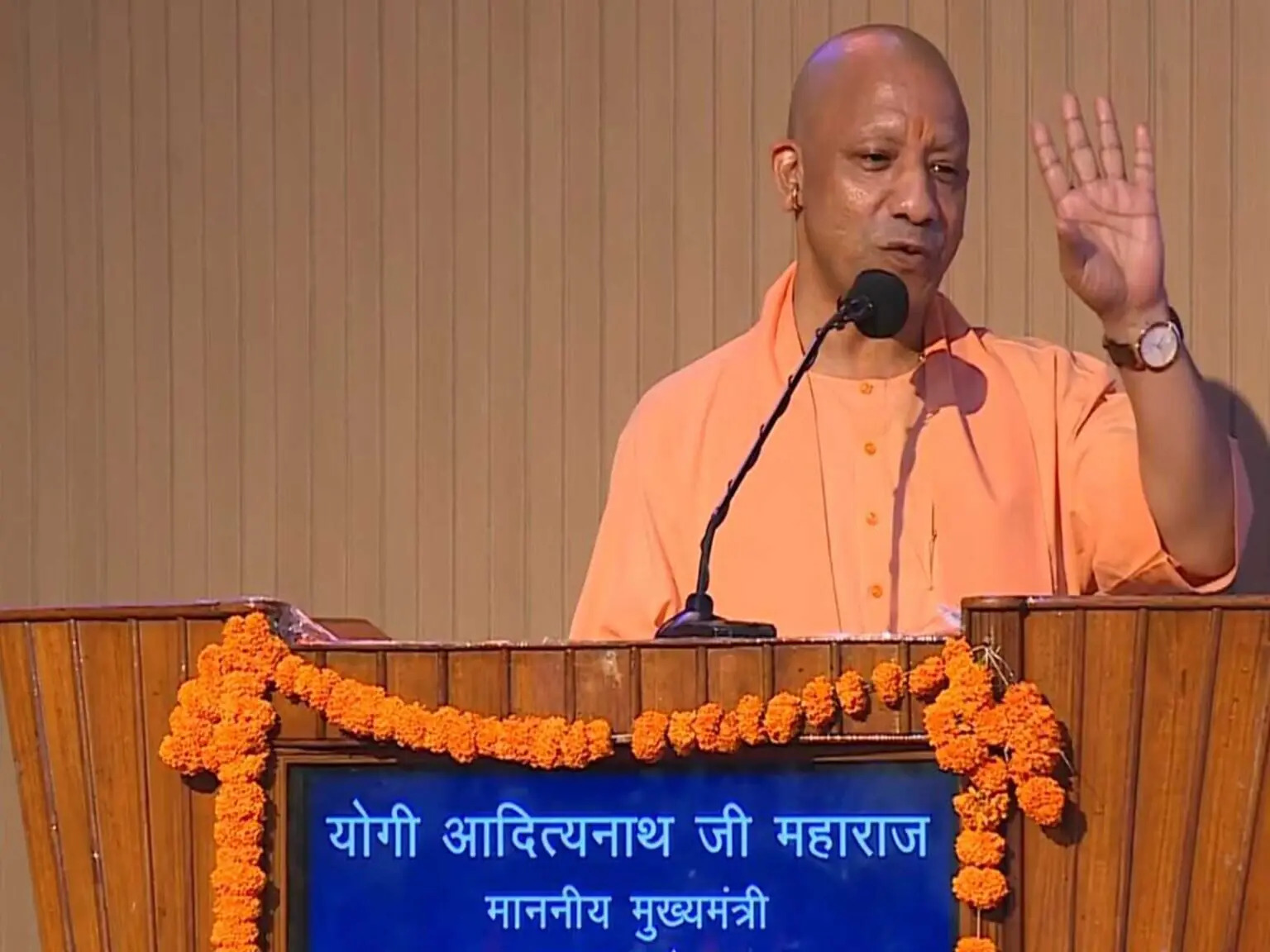
By Uttar Pradesh Chief Minister Yogi Adityanath has highlighted Ayodhya’s transformation over the past several years, pointing to improvements in roads, sanitation, water management and energy infrastructure. He said the city, which he described as lacking basic amenities when his government took office in 2017, has undergone a major change and has now emerged as the country’s leading solar city.
Speaking on Sunday, Yogi contrasted the present-day Ayodhya with the conditions he said existed before 2017. He recalled a city with inadequate roads, electricity and sanitation, while water stagnation around Ram Ki Paidi had been a persistent concern. According to the Chief Minister, the government subsequently focused on improving the city’s basic infrastructure while also developing it as an important religious and cultural destination.
Yogi recalls Ayodhya’s water and sanitation challenges
Referring to the condition of Ram Ki Paidi, Yogi said stagnant and polluted water had been a major problem before his government came to power.
He said the situation prompted questions about how the water system could be improved, particularly given Ayodhya’s location along the Saryu.
Yogi said measures were subsequently taken to improve the movement and management of water in the area. He described the Saryu as a continuously flowing river and said efforts were made to ensure that water around the important religious sites remained cleaner and did not stagnate.
The Chief Minister used the example to underline what he described as the wider physical transformation of Ayodhya.
From narrow lanes to wider road connectivity
Yogi said the city’s infrastructure has changed considerably, with several areas receiving improved road connectivity.
He contrasted the narrow and damaged roads he recalled from the past with the wider four-lane roads now connecting different parts of Ayodhya.
The government has also focused on developing public spaces and strengthening the city’s religious and cultural identity. Yogi pointed to the establishment of temples and statues dedicated to revered saints as part of the transformation.
He said the visual character of Ayodhya had also changed, contrasting the earlier conditions with a city now illuminated during religious and cultural celebrations.
“Where there was once filth, today Ayodhya glows with the light of countless lamps,” Yogi said while describing the change.
Ayodhya’s solar push becomes a key part of transformation
Yogi also placed particular emphasis on Ayodhya’s progress in renewable energy.
He said the city, which he described as having once struggled with inadequate electricity and basic infrastructure, has now become “the country’s number one solar city.”
The solar development has added an environmental dimension to the broader redevelopment of Ayodhya, alongside road construction, sanitation and other infrastructure projects.
Yogi presented the shift as an example of how a religious city can combine heritage and modern infrastructure while developing new public amenities.
Yogi targets opposition over constitutional institutions
During his remarks, the Chief Minister also turned to political issues, criticising the Congress, Samajwadi Party and Rashtriya Janata Dal.
Yogi accused opposition parties of undermining constitutional institutions for political purposes and called for action against what he described as irresponsible statements concerning key democratic bodies.
He also criticised opposition protests against the Special Intensive Revision (SIR) exercise, alleging that the campaign was intended to weaken constitutional institutions and democratic processes for political advantage.
These remarks come ahead of the 2027 Uttar Pradesh Assembly elections, adding a political dimension to Yogi’s account of Ayodhya’s development.
Ayodhya remains politically significant
Ayodhya has remained an important political constituency in Uttar Pradesh. In the 2022 Assembly election, BJP candidate Ved Prakash won the Ayodhya seat by 19,990 votes over his Samajwadi Party rival.
However, the political picture changed in the 2024 Lok Sabha election. The BJP lost the Faizabad parliamentary constituency, which includes Ayodhya, with Samajwadi Party candidate Awadhesh Prasad winning by a margin of 54,567 votes.
Against this backdrop, Yogi’s emphasis on Ayodhya’s infrastructure, sanitation, connectivity and solar development also comes as the BJP-led alliance prepares for the next Assembly election.
For the state government, Ayodhya’s redevelopment has increasingly been presented not only as a religious and cultural project but also as an example of urban infrastructure and renewable-energy development.