 By
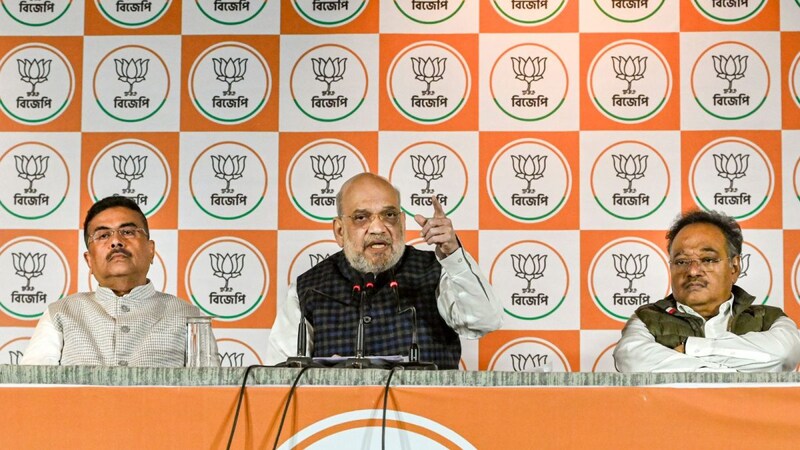
By The Bharatiya Janata Party’s first list of candidates for the upcoming West Bengal Assembly elections reveals more than just names—it signals a clear shift in strategy. While prominent leaders like Suvendu Adhikari and Dilip Ghosh feature prominently, the bigger story lies in the party’s renewed focus on grassroots workers over high-profile entrants.
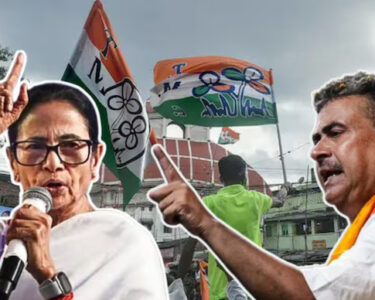
One of the headline decisions is Adhikari contesting from Bhabanipur, a constituency closely associated with Chief Minister Mamata Banerjee. The move sets the stage for a high-stakes political contest and underlines the BJP’s intent to challenge the Trinamool Congress on its home turf. But beyond such headline battles, the party appears to be recalibrating how it selects candidates.
Unlike the 2021 Assembly elections, where the BJP fielded several celebrities and political defectors, this time the party has largely avoided that route. The shift seems deliberate. Many of those who switched sides earlier distanced themselves after the election, leaving the party wary of relying too heavily on newcomers without deep organisational roots.
Instead, the current list gives prominence to leaders who have spent years building the party at the ground level. These are individuals whose political journeys have evolved through local engagement rather than sudden prominence.
Take the case of Kalita Maji, a candidate from Ausgram. A domestic worker by profession, Maji has been associated with the BJP for years and has steadily built her presence in the constituency. Despite losing the 2021 election, she secured a significant share of votes, establishing herself as a credible local face. Her re-nomination reflects the party’s attempt to reward persistence and grassroots connect.
A similar story can be seen in Chandana Bauri, whose journey from working as a house help to becoming an MLA from Saltora has drawn attention. Since her 2021 victory, Bauri has focused on local development—improving roads, expanding access to drinking water and installing solar lighting in rural areas. By fielding her again, the BJP is banking on candidates who have demonstrated tangible work on the ground.
Another example is Tarun Kanti Ghosh, a long-time party worker from Deganga. Starting out as a local organiser, Ghosh gradually rose through the ranks, serving in panchayat roles and later taking on organisational responsibilities within the party. His candidature reflects the BJP’s attempt to bring its behind-the-scenes workers to the forefront.
Party insiders say this approach is aimed at strengthening long-term organisational stability. Leaders who have built connections at the local level are seen as more reliable, especially in a politically competitive state like West Bengal, where voter loyalty often hinges on personal outreach and consistent presence.
With this candidate list, the BJP appears to be sending a clear message: electoral success will not just depend on big names, but on the strength of its cadre network. As campaigning gathers pace, this shift could play a crucial role in shaping the party’s prospects in the state.