
 By
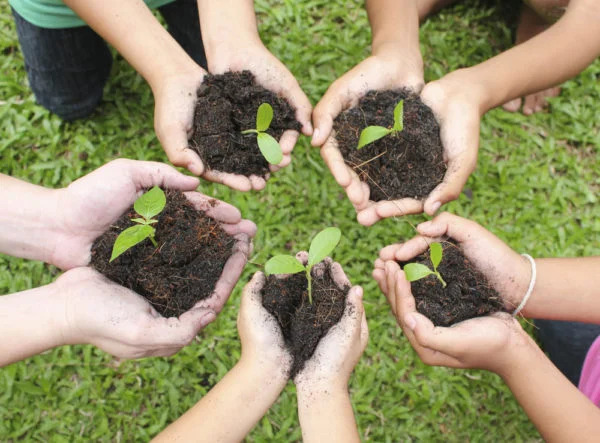
By Delhi has crossed its plantation target for the 2026-27 season, with government agencies and institutions collectively planting 7.1 million saplings against the target of 7.07 million, according to data released by the Delhi government on Friday. Chief Minister Rekha Gupta said the achievement should now lead to a bigger challenge — ensuring that the newly planted saplings survive and grow.
The plantation campaign was launched on July 7 during Van Mahotsav, with participation from government departments, civic agencies, educational institutions, resident welfare associations, NGOs and citizens. Gupta said meeting the numerical target was only the first step and that the focus would now shift towards protecting and nurturing the plants to improve Delhi’s green cover and climate resilience.
“Achieving the target of 7 million saplings is not the end of the campaign, but the beginning of a sustained effort to make Delhi greener, more climate-resilient and healthier,” Gupta said.
Forest department leads plantation drive
The Department of Forests and Wildlife recorded the highest number of plantations, planting around 3.2 million saplings against its target of 2.7 million.
The Delhi Development Authority (DDA) planted about 2.01 million saplings against a target of 2.34 million, while the New Delhi Municipal Council (NDMC) planted 580,000 saplings, exceeding its target of 500,000.
The Delhi Cantonment Board reported 89,050 plantations against a target of 15,050. The Delhi Jal Board planted 34,006 saplings against its target of 20,600.
The Municipal Corporation of Delhi (MCD) planted around 340,000 saplings against a target of 500,000.
According to the government, about 2.49 million saplings were planted across the Central Ridge, DDA areas and South Ridge during the campaign.
Citizens take part through public booking system
The plantation drive also introduced a public slot-booking facility to encourage direct participation by Delhi residents.
The government said 189,116 plantation bookings were made through the system. Of these, 147,095 citizens participated in plantation activities involving around 356,986 saplings.
Government nurseries also distributed another 760,000 saplings as part of the campaign, allowing residents and institutions to contribute to the plantation effort independently.
Schools, colleges, resident welfare associations, NGOs and other public institutions were also involved in the campaign, expanding participation beyond government agencies.
Focus now turns to sapling survival
With the plantation target crossed, the Delhi government is shifting attention from the number of saplings planted to their long-term survival.
Gupta stressed that planting a sapling is only the beginning and called on citizens to take responsibility for the plants they planted or received through the campaign.
“Protecting every sapling planted in Delhi and helping it grow is as important as planting it,” she said.
Environment Minister Manjinder Singh Sirsa said the next phase would focus on protecting, nurturing and improving the survival rate of the saplings planted during the drive.
The government’s next challenge, therefore, will be to ensure that the 7.1 million plantations translate into lasting green cover rather than remaining only a campaign figure. The emphasis on maintenance and survival is expected to determine the long-term environmental impact of the 2026-27 plantation programme.