 By
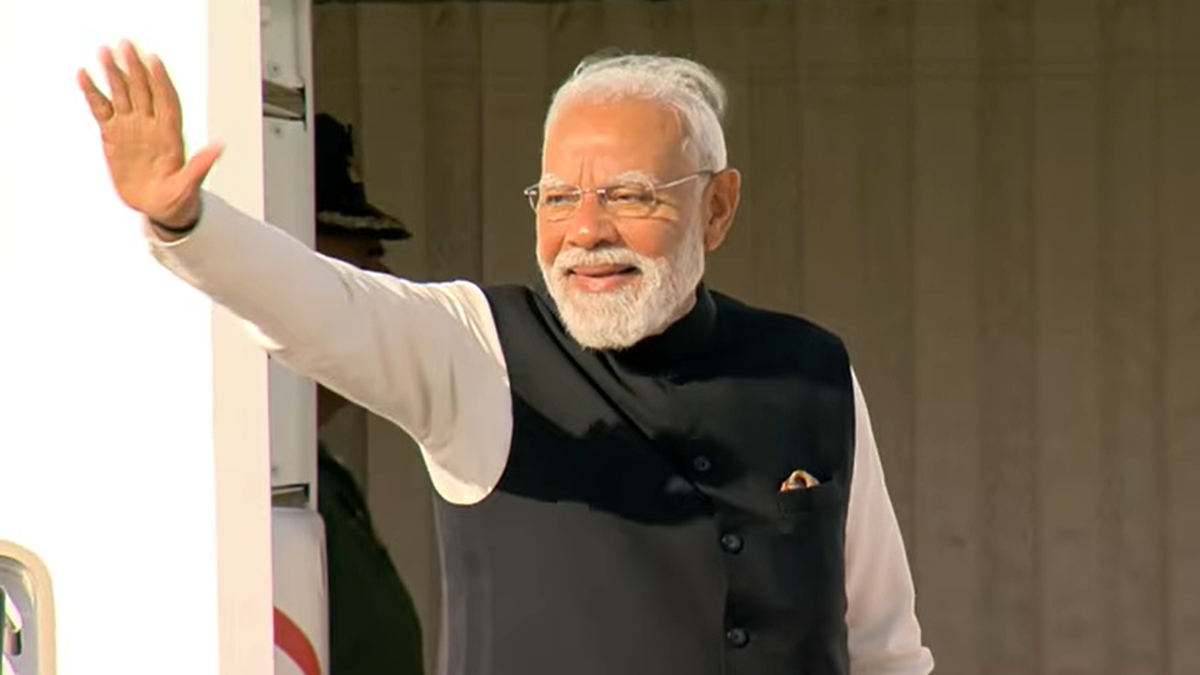
By India’s digital payments revolution is set to travel westward. During his State visit to Israel, Prime Minister Narendra Modi announced that an agreement has been reached to enable the use of India’s Unified Payments Interface (UPI) in Israel — a move that signals growing technological and financial integration between the two nations.
The announcement came as India and Israel formally elevated their long-standing relationship to a “special strategic partnership,” adding new depth to cooperation that already spans defence, agriculture and innovation. The twin developments — digital payments integration and diplomatic upgrade — reflect an effort to align economic ambition with geopolitical trust.
Following wide-ranging talks with Israeli Prime Minister Benjamin Netanyahu, the two sides signed multiple agreements and memorandums of understanding covering artificial intelligence, cybersecurity, energy, agriculture, education and digital infrastructure. Officials described the discussions as forward-looking, with a strong focus on practical collaboration.
A key outcome of the visit was renewed commitment to conclude a mutually beneficial free trade agreement. Negotiators from both countries have been working to bridge gaps in market access and regulatory standards, and leaders signalled that political momentum would now accelerate the process. Bilateral trade has grown steadily over the past decade, but both governments believe it remains below potential.
The proposed UPI rollout in Israel marks a notable expansion of India’s digital public infrastructure abroad. UPI has transformed retail payments in India by enabling instant bank-to-bank transfers via mobile devices. Its introduction in Israel could facilitate smoother transactions for tourists, businesses and cross-border service providers, while also strengthening fintech cooperation.
Earlier in the day, Modi met Israeli President Isaac Herzog, who described the partnership as one rooted in shared democratic values and innovation-driven growth. Both leaders emphasised that collaboration in advanced technologies — particularly AI and cybersecurity — would shape the next phase of engagement.
Defence cooperation also featured prominently. India and Israel agreed to expand joint development and production of military hardware, with a focus on technology transfer and co-manufacturing. The framework aims to combine Israel’s innovation capabilities with India’s manufacturing scale.
At a broader level, Modi reiterated support for peace efforts in the region, stressing that humanitarian concerns must remain central amid ongoing tensions. By pairing strategic alignment with calls for stability, the visit underscored India’s attempt to balance principled diplomacy with pragmatic partnership.
With digital payments, trade negotiations and defence ties moving in parallel, the elevation to a special strategic partnership signals that India-Israel relations are entering a more integrated and institutionalised phase.