 By
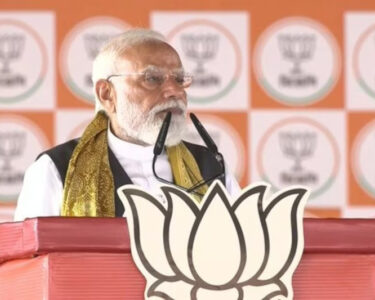
By In a fresh political push ahead of the upcoming Parliament session, Prime Minister Narendra Modi has reached out to leaders across party lines, urging them to back the early implementation of the women’s reservation law. The move signals the government’s intent to fast-track a long-pending reform and bring it into effect before the 2029 general elections.
In his letter to floor leaders of both Houses, Modi framed the issue as one that rises above party politics, calling it a “collective responsibility” towards women and future generations. The appeal comes at a time when the government is preparing to introduce key amendments to operationalise the quota, which proposes reserving one-third of seats in the Lok Sabha and state assemblies for women.
At the centre of the proposal is the Nari Shakti Vandan Adhiniyam, passed in 2023 but yet to be implemented. The government now wants to delink its rollout from the next Census cycle and instead base it on existing population data. This effectively advances the timeline, countering earlier expectations that the quota would only take effect after 2034.
However, the road ahead is not without hurdles. Since the changes require a constitutional amendment, the ruling party will need a two-thirds majority in Parliament—making opposition support crucial. Several opposition parties have already expressed reservations about altering the implementation timeline, arguing that it should follow the completion of the next Census and delimitation exercise.
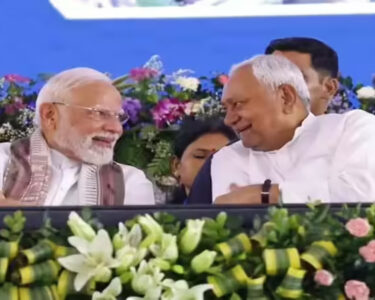
Modi, in his outreach, attempted to bridge this divide by reminding parties of the unanimous support the legislation received when it was first passed. He noted that leaders across the political spectrum had then agreed on the need for swift implementation, suggesting that the current moment offers a chance to turn intent into action.
The proposed changes could significantly reshape India’s political landscape. If cleared, the number of Lok Sabha seats is expected to rise from 543 to 816, with 273 reserved for women. The plan also extends reservation benefits to Union Territories with legislatures, including Delhi, Jammu & Kashmir, and Puducherry.
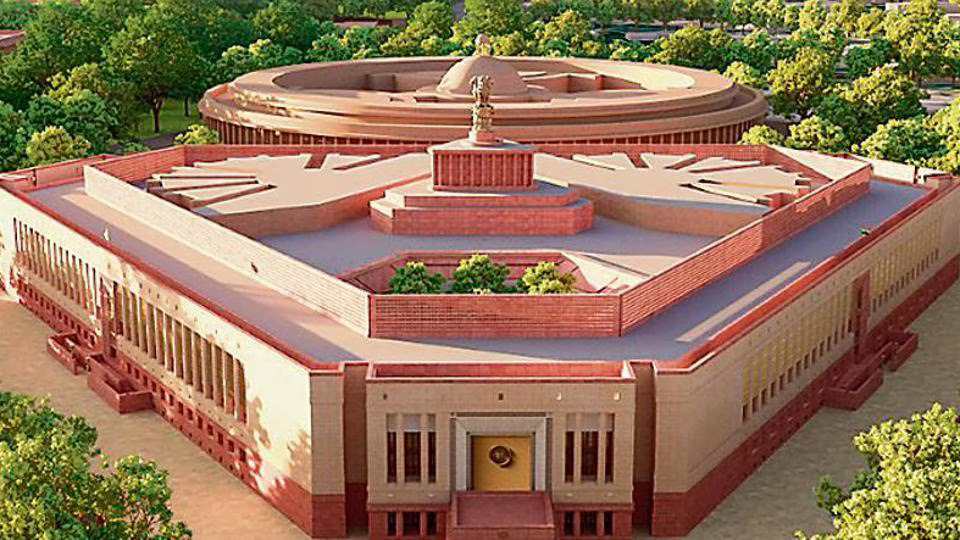
As Parliament prepares for a crucial session beginning April 16, the spotlight is now on whether political consensus can be forged on an issue that has long enjoyed broad support in principle but faced repeated delays in execution.