 By
By Prime Minister Narendra Modi’s upcoming stand-alone visit to Israel on February 25–26 comes at a moment when West Asia is on edge. While New Delhi describes the trip as a natural progression of deepening bilateral ties, the regional context — from Iran-Israel tensions to the war in Gaza — ensures that the visit will carry significance far beyond routine diplomacy.
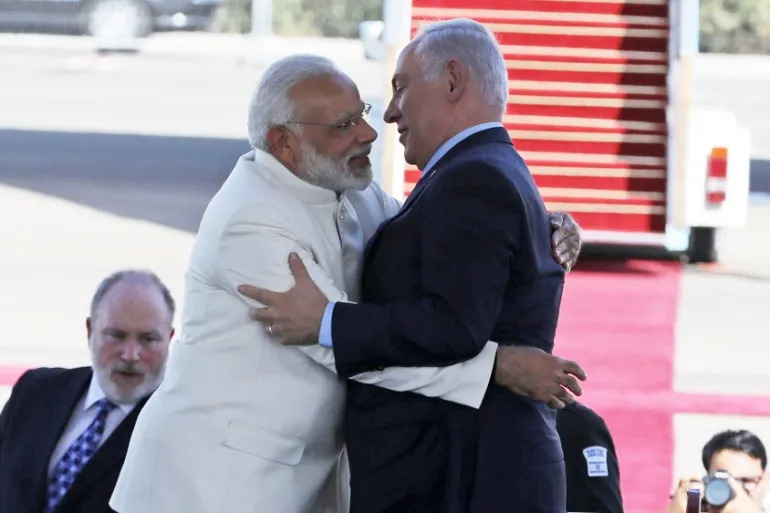
At the centre of the visit will be talks with Israeli Prime Minister Benjamin Netanyahu on defence cooperation, technology partnerships, artificial intelligence, labour mobility and the India-Middle East-Europe Economic Corridor (IMEC). Yet the symbolism of Modi standing alongside Netanyahu, particularly amid ongoing regional turmoil, may resonate as strongly as any formal agreements.
Much of the 24-hour itinerary underscores the personal rapport between the two leaders. Netanyahu is expected to receive Modi at Tel Aviv’s Ben Gurion Airport, echoing the optics of the Prime Minister’s landmark 2017 visit. The two will travel together to Jerusalem, hold delegation-level talks, and attend Modi’s address to the Knesset. Events also include a joint innovation programme, a visit to the Yad Vashem Holocaust memorial and an interaction with members of Israel’s Indian-origin Jewish community.
Also Read – From Quiet Ties to Open Embrace: How Modi Recast India’s Israel Policy — and Redefined Its Palestine Stance
However, geopolitical undercurrents are difficult to ignore. Netanyahu has signalled his intent to push for a broader strategic alignment involving India, Greece and Cyprus, alongside unnamed Arab, African and Asian partners, aimed at countering what he termed “radical axes” in the region. Such rhetoric will likely be closely watched in Tehran, Ankara, Riyadh and Doha — capitals where India maintains important economic and strategic ties.
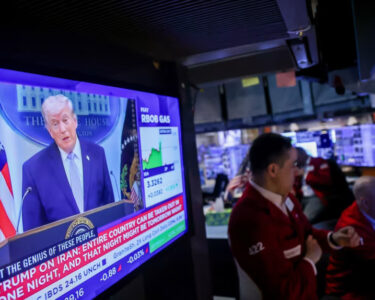
Complicating matters further are escalating U.S.-Iran tensions. With President Donald Trump reiterating warnings against Iran and U.S. forces repositioning in the region, the possibility of military flare-ups remains a concern. Although diplomatic channels between Washington and Tehran remain open, recent history shows that negotiations do not preclude sudden escalation. Indian officials have stated that the Prime Minister’s security will be fully ensured, but the optics of being in Israel during a potential Iran crisis would present a diplomatic tightrope.
India’s own ties with Iran add another layer of complexity. Once a major supplier of crude oil to India, Iran saw trade volumes drop sharply after New Delhi complied with U.S. sanctions. The strategic Chabahar port project has slowed, and a planned visit by Iran’s foreign minister earlier this year was postponed. With India scheduled to host the BRICS summit later this year — where Iran’s president is expected — maintaining diplomatic equilibrium will be crucial.
The Gaza war, now entering its third year, also looms large. Israel’s plans to expand control in parts of the West Bank have drawn criticism globally. India has reiterated its support for a two-state solution but has avoided sharp public rebukes of Israeli actions. Modi’s discussions on Gaza’s future governance and reconstruction, particularly in light of U.S.-backed initiatives, will be closely scrutinised.
Domestically, Netanyahu faces electoral pressures and debates over judicial reforms and security accountability. Modi’s Knesset speech may therefore acquire political overtones within Israel itself.
For India, the visit underscores its evolving “strategic autonomy” doctrine — engaging Israel, Arab states and Iran simultaneously. Yet as regional rivalries intensify, sustaining that balance may prove increasingly challenging.