 By
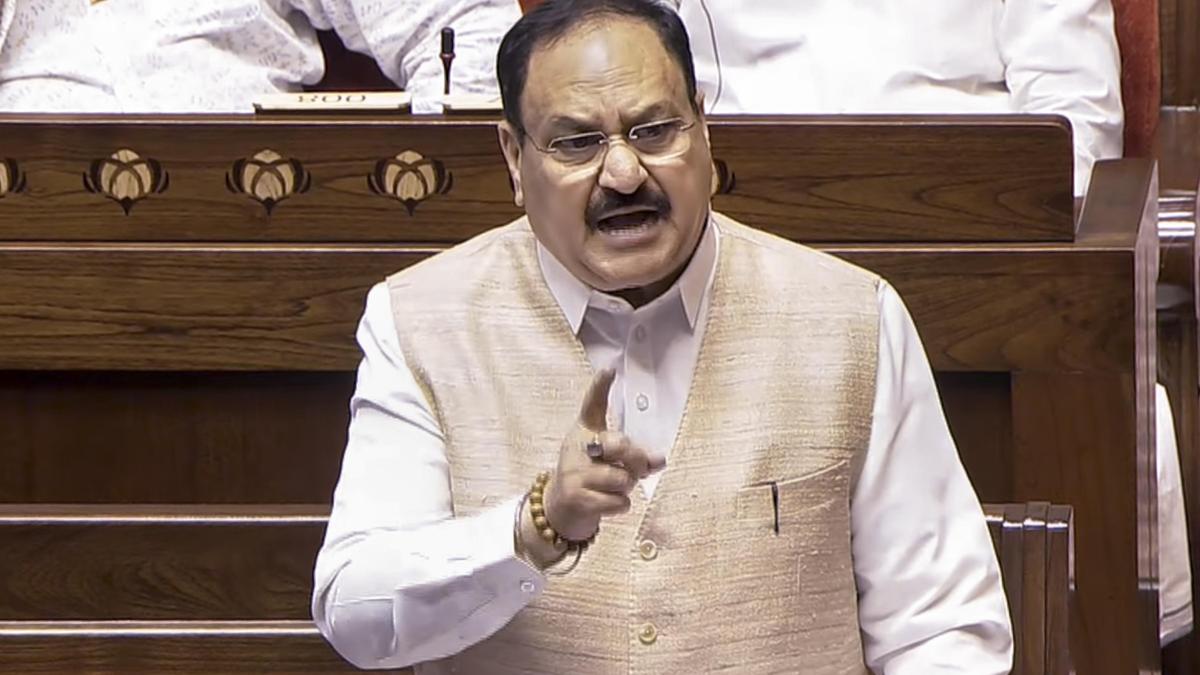
By The Rajya Sabha witnessed sharp exchanges on Monday after Opposition parties staged a walkout during External Affairs Minister S. Jaishankar’s statement on the evolving crisis in West Asia. Union Minister and Leader of the House J.P. Nadda later criticised the Opposition’s conduct, accusing them of turning a serious international issue into what he described as “petty political theatre” inside Parliament.
The disruption unfolded as the government attempted to brief the House on the implications of rising tensions in West Asia, a region of critical importance for India’s energy supplies and its large expatriate workforce. Opposition leaders insisted that the matter required a structured debate rather than a brief statement from the minister, arguing that the situation could have far-reaching consequences for the country.
The Upper House began its sitting with routine proceedings, including obituary references and the laying of official papers by Chairman C.P. Radhakrishnan. Soon after, Jaishankar was invited to present a suo motu statement outlining the government’s assessment of the developments in West Asia and India’s diplomatic engagement with countries in the region.
However, Congress president and Leader of the Opposition Mallikarjun Kharge objected to the format of the discussion. He demanded that the House hold a full-fledged debate on the issue before hearing the government’s statement, stressing that the developments in West Asia could directly affect India’s economic stability and energy security.
Kharge warned that the conflict could disrupt oil supplies and have a cascading effect on fuel prices and inflation in India. He also highlighted the concerns of Indian workers in Gulf countries, noting that nearly one crore Indians live and work across West Asia. Their welfare, he said, should remain a central concern for the government as the situation unfolds.
In addition, Kharge referred to reports of deaths and missing Indian nationals in the region and urged the government to clarify the steps being taken to ensure their safety. He also pointed out that remittances from Indians working in Gulf countries form a significant part of India’s foreign inflows, contributing an estimated ₹51 billion annually.
Opposition members pressed the Chair to allow Kharge to complete his remarks and called for a Short Duration Discussion on the issue. As Jaishankar attempted to proceed with his statement, several MPs rose from their seats and raised slogans demanding a proper debate. Amid the protests, the minister continued reading his statement, prompting the Opposition to stage a coordinated walkout.
After the statement was completed, Leader of the House J.P. Nadda condemned the Opposition’s actions, saying they had shown little interest in constructive discussion. According to him, the government was willing to provide information on the matter, but the Opposition chose disruption over dialogue.
Nadda also cited earlier instances in recent parliamentary sessions when Opposition parties had walked out during government replies on issues such as the Union Budget and other policy discussions. He argued that such repeated protests weakened the credibility of parliamentary debate and prevented meaningful engagement on national issues.
The exchange highlighted the growing friction between the government and Opposition benches during the ongoing Budget Session. While the government maintained that it had followed parliamentary procedures in presenting the statement, Opposition leaders continued to insist that issues with major foreign policy implications deserved a detailed debate in the House.