 By
By Global financial markets reacted sharply after US President Donald Trump announced a two-week ceasefire with Iran, triggering a steep fall in oil prices and a strong rally in stock markets across the world. The announcement raised hopes that tensions in the Middle East could ease and the crucial oil shipping route through the Strait of Hormuz might reopen soon.
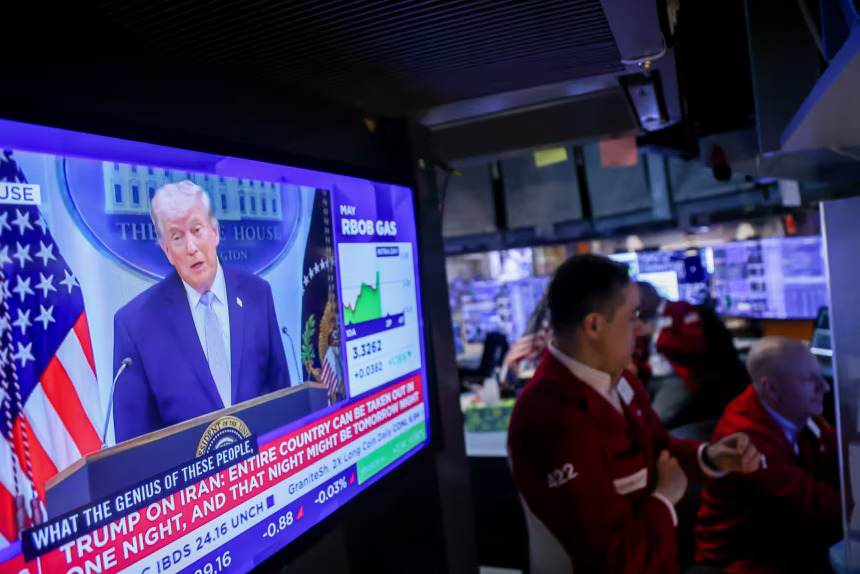
Oil markets responded almost immediately. US benchmark crude, West Texas Intermediate crude, dropped sharply in after-hours trading, falling more than 15 percent and slipping below $95 a barrel. Investors interpreted the ceasefire as a signal that supply disruptions could reduce if shipping activity resumes in the Strait, through which nearly one-fifth of the world’s oil passes.
Stock markets, meanwhile, surged on the back of the news. US futures jumped strongly, with the Dow gaining nearly 900 points in after-hours trading, while the S&P 500 and Nasdaq futures also recorded solid gains. Asian markets followed the positive trend, with Japan’s Nikkei 225 and South Korea’s Kospi posting sharp early-morning gains. The rally reflected growing optimism among investors that geopolitical risks might ease, at least in the short term.
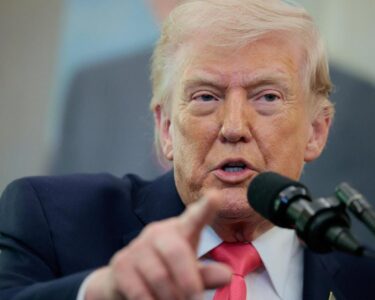
The ceasefire announcement came just hours before a deadline set by Trump for potential military action, making the sudden shift toward negotiations a surprise for markets. According to the US President, Iran had shared a 10-point proposal that could serve as a foundation for further talks, with reopening the Strait of Hormuz seen as a key condition for lasting stability.
However, analysts cautioned that the situation remains uncertain. While markets welcomed the pause in hostilities, there is still no clear roadmap on how the Strait of Hormuz will function in the coming weeks. Iran has indicated that its military would continue regulating movement through the Strait, suggesting that full normalisation of oil shipments may take time.
The recent conflict in the Middle East had created one of the biggest oil supply shocks in recent years, affecting an estimated 12 to 15 million barrels of crude per day. Traders and analysts believe the ceasefire provides temporary relief, but long-term stability will depend on sustained diplomatic engagement and clarity on shipping operations in the region.
For now, the strong rally in stocks and the drop in oil prices underline a clear message from global markets: investors are eager for de-escalation and a return to normal trade flows. Whether the ceasefire leads to lasting peace or just a short pause in tensions will determine the next big move in both oil and equity markets.