 By
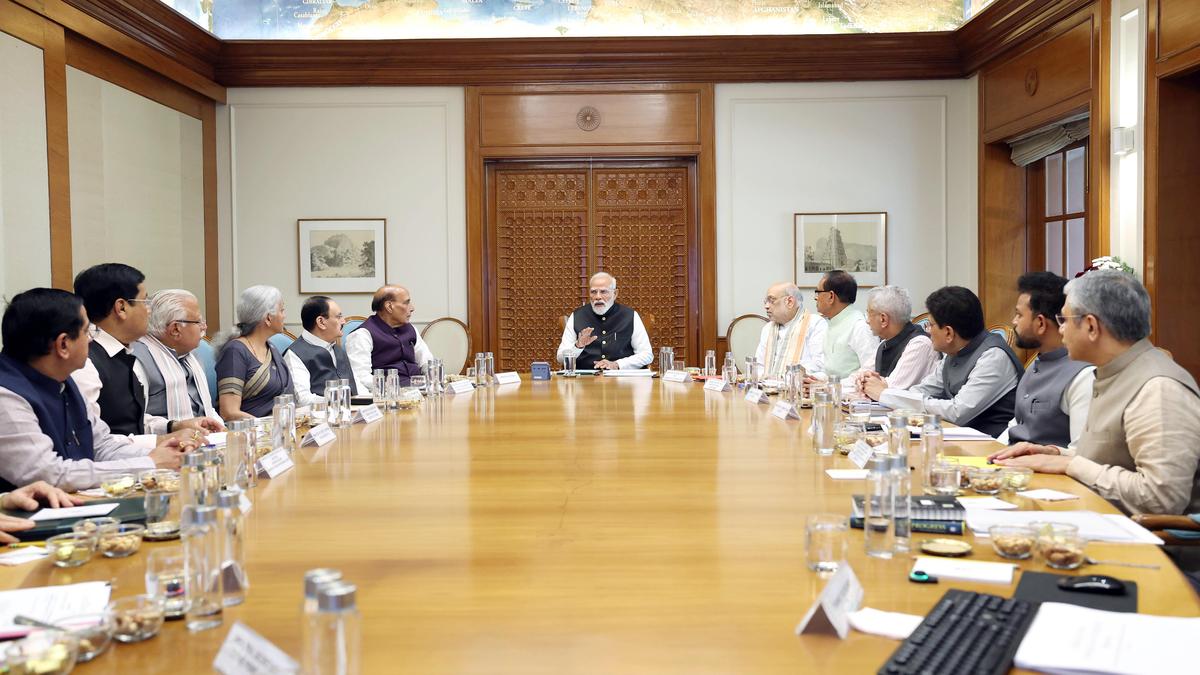
By With tensions in West Asia threatening global energy and commodity supply chains, Prime Minister Narendra Modi on Sunday chaired a high-level meeting of the Cabinet Committee on Security (CCS) to assess the potential impact on India and prepare a coordinated response. The meeting comes at a time when escalating conflict in the Gulf region is raising concerns over fuel supplies, fertilisers and critical imports that directly affect India’s economy.
Government officials said the discussion focused on both immediate risks and long-term implications, with an emphasis on protecting consumers, industries and farmers from possible disruptions. The review highlighted the need for a proactive strategy, as any prolonged instability in West Asia could impact global trade flows and push up energy and commodity prices.
During the meeting, the CCS evaluated the short-, medium- and long-term consequences of the ongoing conflict and discussed a range of countermeasures. Modi directed officials to adopt a “whole-of-government approach” to manage the crisis, calling for closer coordination between ministries and stakeholders. To streamline decision-making, a Group of Ministers and a group of senior secretaries will be formed to monitor developments and respond quickly to emerging challenges.
One of the key focus areas was diversification of imports. Officials discussed securing alternative sources for essential commodities such as fertilisers, chemicals, pharmaceuticals and petrochemicals, which are heavily linked to global supply chains. Fertiliser availability, in particular, was flagged as critical with the Kharif sowing season approaching, as any disruption in natural gas supplies from the region could affect production and pricing.
The government also reviewed the country’s energy preparedness, including coal availability and power supply management. With electricity demand expected to rise sharply during the summer months, maintaining adequate coal stocks at power plants was seen as essential to avoid shortages in case gas-based energy supplies are disrupted.
Officials pointed out that measures taken in recent years—such as building strategic reserves and diversifying import partners—have already strengthened India’s resilience. However, the current situation requires constant monitoring and quick policy adjustments to ensure supply stability and price control.
The meeting also underscored the importance of balancing economic security with diplomatic engagement. While India continues to push for dialogue and de-escalation in West Asia, the government is simultaneously preparing contingency plans to safeguard domestic markets and critical sectors.
As global uncertainty grows, the CCS review signals a cautious but calculated approach—keeping India’s energy, agriculture and industrial needs insulated from geopolitical shocks while ensuring long-term supply security.