 By
By Prime Minister Narendra Modi is set to inaugurate Phase I of the Noida International Airport on March 28, marking a major milestone in India’s aviation and infrastructure expansion. Located in Jewar in Uttar Pradesh’s Gautam Buddha Nagar district, the project is expected to significantly ease pressure on the National Capital Region’s air traffic while opening new opportunities for trade, logistics, and regional development.
The inauguration comes at a time when India is aggressively expanding its airport network to meet rising passenger demand and strengthen its position as a global aviation hub. With Delhi’s Indira Gandhi International Airport operating near capacity during peak hours, the new airport is being seen as a long-term solution to congestion while supporting economic growth across western Uttar Pradesh and nearby regions.
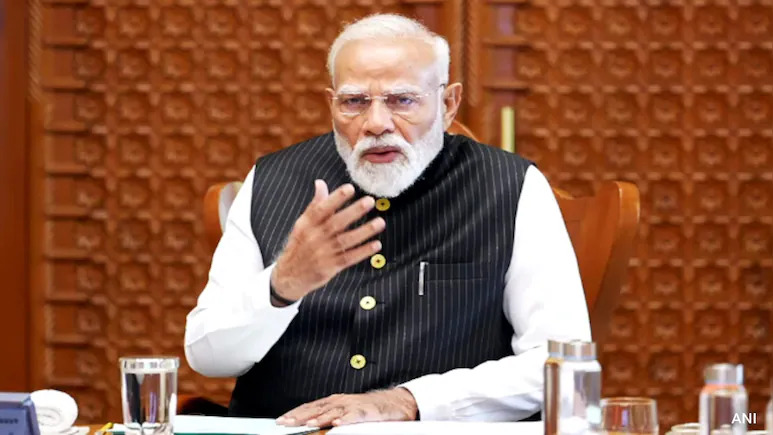
During his visit, Modi will tour the terminal building and review key facilities before formally inaugurating the airport and addressing a public gathering. Officials say the project, built at an estimated cost of ₹11,200 crore under a public-private partnership model, represents one of the largest greenfield airport developments in the country. In its first phase, the airport is designed to handle around 12 million passengers annually, with future expansion planned to increase capacity to nearly 70 million passengers per year.
The infrastructure has been developed with a focus on both passenger convenience and cargo efficiency. The 3,900-metre runway is capable of handling wide-body aircraft and is equipped with advanced navigation and landing systems that allow round-the-clock operations even in challenging weather conditions. A dedicated cargo hub and logistics zone have also been built to support industrial growth and streamline goods movement, with plans to scale up cargo handling capacity significantly in the coming years.
Strategically positioned along the Yamuna Expressway, the airport is designed as a multi-modal transport hub, connecting road, rail, metro, and regional transit systems. This integrated connectivity is expected to improve travel time for passengers and make the airport a key gateway for exports and imports, especially for industries in Uttar Pradesh, Haryana, and western India.
Officials have also highlighted the airport’s sustainability features, including energy-efficient systems and plans to operate with minimal carbon emissions. The architectural design draws inspiration from traditional Indian structures, blending cultural elements with modern infrastructure to create a distinctive identity.
With Phase I ready for launch, the Noida International Airport is being viewed as a transformative project for the NCR region, promising better connectivity, stronger logistics networks, and a significant push to India’s aviation growth story.