
 By
By The Central Government has constituted a high-level task force to recommend sweeping reforms for India’s examination system, with the goal of making it more secure, transparent, and resistant to paper leaks. Announced under the direction of Prime Minister Narendra Modi, the panel is expected to submit a roadmap for overhauling the functioning of the National Testing Agency (NTA) and introducing stronger safeguards across the country’s competitive examinations.
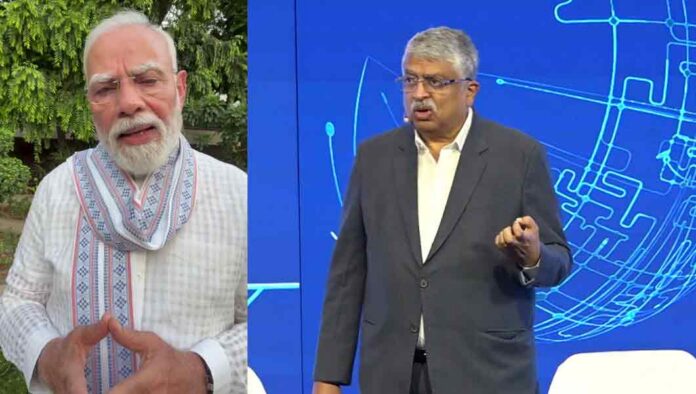
Headed by Infosys co-founder Nandan Nilekani, the task force brings together experts from technology, cybersecurity, administration, logistics, education, and intelligence. Officials believe this multidisciplinary approach will help address long-standing challenges related to examination integrity while modernising the overall testing process.
According to government sources, the selection of members was made after extensive deliberations to ensure that every major aspect of examination management is represented. The panel will study existing systems and recommend measures to strengthen transparency, improve operational efficiency, and minimise the risk of leaks or irregularities.
Nandan Nilekani is expected to guide the technology framework of the reforms. Drawing on his experience in developing large-scale digital platforms, he is likely to recommend secure digital infrastructure, advanced encryption methods, and AI-based identity verification systems to protect candidate data and reduce impersonation during examinations.
IIT Madras Director V. Kamakoti is expected to focus on strengthening the software and server infrastructure used for computer-based examinations. His expertise could contribute to more secure testing platforms, including dynamic question randomisation and enhanced cybersecurity measures to prevent hacking or unauthorised access.
Former ISRO Chairman S. Somanath is expected to contribute his experience in managing highly secure, precision-driven systems. His recommendations may include multiple layers of verification and quality control throughout the examination process, from question paper preparation to final result declaration, reducing the scope for operational errors.
Former Intelligence Bureau Director Tapan Deka is likely to advise on intelligence gathering and surveillance mechanisms to identify organised examination fraud networks. His expertise could help strengthen real-time monitoring and improve security audits at examination centres.
Amrit Lal Meena, known for his experience in logistics and administration, is expected to recommend secure protocols for printing, storing, and transporting examination papers. These could include GPS-enabled tracking systems and digitally secured storage mechanisms designed to prevent tampering before examinations begin.
Former Education Secretary and ex-CBSE Chairperson Anita Karwal is expected to focus on academic and administrative reforms. Her recommendations may include standardised operating procedures for examination centres, transparent answer-key review mechanisms, and improved policies for handling student grievances and evaluation-related issues.
Officials believe the task force’s recommendations will form the basis of a comprehensive reform plan aimed at strengthening public confidence in India’s examination system while ensuring greater fairness, security, and accountability in future competitive exams.