 By
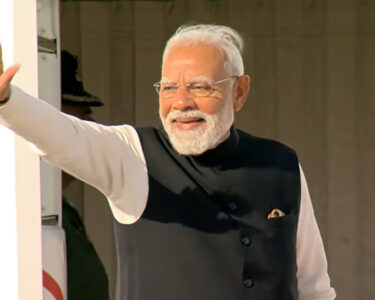
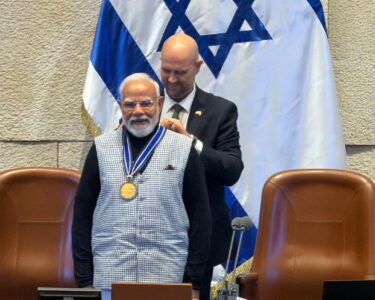
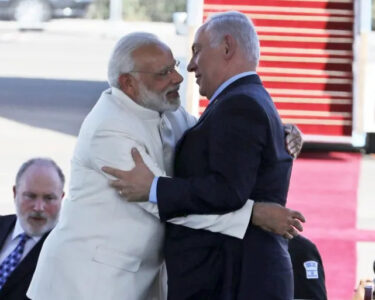
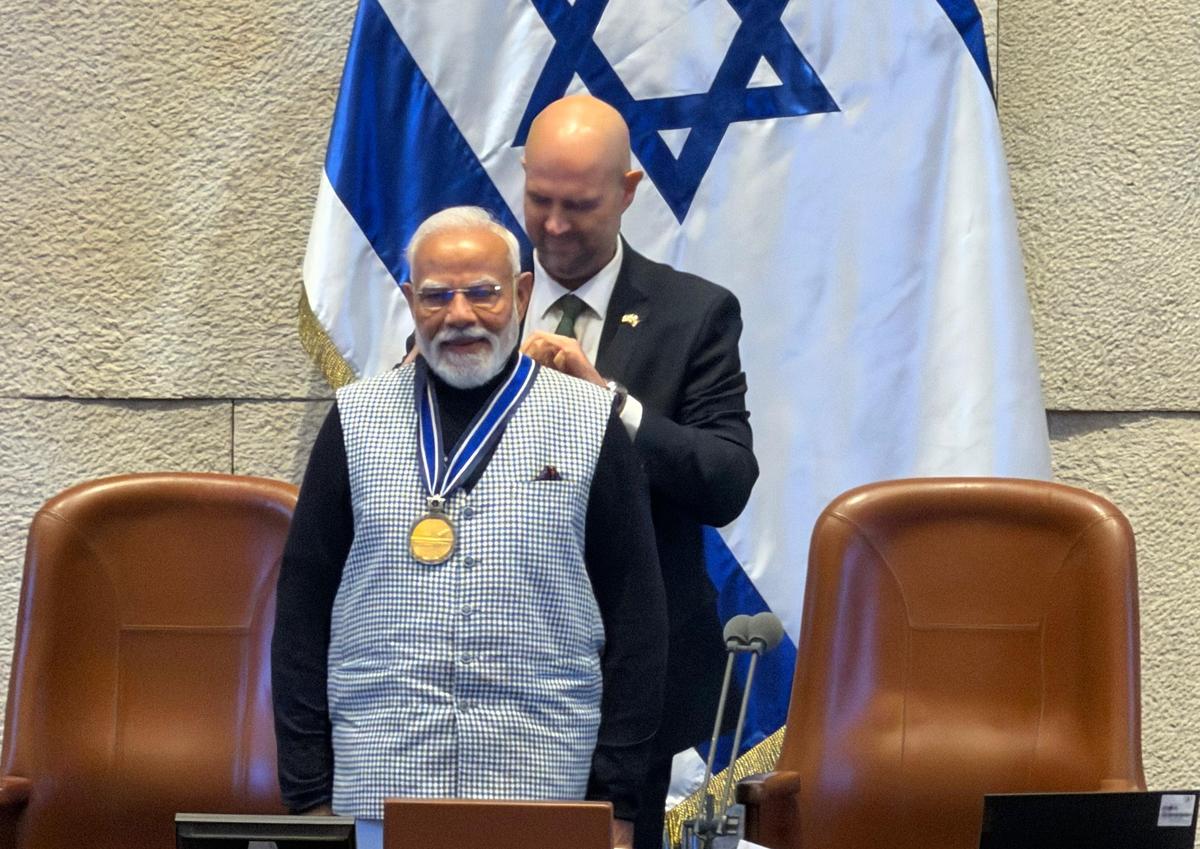
By Prime Minister Narendra Modi’s recent State visit to Israel has assumed added geopolitical significance following the escalation of hostilities in West Asia. Just days after he addressed the Knesset and reaffirmed India’s solidarity with Israel against terrorism, the United States and Israel launched coordinated strikes targeting strategic locations in Iran. The rapidly shifting regional landscape has brought renewed focus to India’s diplomatic balancing and strategic outreach.
During his two-day visit to Tel Aviv and Jerusalem, Modi elevated India-Israel relations to a higher strategic level, strengthening cooperation in defence, technology, artificial intelligence, agriculture and digital infrastructure. His address to the Knesset received strong appreciation from Israeli lawmakers, where he reiterated that India stands firmly against terrorism and supports peace and stability in the region.
Modi conveyed condolences for lives lost in the October 2023 attacks by Hamas and emphasised that democracies must stand united against extremist violence. Israeli Prime Minister Benjamin Netanyahu described India as a trusted partner, while President Isaac Herzog highlighted the growing innovation-driven collaboration between the two nations.
One of the key takeaways from the visit was the expansion of defence and strategic coordination, including discussions around joint development and technology sharing. Agreements were also signed in emerging sectors such as cybersecurity and AI, reinforcing India’s commitment to modernising its security and economic frameworks.
As tensions escalated with joint US-Israel strikes on Iran, India maintained a measured and responsible diplomatic posture. Indian missions in the region swiftly issued advisories to citizens, prioritising the safety of over 10,000 Indians residing in Iran and thousands more across West Asia. The proactive outreach reflects New Delhi’s focus on citizen security amid uncertainty.
US President Donald Trump stated that the objective of the military action was to neutralise perceived threats from the Iranian regime, while Netanyahu described the strikes as essential for national security. Iran, in turn, signalled retaliation, heightening regional tensions.
Despite the volatile backdrop, India’s approach has remained consistent: strengthening bilateral partnerships while advocating stability. Modi’s outreach to Israel aligns with India’s broader foreign policy framework of strategic autonomy — engaging major powers without compromising national interests.
The visit also underscored expanding economic ties. Negotiations toward a comprehensive free trade agreement gained momentum, with leaders expressing optimism about unlocking untapped trade potential. Collaboration in digital payments, including steps toward integrating India’s UPI framework, marked another milestone in financial technology cooperation.
In a region often marked by conflict, Modi’s visit projected India as a confident global player — capable of deepening partnerships while safeguarding its citizens and interests. As West Asia navigates another turbulent phase, New Delhi’s calibrated diplomacy and strong bilateral relationships are likely to play an increasingly important role in shaping its engagement with the region.