 By
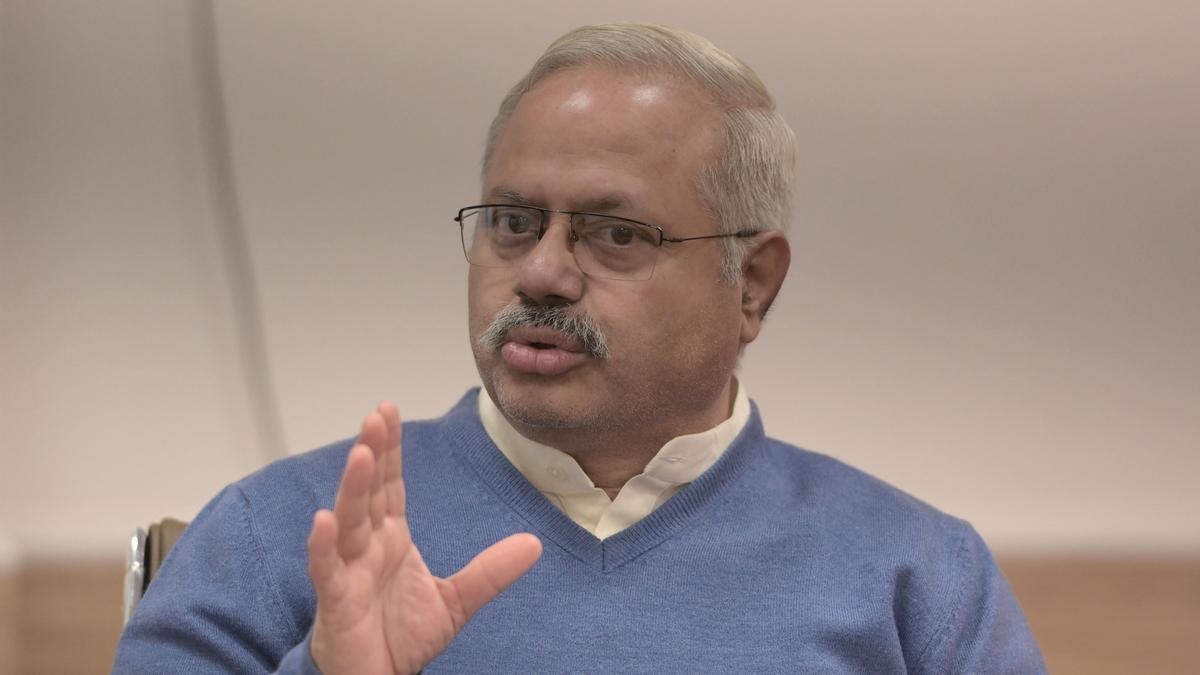
By Rashtriya Swayamsevak Sangh national publicity in-charge Sunil Ambekar has said that offering namaz on public roads should be treated as a law-and-order matter rather than a religious issue, noting that even many Muslim-majority countries restrict prayers to designated places of worship. Speaking in a recent interview, Ambekar stressed that governance decisions on public spaces must be viewed through an administrative lens and not interpreted as targeting any particular community.
His remarks come amid debates over incidents in BJP-ruled states involving FIRs over roadside namaz, iftar gatherings in public spaces, and entry-related guidelines at religious sites. Ambekar said arrangements at places of worship are usually made for followers of that faith and, in a democratic system, people always have the right to question or challenge such decisions through legal and public platforms.
Addressing concerns about ideological alignment within the political ecosystem, Ambekar dismissed speculation over leadership choices in the Bharatiya Janata Party, saying the party has its own systems to train and guide leaders in its core values and organisational principles. He maintained that coordination between organisations and political institutions continues smoothly.
On the ongoing tensions in West Asia, Ambekar called for political unity within India, urging opposition parties to prioritise national interest over political differences during sensitive global developments. According to him, times of international conflict demand collective responsibility and support for the country’s diplomatic and strategic approach.
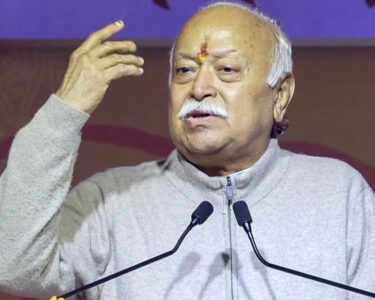
Ambekar also spoke about demographic concerns and historical lessons, arguing that awareness about shared ancestry and cultural roots is essential for strengthening national unity. Referring to India’s history, he said misunderstandings about identity and belonging had contributed to past divisions, and efforts are now being made to promote a broader sense of shared heritage across communities. He added that RSS chief Mohan Bhagwat has consistently highlighted this message in public addresses.
Defending policies such as the Citizenship Amendment Act and National Register of Citizens, Ambekar described them as constitutional measures aimed at safeguarding national interests while ensuring legal review mechanisms for affected individuals. He emphasised that democratic institutions allow citizens to raise concerns and seek corrections where necessary.
Highlighting the organisation’s growth as it completed 100 years in 2025, Ambekar said RSS activities have expanded significantly, with tens of thousands of daily shakhas and deeper outreach into rural and urban areas. He noted that decentralisation and grassroots engagement remain central to the Sangh’s long-term vision of national development, unity, and social cohesion.