
 By
By West Bengal has recorded one of its most remarkable electoral moments, with voter participation touching unprecedented levels in the recently concluded Assembly elections. The second and final phase alone witnessed a turnout of over 92%, pushing the overall participation across both phases to nearly 93%—the highest ever since Independence.
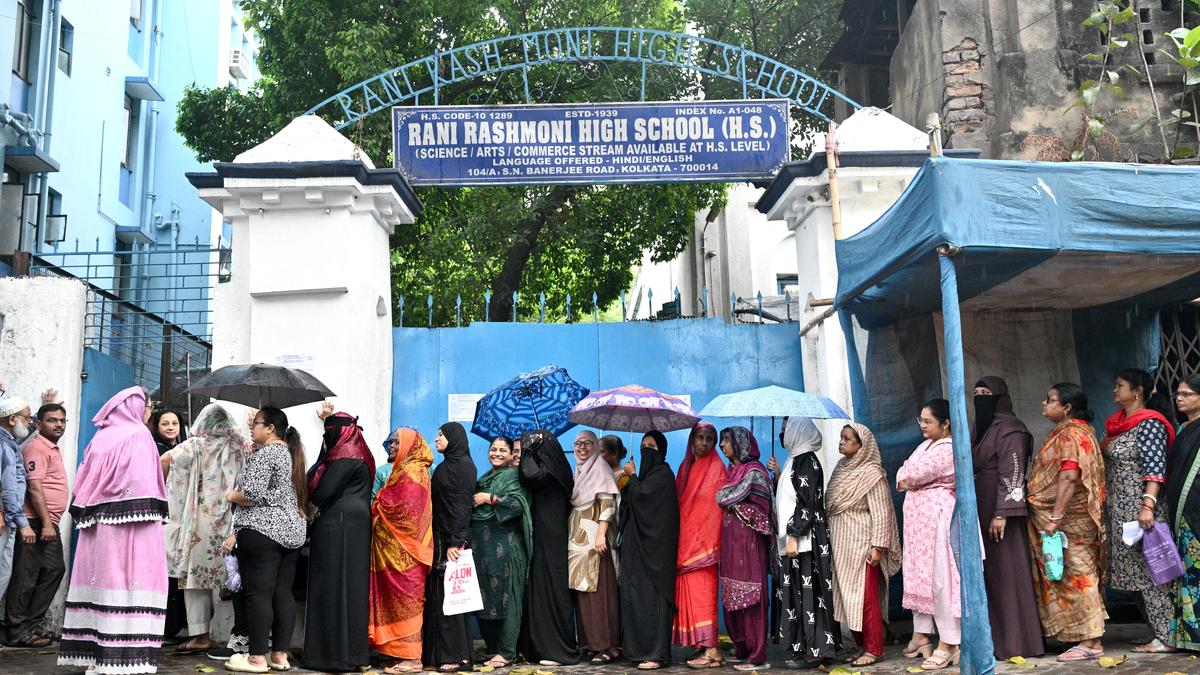
The scale of voting reflects a deeply engaged electorate, cutting across urban and rural regions. While polling day saw a few scattered incidents of unrest, the overwhelming narrative remained one of enthusiasm, long queues, and a determined push by citizens to make their voices heard.
In the second phase, voting took place across 142 constituencies in southern districts, with rural belts leading the turnout surge. Areas like Purba Bardhaman and Hooghly recorded especially strong participation, signalling high levels of mobilisation at the grassroots. Even densely populated districts such as North and South 24 Parganas saw turnout figures crossing the 91% mark, underscoring consistent engagement across regions.
Urban centres, while slightly behind rural areas, still posted impressive numbers. Kolkata South recorded around 87% turnout, while Kolkata North and neighbouring Howrah also saw voters turn up in large numbers. These figures, though marginally lower than rural districts, still indicate a robust urban response in a large-scale electoral exercise.
The momentum had already been set in the first phase, where over 93% of voters turned up across 152 seats. Together, the two phases have set a new benchmark for electoral participation in the state. According to Gyanesh Kumar, this marks the highest polling percentage recorded in West Bengal’s electoral history since Independence.
High voter turnout is often seen as a reflection of public confidence in the democratic process, as well as heightened political awareness. In Bengal’s case, it also points to the intensity of the contest and the stakes involved for both ruling and opposition parties.
As the state now awaits the counting of votes, the focus will shift from participation to outcome. However, regardless of the final result, this election has already carved out a place in history for its extraordinary voter engagement.