
 By
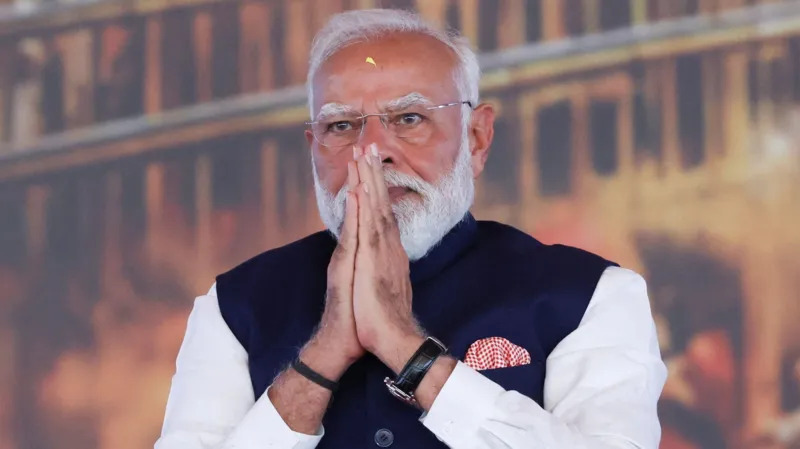
By As global oil prices continue to rise due to the prolonged conflict in the Middle East, Narendra Modi has urged Indians to adopt more responsible consumption habits, including reducing unnecessary fuel usage, limiting foreign travel and embracing work-from-home practices wherever possible.
Speaking at a public event in Hyderabad, the Prime Minister said India must prepare carefully for the economic impact of ongoing geopolitical tensions, especially as disruptions in global oil supply chains continue to affect several countries. He stressed that conserving fuel and foreign exchange has now become a matter of national responsibility.
“Patriotism is not limited to the battlefield. In difficult times, it also means living responsibly and fulfilling our duty towards the nation through our everyday choices,” Modi said while addressing the gathering.
India imports a large share of its crude oil requirements, and the continued instability around the Strait of Hormuz has pushed energy costs sharply higher across international markets. Economists believe the situation has increased pressure on fuel imports, inflation and the Indian rupee.
The Prime Minister encouraged citizens to use petrol, diesel and cooking gas carefully and avoid unnecessary consumption. He also promoted the use of public transport systems such as metro rail networks and suggested carpooling as a practical way to reduce fuel demand.
Modi further appealed to people to avoid excessive spending on non-essential imports and called for restraint in overseas travel wherever possible. He said such steps would help conserve foreign exchange reserves at a time when global economic uncertainty remains high.
The government, he added, has already been investing heavily in energy security through renewable energy projects, solar expansion, ethanol blending and gas-based infrastructure. According to him, these long-term initiatives are helping India manage the current crisis more effectively compared to many other economies.
The Prime Minister also spoke about the importance of sustainable agricultural practices and urged farmers to reduce excessive dependence on chemical fertilisers where possible. Experts say rising global energy prices have also increased fertiliser production and transportation costs worldwide.
The ongoing geopolitical conflict has already affected several sectors across India, including manufacturing, transportation and exports. Rising fuel costs have created concerns over inflation and supply chain disruptions, while industries dependent on energy-intensive production continue to face pressure.
Opposition leaders, however, criticised Modi’s remarks and accused the government of shifting the burden of the economic crisis onto ordinary citizens. Congress leader Rahul Gandhi said the Centre should focus on stronger economic planning instead of asking people to make sacrifices.
Meanwhile, countries across Asia and other parts of the world have also introduced emergency measures to tackle rising fuel prices and supply shortages, including transport subsidies, fuel rationing and reduced public-sector working days.
Analysts believe Modi’s comments indicate the government may introduce additional measures in the coming weeks aimed at reducing energy consumption and protecting the economy from prolonged global disruptions.