 By
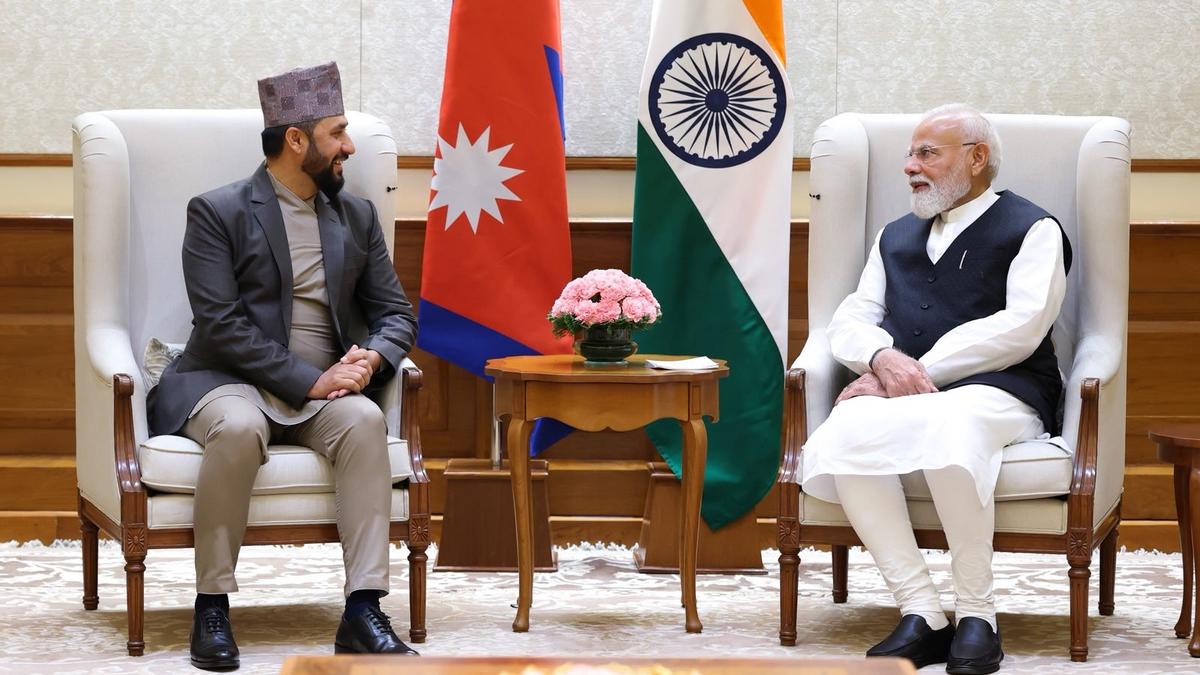
By India and Nepal signalled a renewed push for deeper engagement on trade, connectivity and regional cooperation as Prime Minister Narendra Modi met Nepal’s ruling Rastriya Swatantra Party (RSP) chairman Rabi Lamichhane in New Delhi on Wednesday. The meeting comes at a crucial time, with both countries navigating sensitive diplomatic issues while seeking to strengthen their long-standing partnership.
Describing Nepal as a “priority partner” under India’s Neighbourhood First policy, Prime Minister Modi emphasized the importance of close cooperation between the two neighbours. The interaction also reflected New Delhi’s intent to maintain strong ties with Nepal’s new political leadership amid evolving regional and economic challenges.
Sharing details of the meeting, Modi said India looks forward to working closely with Nepal for a shared and prosperous future. He noted that the relationship between the two countries is rooted in deep cultural, historical and people-to-people connections, and expressed confidence that bilateral ties would continue to expand across multiple sectors.
The meeting was attended by National Security Adviser Ajit Doval, External Affairs Minister S. Jaishankar and Foreign Secretary Vikram Misri. It followed Lamichhane’s separate discussions with Jaishankar and Union Home Minister Amit Shah a day earlier, where issues related to development cooperation, connectivity and security were discussed.
Lamichhane described his meeting with Modi as productive and forward-looking. He highlighted the potential of what he called “development diplomacy,” focusing on digital connectivity, infrastructure cooperation and stronger economic integration between the two countries. According to him, shared civilizational ties and improved connectivity can create new opportunities for growth and prosperity on both sides of the border.
The visit has drawn significant attention because it is among the first high-level political engagements between India and Nepal since the formation of Prime Minister Balendra Shah’s government earlier this year. The new administration in Kathmandu has been closely watched for its policy decisions, including trade-related measures and its stance on long-standing border issues.
Diplomatic observers view Lamichhane’s visit as an effort to ensure that bilateral relations remain on a stable footing despite occasional differences. The discussions also come ahead of an expected visit by Nepal’s Foreign Minister Shisir Khanal, indicating continued engagement between the two governments.
India and Nepal share one of South Asia’s closest relationships, marked by an open border, extensive economic links and deep social ties. Wednesday’s meeting reinforced the message that both countries remain committed to dialogue and cooperation, even as they work through complex regional and bilateral issues.