

 By
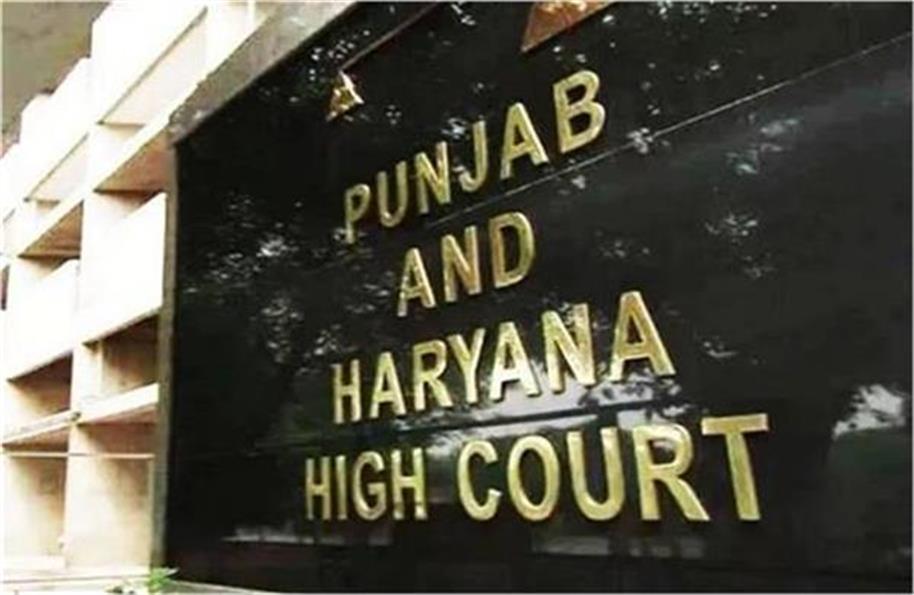
By The Punjab and Haryana High Court has observed that directing trial courts to conclude every case within a fixed timeframe is neither appropriate nor practical, considering the large number of pending cases across courts in the country. The court noted that while speedy justice remains an important objective, imposing rigid deadlines for individual cases is not always feasible.
At the same time, the High Court emphasised that trial courts must make every sincere effort to hear and dispose of priority matters as quickly as possible, ensuring that litigants are not subjected to unnecessary delays in the justice delivery process.
The observations were made by Justice Vikram Aggarwal while hearing a petition seeking the quashing of an FIR registered in 2017 at Sadar Police Station, Gurugram. The case involves allegations of cheating under Section 420 of the Indian Penal Code and an offence under Section 66B of the Information Technology Act.
During the hearing, counsel for the petitioner informed the court that although the FIR was registered on April 21, 2017, the final report was filed only in 2020. The petitioner further argued that repeated adjournments before the trial court had delayed the proceedings, prompting a request for the High Court to direct the lower court to conclude the trial within a specified period.
After considering the submissions, the High Court declined to impose a fixed deadline for completing the trial. The bench observed that trial courts across the country are already dealing with a substantial backlog of cases, making it difficult to prescribe uniform timelines for individual matters.
However, the court instructed the trial court to make earnest and effective efforts to complete the proceedings at the earliest possible opportunity. It stressed that despite increasing pressure on the judicial system, courts should continue taking proactive steps to ensure the timely disposal of pending cases wherever possible.
The ruling highlights the High Court’s balanced approach—recognising the practical challenges faced by the judiciary while reinforcing the responsibility of trial courts to minimise avoidable delays and deliver justice without unnecessary postponements.