
 By
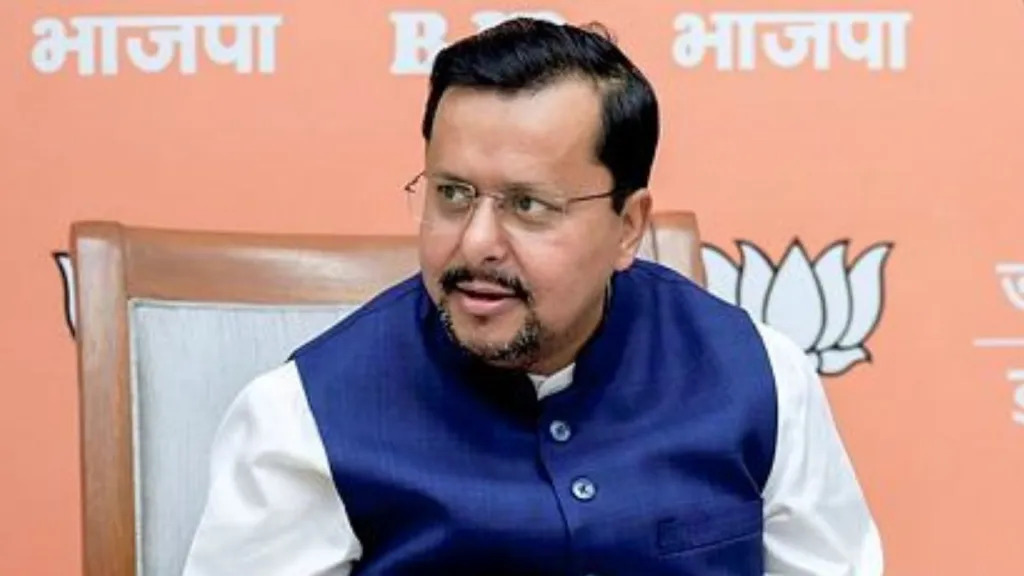
By Nabin targeted Congress leader Rahul Gandhi, Aam Aadmi Party (AAP) chief Arvind Kejriwal and the Congress-led INDIA bloc, warning that the BJP would oppose any attempt to disrupt peace or undermine the country’s democratic institutions. The allegations add a political dimension to the CJP protests, which have focused on voter lists and the Election Commission, while raising a familiar question in Indian politics: when do concerns over foreign influence become a political argument against domestic dissent?
Nabin Targets Rahul Gandhi, Kejriwal and CJP
In his statement, Nabin accused opposition leaders and the CJP of competing to create instability rather than accepting electoral defeats and examining their political setbacks. He claimed that some groups were acting at the direction of foreign powers and alliances, although he did not provide specific evidence in the remarks cited.
Nabin said the country’s population of around 140 crore people was contributing to national development peacefully, and alleged that certain political groups were trying to disrupt that progress. He described the language used by opposition leaders and CJP representatives as an attempt to challenge the constitutional framework and disrespect institutions.
The BJP president also warned that the government would respond firmly to attempts to create unrest. He said BJP workers would remain active among the public and oppose what he characterised as efforts to destabilise the country.
These statements reflect the BJP leadership’s response to the Delhi demonstration. The CJP, meanwhile, has presented its campaign as a movement for electoral reform and accountability, including demands for the resignation of Chief Election Commissioner Gyanesh Kumar.
Musk’s Starlink Remarks Add to Political Exchange
Nabin’s comments came amid a separate public exchange involving US billionaire Elon Musk, Rahul Gandhi and Indian business interests. Musk had criticised delays in the launch of his satellite communications company, Starlink, in India and made remarks targeting industrialist Mukesh Ambani.
Musk had also referred to unnamed business figures as “oligarchs” in comments about the launch delays. Gandhi responded on social media with a remark welcoming Musk to India and suggesting he would soon discover another powerful business figure.
The exchange became part of the wider political conversation as the BJP accused opposition leaders of acting in ways that could undermine national interests. However, the Starlink dispute and the CJP’s electoral reform protest are separate issues, and the statements cited do not establish a direct link between them.
BJP Sources Raise FCRA and Foreign Funding Questions
BJP sources also pointed to the proposed Foreign Contribution (Regulation) Act, or FCRA, legislation as a factor behind the party’s focus on foreign influence. One BJP leader alleged that Congress had links to foreign donors and suggested that tighter rules could affect its funding. The leader also questioned how some CJP figures financed their travel and alleged that the movement was supported by a network assembled abroad.
These were allegations made by BJP sources. The material provided does not include evidence establishing that the CJP’s protests were directed or funded by foreign powers, nor does it independently substantiate the claims about Congress funding.
The foreign influence argument has nevertheless become part of the BJP’s political response to the demonstrations, alongside its criticism of opposition leaders and their approach to electoral disputes.
‘Foreign Hand’ Claims Have a Long History in Indian Politics
The use of foreign influence as an explanation for domestic political unrest is not new in India. Governments across different periods have invoked the idea during protests, political controversies and movements challenging those in power.
Indira Gandhi referred to foreign interference during the political tensions of the 1970s and blamed outside forces for several domestic developments, including the movement that preceded the Emergency and her electoral defeat. Rajiv Gandhi later spoke of an outside influence allegedly hindering India’s development during the Bofors controversy.
The argument resurfaced under the Congress-led government, when Manmohan Singh criticised foreign-funded non-governmental organisations over protests against a nuclear power project. Congress leaders also raised questions about possible American backing for Anna Hazare’s anti-corruption movement.
Under the Narendra Modi government, the phrase returned during the 2021 farmers’ protests, after international figures including Rihanna and Greta Thunberg commented on the demonstrations. Modi warned against what he called a “Foreign Destructive Ideology”, while BJP leaders also described the Shaheen Bagh protests as part of a wider conspiracy.
The latest remarks by Nabin continue this long-running political pattern. As the dispute over electoral rolls and the CJP demonstration develops, the central questions remain the basis for the foreign interference allegations, the evidence supporting them and how authorities respond to protests over electoral processes.