 By
By The Lok Sabha on Monday cleared the Insolvency and Bankruptcy Code (Amendment) Bill, 2025, marking another step in the government’s effort to streamline corporate insolvency and reduce legal delays in resolving stressed companies. The legislation aims to speed up the admission of insolvency cases and strengthen the overall resolution framework, a move that could significantly impact businesses and financial institutions dealing with bad loans.
Presenting the Bill in the House, Finance Minister Nirmala Sitharaman said the amendments were designed to address persistent delays caused by lengthy litigation and procedural bottlenecks. She explained that the revised law introduces a mandatory 14-day timeline for admitting insolvency applications once a default is confirmed, along with stricter penalties to discourage misuse of legal provisions that often stall the resolution process.
The amendment, which was earlier examined by a Select Committee, includes a set of 12 proposed changes intended to make the insolvency system more efficient and predictable. Since the Insolvency and Bankruptcy Code was first introduced in 2016, this marks the seventh major revision, reflecting the government’s ongoing attempt to fine-tune the framework based on industry feedback and judicial experience. Lawmakers noted that faster resolution timelines could improve investor confidence and help banks recover dues more effectively, especially in large corporate cases.
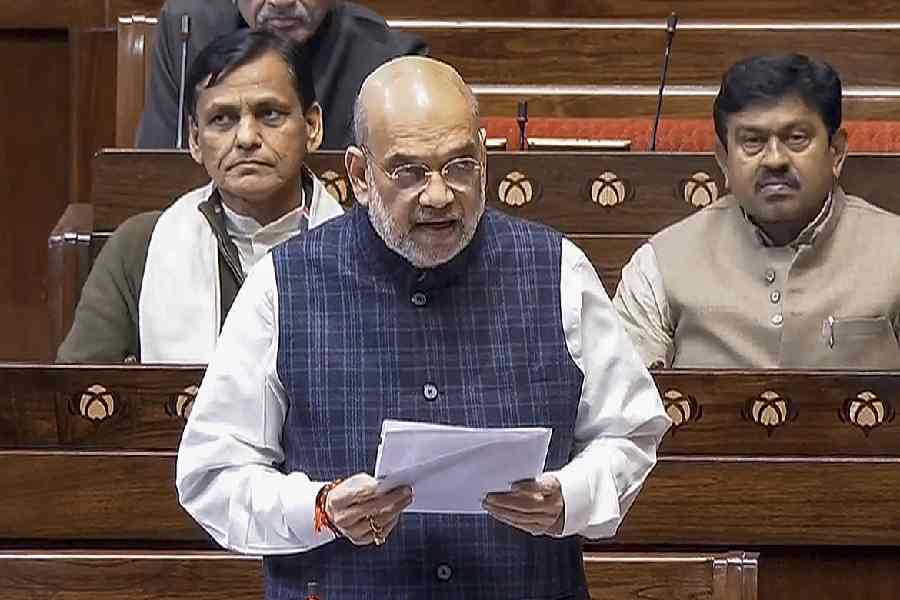
As legislative business progressed, attention in the House shifted to national security and internal stability, with discussions scheduled on the government’s efforts to eliminate Left Wing Extremism. Union Home Minister Amit Shah is expected to address the Lok Sabha later in the day to present an update on anti-Naxal operations and outline the roadmap for achieving long-term peace in affected regions.
Shah’s address comes in the backdrop of the government’s stated goal of moving towards a “Naxal-free India,” with security forces intensifying operations in several Left Wing Extremism-affected areas. The Home Minister is expected to provide details on progress made so far, ongoing operations, and development initiatives aimed at stabilising these regions and bringing them into the mainstream.
Parliamentary proceedings on Monday reflected a mix of economic reform and security priorities, with the passage of the IBC amendment focusing on financial stability, while the upcoming discussion on Naxalism underscores the government’s broader agenda of strengthening internal security and governance across the country.