 By
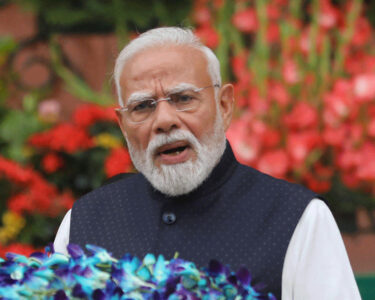
By Prime Minister Narendra Modi is poised to enter a significant chapter in India’s political history on June 10, when he surpasses the record of India’s first Prime Minister, Jawaharlal Nehru, as the longest continuously serving elected Prime Minister of the country.
The milestone comes as Modi completes 4,399 uninterrupted days in office since first assuming the role in May 2014. While numbers alone do not define a leader’s legacy, political observers believe this moment reflects a remarkable period of continuity in Indian politics and highlights the enduring electoral support that has kept Modi at the helm for over a decade.
Nehru, who became India’s first elected Prime Minister following the 1952 general election, held office until his death in 1964. Although he served as Prime Minister from 1947 onward, the years before the first general election are generally considered part of the interim government period. Modi’s latest milestone therefore places him ahead in terms of uninterrupted service through democratic elections.
The achievement arrives as the National Democratic Alliance (NDA) government marks 12 years in power. During this period, the Modi government has overseen a series of major political, economic and administrative changes that have reshaped the national conversation.
Over the last 12 years, India has witnessed many transformations and at the core of these changes is the welfare of the poor and downtrodden. We have always been inspired by Antyodaya and our effort has always been to ensure that the benefits of development reach those who were…
— Narendra Modi (@narendramodi) June 8, 2026
Political analysts point out that Modi’s tenure has been marked by decisions that carried long-term political significance. These include the construction of the Ram Mandir in Ayodhya, the abrogation of Article 370 in Jammu and Kashmir, an intensified push against Left-wing extremism, and efforts aimed at improving connectivity and development in the Northeast.
Experts also argue that Modi has altered the way political communication is conducted in India. Through direct engagement with citizens, extensive use of technology, and a focus on welfare delivery, his leadership style has created a new model of mass political outreach.
Many scholars believe Modi’s political legacy will ultimately be judged not by the duration of his tenure alone, but by the broader transformation witnessed during these years. His supporters describe the period as one of national confidence, infrastructure expansion and stronger global positioning for India.
As the Prime Minister crosses another historic milestone, the debate over the long-term impact of his leadership is likely to continue. What remains undisputed, however, is that Modi has secured a unique place in India’s democratic journey by becoming the longest-serving continuously elected Prime Minister in the nation’s history.