
 By
By The Union government has constituted a high-level committee to conduct a detailed study of demographic changes across the country, with a special focus on the impact of illegal immigration and other factors contributing to abnormal population shifts. The move signals the Centre’s intent to take a long-term, data-driven approach to issues that it believes have implications for national security, social stability, and governance.
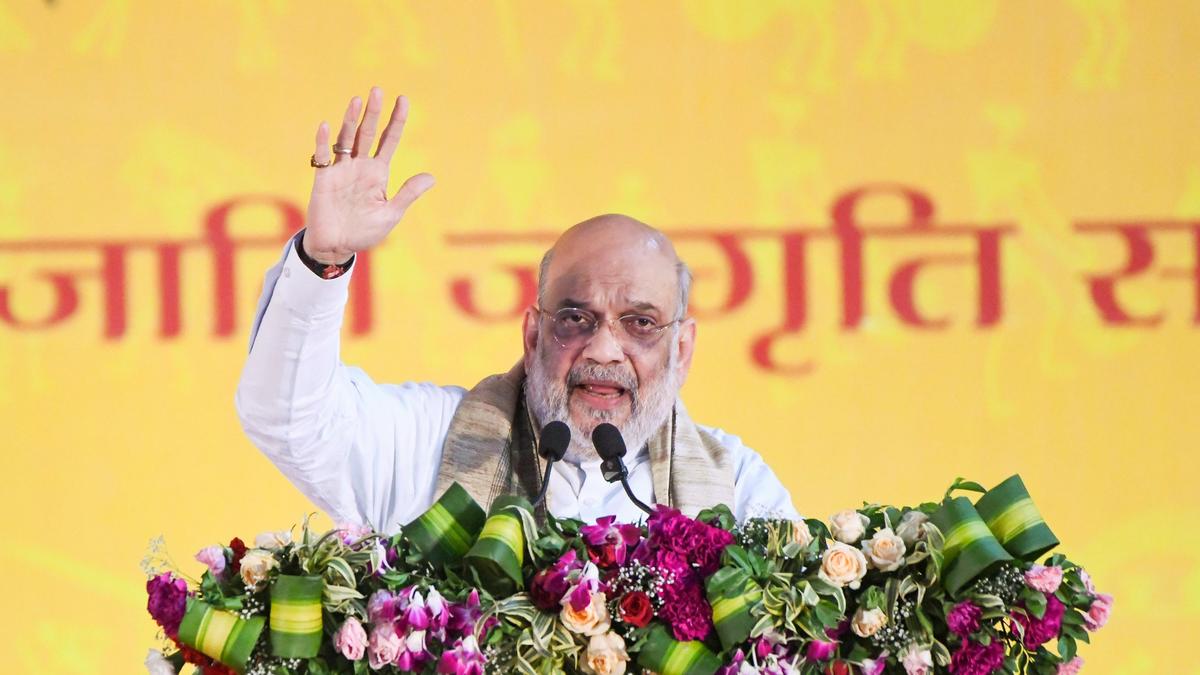
Announcing the decision, Union Home Minister Amit Shah said the committee would examine demographic trends in different regions and recommend measures to address challenges arising from unchecked population changes. The panel has also been tasked with suggesting an institutional framework to support population stabilisation and improve monitoring mechanisms.
The committee will be headed by former Supreme Court judge Justice Prakash Prabhakar Navlekar and includes several experienced administrators and policy experts. Among its members are former Uttar Pradesh Chief Secretary Durga Shanker Mishra, former Bureau of Police Research and Development chief Balaji Srivastava, and economist Dr. Shamika Ravi, a member of the Prime Minister’s Economic Advisory Council. A senior Home Ministry official will serve as the member secretary.
According to the Ministry of Home Affairs, the panel will conduct a scientific assessment of demographic changes in different parts of India and identify the factors driving them. These may include illegal immigration, cross-border movements, economic migration, settlement patterns, and other social or environmental influences. The committee has been asked to submit its report within one year, though its tenure may be extended if required.
The government believes that demographic shifts are not merely statistical developments but can have broader implications for governance, resource distribution, social harmony, and internal security. The committee will therefore analyse population trends among different social and religious communities, particularly in areas where growth patterns differ significantly from national averages.
Another key responsibility of the panel will be to recommend a streamlined and legally sound system for identifying, detaining, and deporting illegal immigrants residing in the country. It will also explore ways to strengthen border management and improve coordination between the Centre and state governments on matters related to migration and demographic monitoring.
The initiative comes ahead of India’s next population census, scheduled for 2027. Recent demographic data indicates that the country’s fertility rate has already fallen below the replacement level, while birth rates have steadily declined over the past decade.
Officials say the committee’s recommendations are expected to help shape future policies on population management, migration control, border security, and demographic planning, making it one of the most significant studies undertaken in this area in recent years.