
 By
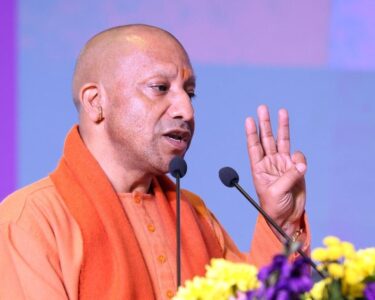
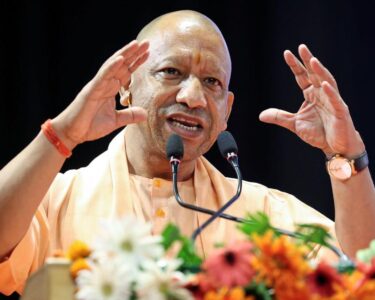
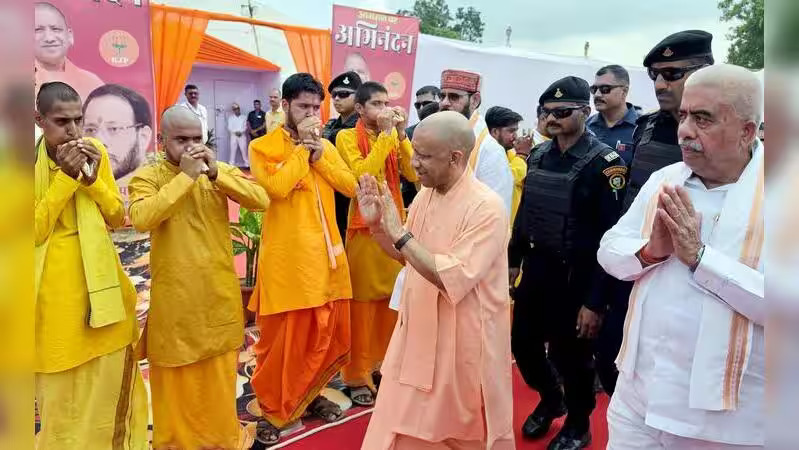
By Uttar Pradesh Chief Minister Yogi Adityanath on Sunday said India’s spiritual traditions have played a central role in preserving the country’s social and cultural unity through periods of political upheaval and foreign invasions. Addressing devotees during his visit to Unchahar for the Shri Shiv Mahapuran Katha, he said the continued practice of spiritual discourse and devotion would keep the tradition of Sanatan Dharm alive.
“As long as the tradition of ‘katha’ continues, the flag of Sanatan will continue to fly, and if Sanatan’s flag remains high, no one will be able to harm India,” Adityanath said. He argued that the idea of dharm should not be restricted to forms of worship, but should also be understood as a force that connects society through duties, values and a sense of collective responsibility.
Spiritual Traditions Helped Preserve Social Unity
Reflecting on India’s medieval history, Yogi said political weaknesses had left the country vulnerable to foreign invasions, including attacks on places of religious and cultural significance. However, he said traditional centres of spiritual learning and discourse continued to preserve social cohesion and pass cultural knowledge from one generation to another.
He specifically recalled the contribution of Goswami Tulsidas, saying the poet and saint used Ram Katha to bring people together and strengthen social consciousness. According to Yogi, Tulsidas declined an opportunity to become one of the Navratnas in Mughal emperor Akbar’s court, making it clear that his devotion was centred on Lord Ram.
Yogi said the public recitation of phrases such as “Raja Ramchandra Ki Jai” through Ramlilas and Ram Katha became a means of awakening collective consciousness during that period.
Devotion as a Path to Public Welfare
The Chief Minister also spoke about the role of devotion in Sanatan tradition. Referring to the Ramayan, he said Hanuman’s devotion to Lord Ram became a lasting example of selfless faith and earned him enduring reverence among devotees.
He said devotion to Lord Shiva similarly represents a path towards public welfare and social well-being. According to Yogi, the expression of devotion to Shiva may differ across different parts of India because people have varied clothing, food habits and lifestyles, but the underlying spiritual connection remains common.
He cited the country’s Jyotirlingas as an example of this shared cultural tradition, saying they contribute to strengthening the sense of unity across India despite regional differences.
Uttar Pradesh’s Spiritual Landscape
Yogi also highlighted the distinct spiritual identities associated with several major centres of Uttar Pradesh. He linked Ayodhya with the idea of maryada, Kashi with consciousness and spiritual reflection, Mathura-Vrindavan with devotion and Prayagraj with harmony.
He said these places represent different dimensions of India’s spiritual and cultural heritage while collectively contributing to the state’s larger religious identity.
The Chief Minister also referred to Naimisharanya and Shukteerth, describing them as ancient centres through which the tradition of knowledge was preserved and transmitted. He said sages had safeguarded this knowledge through the Puranas so that successive generations could remain connected with India’s spiritual and intellectual heritage.
Through his address, Yogi presented Sanatan tradition not merely as a religious practice but as a continuing cultural framework that, in his view, has helped preserve India’s social cohesion, spiritual identity and civilisational continuity across centuries.