
 By
By The Rashtriya Swayamsevak Sangh is looking to strengthen its digital footprint as it enters its centenary phase, with chief Mohan Bhagwat urging volunteers to become more active on social media and use online platforms to promote constructive initiatives.
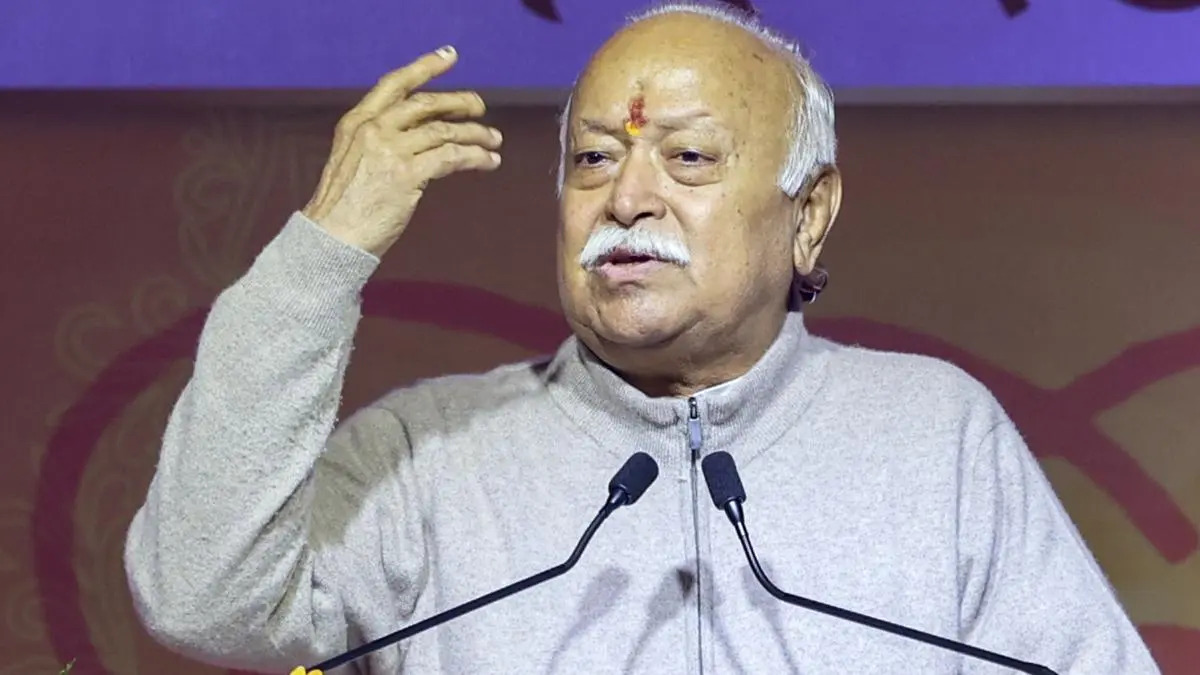
Speaking at a centenary event of Marathi daily Tarun Bharat in Nagpur, Bhagwat said social media has become an integral part of modern communication and the organisation must adapt to this reality. He emphasised that digital platforms should not just be used for visibility but for meaningful engagement that benefits society.
Bhagwat acknowledged that social media is already filled with memes, reels and fast-moving content, but noted that RSS volunteers are gradually using these platforms to communicate their work and ideas. According to him, this shift is necessary as the organisation’s activities and public outreach continue to grow. Rather than seeing social media as an optional tool, he indicated that it will increasingly become part of the Sangh’s communication strategy.
He also spoke about the broader goal of bringing people together and driving social change. Bhagwat said that when dedicated volunteers take up constructive work, it naturally spreads through society and contributes to long-term transformation. In his view, social media can amplify such efforts and help connect communities more effectively.
Another key theme in his speech was decentralisation. As the organisation expands, Bhagwat pointed out that expectations from volunteers have grown across sectors—from social service to community engagement—making it necessary to create smaller, more efficient units. A decentralised structure, he said, would allow quicker response and better coordination at the local level.
Bhagwat also underlined the need for structured interaction with government and administrative bodies. With RSS activities increasing in scale and scope, periodic coordination with authorities has become important to address operational challenges and streamline social initiatives. To facilitate this, a separate state-level coordination mechanism is being planned to handle communication and remove administrative hurdles.
The RSS chief’s remarks reflect a broader shift within the organisation—balancing its traditional grassroots model with modern communication tools and structured coordination. As the centenary year progresses, the emphasis appears to be on expanding reach, strengthening organisation, and adapting to a rapidly evolving social and digital landscape.