 By
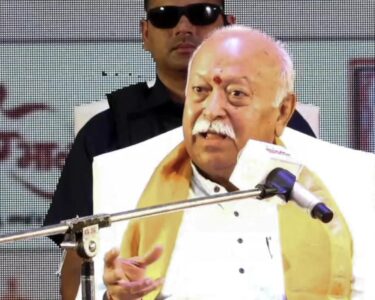
By Mohan Bhagwat on Wednesday said India needs to pay greater attention to demographic balance and long-term social planning rather than focusing only on population control. Speaking at an event in Mysuru, the Rashtriya Swayamsevak Sangh chief stressed that the country must prepare thoughtfully for the future while keeping social harmony and national development at the centre of policy discussions.
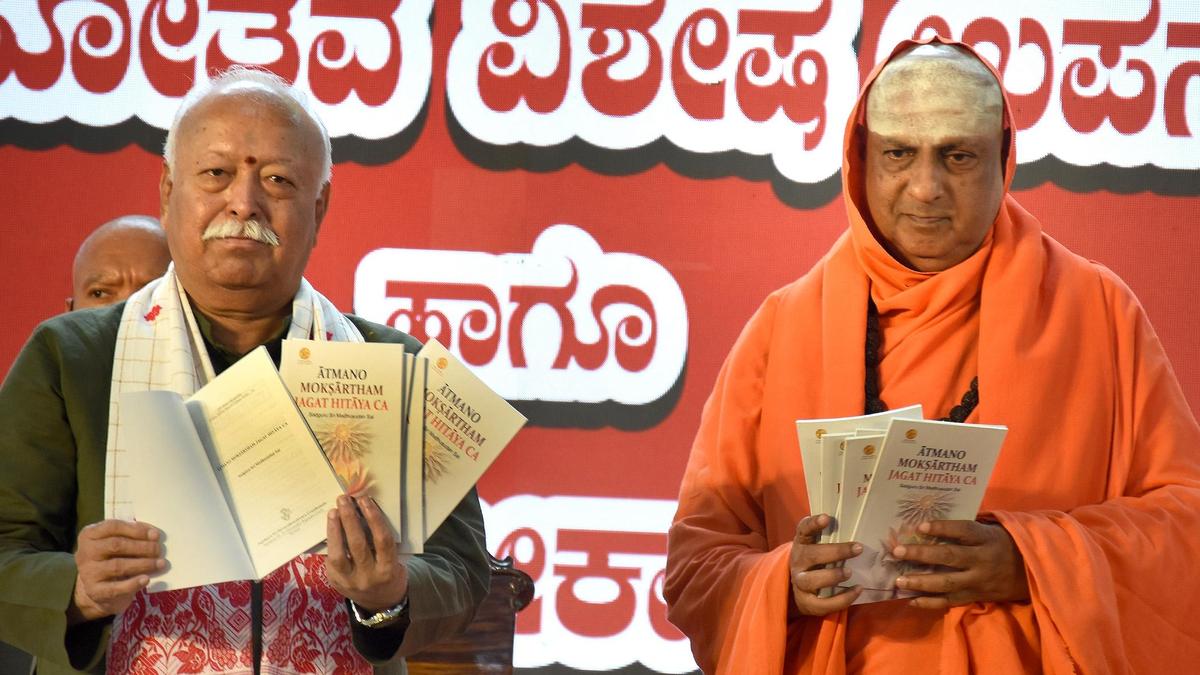
Addressing the audience during a lecture on “Social Harmony as a Catalyst of National Development” at JSS Mahavidyapeetha, Bhagwat said India currently enjoys the advantage of being a young nation, but the country must start planning for the next several decades when this demographic profile changes significantly.
“Today we are a nation of young people. But after 30 years, these young people will grow old. We have to think about how future generations will be supported and how many working hands the country will need,” he said while responding to questions from the audience.
Bhagwat suggested that policies related to population should not be driven only by short-term concerns. Instead, he said, governments must think ahead for the next 100 years, keeping in mind factors such as economic needs, women’s health and social stability.
Referring to India’s population policy and fertility rate discussions, he noted that demographic trends should be handled carefully and without discrimination. At the same time, he recalled how forceful population control measures during the Emergency period created public resentment and political backlash.
According to Bhagwat, the larger issue before the country is maintaining demographic balance while ensuring social cohesion and equal opportunities. He also called for greater awareness about responsible population policies through democratic and consensual methods.
During the interaction, Bhagwat also spoke about the Uniform Civil Code and expressed confidence that it would gradually gain acceptance across the country. Referring to states like Uttarakhand that have moved forward on the issue, he said democracy takes time and major reforms evolve through public participation.
On caste politics, the RSS chief said political parties often exploit caste identities because society itself continues to remain divided along caste lines. “If society rises above caste, politics will also change automatically,” he remarked.
Bhagwat also emphasised the importance of encouraging inter-caste marriages, saying such steps help reduce social barriers and strengthen unity. He cited historical examples where social reformers and leaders had openly supported such initiatives to create a more equal society.
Speaking on religious harmony, Bhagwat said all faiths ultimately seek truth, even if their paths are different. He warned that without harmony among communities and religions, societies risk internal conflict and instability.
“We must create an example of unity and harmony ourselves. India can guide the world only if it strengthens social cohesion within,” he said.
The lecture drew academics, social workers, students and public representatives, with discussions largely centred on social reform, national unity and India’s long-term developmental vision.