 By
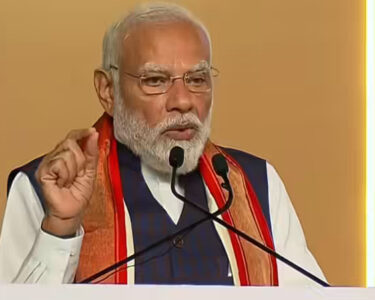
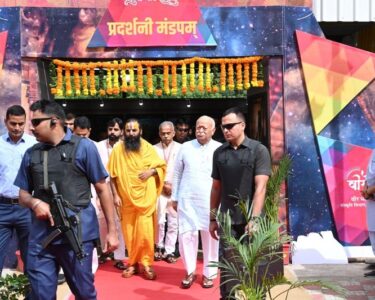
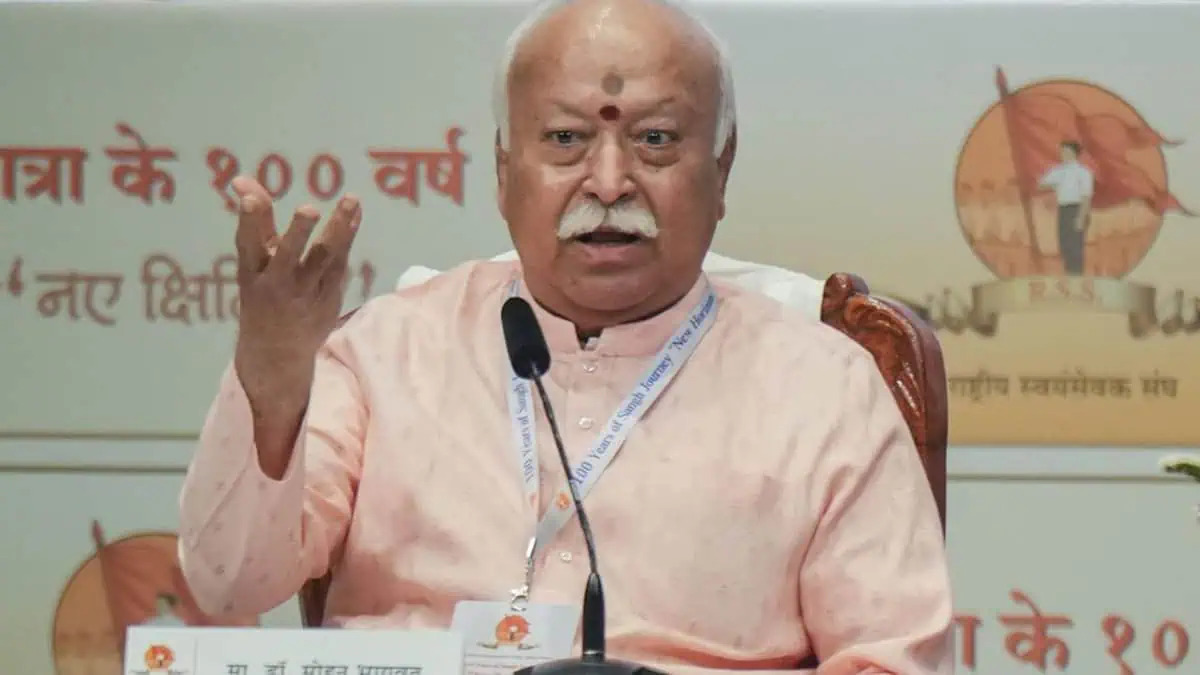
By Speaking at a public event in Mumbai, Mohan Bhagwat underscored the often-overlooked role of Scheduled Castes and tribal communities in safeguarding India’s cultural identity through centuries of upheaval. His remarks, delivered at the Karmayogi awards ceremony, brought attention to a narrative that places these communities at the centre of India’s civilisational continuity.
Bhagwat argued that despite repeated foreign invasions and social disruptions, it was these grassroots communities that quietly held on to the country’s traditions, values, and social fabric. According to him, while many sections of society faced displacement or transformation over time, the core ethos survived because of those who remained closely tied to it—even at significant personal cost.
Elaborating on this idea, the chief of the Rashtriya Swayamsevak Sangh said that India’s cultural strength lies in its collective sense of duty rather than individual gain. He described society as a “shared family,” where contributing to others’ well-being is not charity but responsibility. In his view, this principle has long defined what is broadly referred to as Indian or Hindu social thought.
Union Minister Nitin Gadkari, who was also present at the event, echoed the broader theme of nation-building through inclusive participation. The gathering itself focused on recognising individuals and initiatives contributing to social development, aligning with the message of collective responsibility.
Bhagwat also pointed out that, over time, certain sections of society—particularly the more urban and economically advanced—have grown distant from these foundational communities. This, he suggested, has created a gap that needs urgent attention. Bridging this divide, he said, is essential not just for social justice but for maintaining the country’s deeper identity.
He stressed that integrating SC and tribal communities into mainstream development must go beyond policy announcements. It should ensure equal access to opportunities, resources, and dignity, while also recognising their historical contribution to preserving India’s ethos.
Turning to the global context, Bhagwat noted that the world today appears to be struggling with imbalance and uncertainty. In such a scenario, he suggested, India has the potential to offer a stabilising perspective—one rooted in its civilisational values. However, he added that this role can only be fulfilled if the country strengthens its internal unity and inclusiveness.
At its core, Bhagwat’s message was both reflective and forward-looking: acknowledging the resilience of communities that have preserved India’s identity, while calling for a more integrated and equitable future. As debates around development and social cohesion continue, his remarks add another layer to the conversation on how India defines progress.