
 By
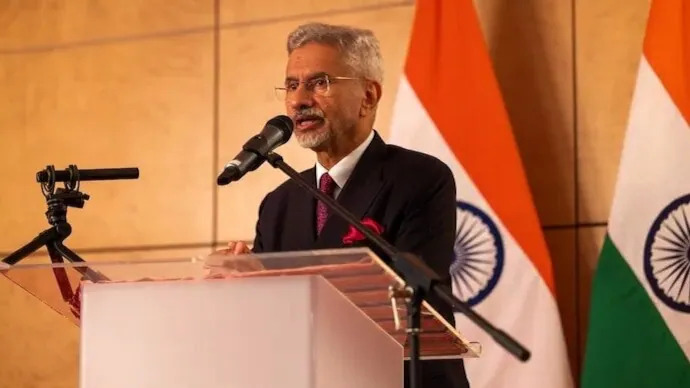
By External Affairs Minister S. Jaishankar made it clear during a high-level all-party meeting on the West Asia crisis that India will not function as a “broker nation” in global geopolitics, pushing back against concerns raised by Opposition leaders over Pakistan positioning itself as a mediator between the United States and Iran. His remarks came amid growing debate in Parliament about India’s diplomatic role as tensions in the region continue to escalate and impact global energy and security dynamics.
The meeting, held in Parliament and chaired by Defence Minister Rajnath Singh, brought together leaders from across political parties to discuss the implications of the ongoing conflict. Senior ministers including Home Minister Amit Shah, Finance Minister Nirmala Sitharaman, and Petroleum Minister Hardeep Singh Puri were present, alongside representatives from major Opposition parties. Government sources said Jaishankar underlined that Pakistan’s involvement as a communication channel between Washington and Tehran is not new and has existed in different forms for decades.
According to officials, the government also informed the Opposition that Prime Minister Narendra Modi had conveyed to US President Donald Trump the urgency of ending the war, noting that prolonged conflict is harming all sides, particularly countries dependent on stable energy routes. The focus of India’s diplomacy, Jaishankar reportedly said, remains on protecting national interests, ensuring energy supplies, and safeguarding millions of Indians living in Gulf countries.
The discussion gained urgency after Pakistan Prime Minister Shehbaz Sharif publicly offered to host talks between the US and Iran and expressed willingness to facilitate negotiations. Reports suggest Islamabad, along with other regional players, has been involved in backchannel efforts to reduce tensions, while maintaining communication with Iranian leadership.
Meanwhile, the United States signalled a possible diplomatic opening, with Trump indicating a temporary pause in potential strikes and hinting at ongoing conversations with Tehran. Iran, however, has publicly denied that any formal negotiations are underway and maintained a firm stance against engaging with Washington under current conditions. Israel, led by Prime Minister Benjamin Netanyahu, has also been closely monitoring developments and remains cautious about any potential agreement.
During the all-party meeting, the government defended its handling of the crisis, saying India has been actively engaging diplomatically and monitoring the situation closely. Officials emphasised that the safety of the Indian diaspora and the stability of fuel and fertiliser supplies remain top priorities. Opposition leaders, however, called for a detailed discussion in Parliament, arguing that India should take a more visible diplomatic role in shaping regional peace efforts.
The meeting highlighted the delicate balance India is trying to maintain—staying engaged internationally while avoiding direct involvement in mediation—at a time when global geopolitics is rapidly shifting and the West Asia crisis continues to test diplomatic strategies.