
 By
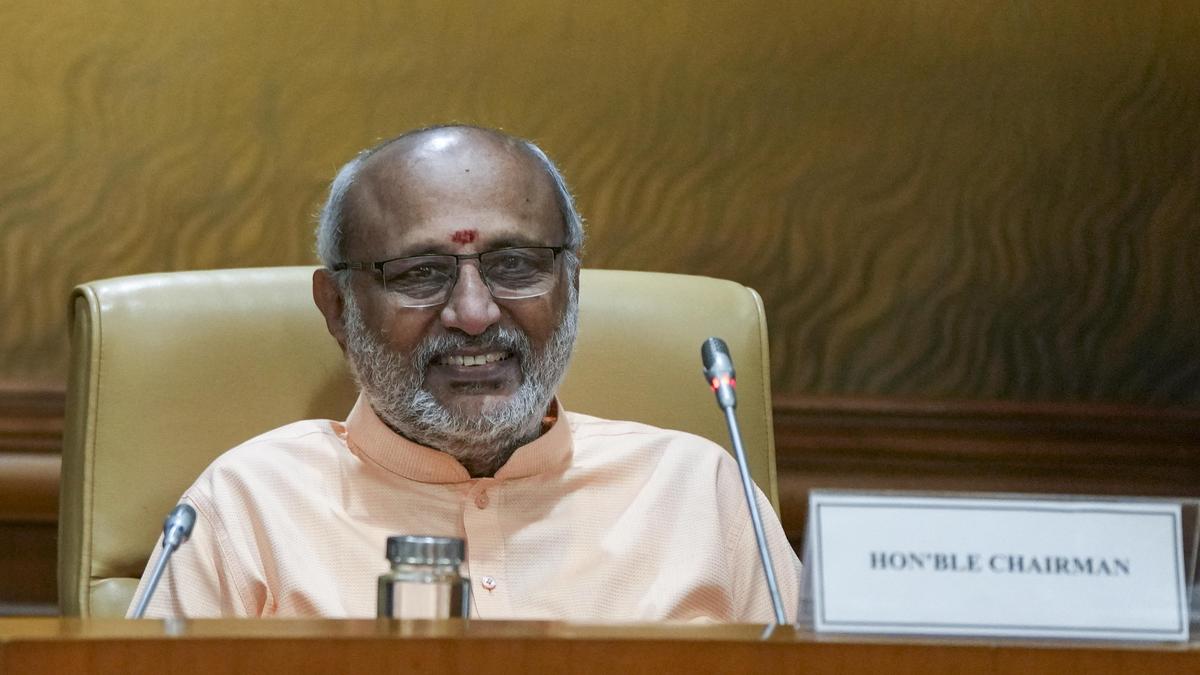
By In a significant political development, the strength of the Bharatiya Janata Party in the Rajya Sabha has increased after seven Members of Parliament from the Aam Aadmi Party formally merged with the ruling party. The move, acknowledged by Rajya Sabha Chairman C. P. Radhakrishnan, marks a notable shift in the Upper House’s political balance.
With this change, the BJP’s tally in the Rajya Sabha has risen to 113, further consolidating its position as the dominant force in the chamber. The development is being seen as a boost to the National Democratic Alliance’s legislative strength at a time when key policy decisions and reforms continue to be debated in Parliament.
Among those who switched sides is Raghav Chadha, along with six other MPs, including Ashok Mittal, Sandeep Pathak, Harbhajan Singh, Rajendra Gupta, Vikramjit Sahney, and Swati Maliwal. Their decision to align with the BJP was communicated to the Chairman through a formal letter seeking recognition of their merger.
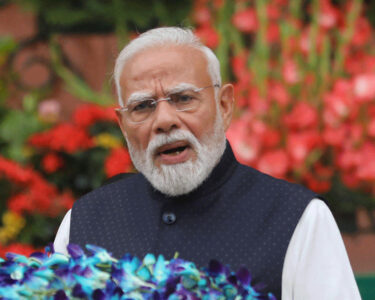
The move was quickly welcomed by Parliamentary Affairs Minister Kiren Rijiju, who praised the MPs for their conduct in Parliament and described their entry into the NDA as a step towards “nation building.” His remarks reflected the BJP’s effort to present the development as an endorsement of its governance model and leadership under Prime Minister Narendra Modi.
From the BJP’s perspective, the merger signals growing acceptance of its political approach among leaders from across party lines. Party insiders suggest that the decision of these MPs reflects a broader trend of leaders seeking alignment with what they see as a stable and development-focused leadership at the Centre.
However, the development has also triggered a strong reaction from the AAP leadership. Senior party leader Sanjay Singh has challenged the move, filing a petition seeking disqualification of the seven MPs under the anti-defection law. He argued that the merger violates constitutional provisions and said the party may approach the courts if its concerns are not addressed.
Despite the objections, the authority to decide on such matters rests with the Rajya Sabha Chairman, whose decision to accept the merger has already reshaped the House’s composition. Leaders from the Indian National Congress also criticised the development, though the BJP has maintained that the process followed established parliamentary norms.
As the political dust settles, the immediate impact is clear: the BJP has strengthened its position in the Upper House, potentially easing the path for legislative business. Beyond numbers, the episode underscores the evolving dynamics of Indian politics, where alignments continue to shift in response to changing political realities.