
 By
By The 2026 West Bengal election results are being seen as more than just a political victory—they mark a deeper shift in how the state votes and what drives its electoral choices. At the heart of this transformation lies years of sustained grassroots work by organisations linked to the Rashtriya Swayamsevak Sangh, which appears to have played a crucial role in reshaping the political narrative on the ground.
For decades, West Bengal’s politics revolved largely around ideological loyalty and regional identity, with limited emphasis on broader cultural consolidation. That pattern, however, has gradually evolved. The recent outcome suggests that a new kind of voter alignment—cutting across caste, class, and local divides—has begun to take shape, benefiting the Bharatiya Janata Party in a state where it once struggled to gain a foothold.
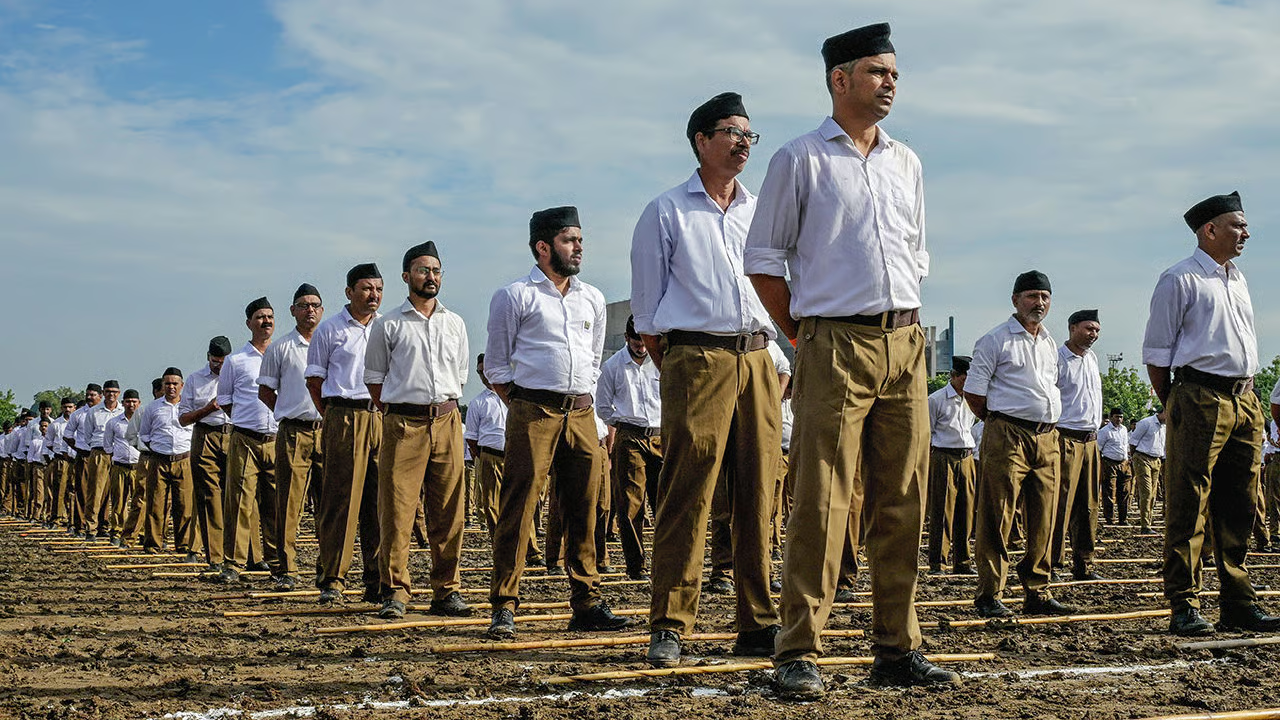
This shift did not happen overnight. It is the result of a long-term, low-profile outreach model that focused on direct engagement rather than headline-driven campaigning. Thousands of small, local meetings were organised across districts, often away from the glare of mainstream politics. These interactions aimed at connecting with communities on everyday concerns—identity, security, economic aspirations, and cultural pride.
What stands out is the scale and consistency of this effort. Over time, networks expanded to include students, women, labour groups, and tribal communities, creating a broad-based connect. Instead of relying solely on large rallies, the strategy emphasised sustained dialogue at the grassroots level, building trust over years rather than weeks.
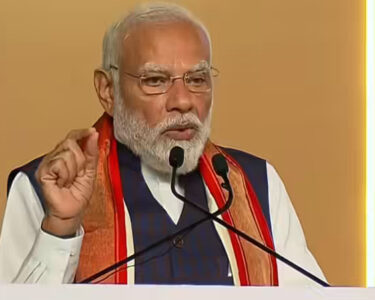
The historical connection of Bengal with Syama Prasad Mookerjee, founder of the Bharatiya Jana Sangh, has also found renewed political relevance. For many within the BJP ecosystem, the current victory is seen as a symbolic return to those roots—an emotional as well as political milestone. Prime Minister Narendra Modi echoed this sentiment, describing the moment as a significant chapter in the party’s journey.
Analysts note that one of the key factors behind the BJP’s rise has been its ability to unify diverse voter segments under a broader narrative of development and identity. By addressing both economic concerns and cultural sentiments, the party managed to bridge traditional divides that had long shaped Bengal’s electoral behaviour.
The outcome also signals a shift in campaign dynamics. Instead of short-term mobilisation, long-term social engagement appears to have played a decisive role. This model—quiet, persistent, and deeply localised—may well influence how future elections are fought not just in Bengal, but across other states as well.
As the BJP prepares to translate this electoral success into governance, expectations are high. Voters who backed this shift will now be watching closely to see how promises of development, inclusivity, and stability are delivered on the ground.