
 By
By Buoyed by the BJP’s landmark victory in West Bengal, the Rashtriya Swayamsevak Sangh (RSS) is now expected to sharpen its grassroots outreach in Karnataka as political attention slowly shifts toward the 2028 Assembly elections.
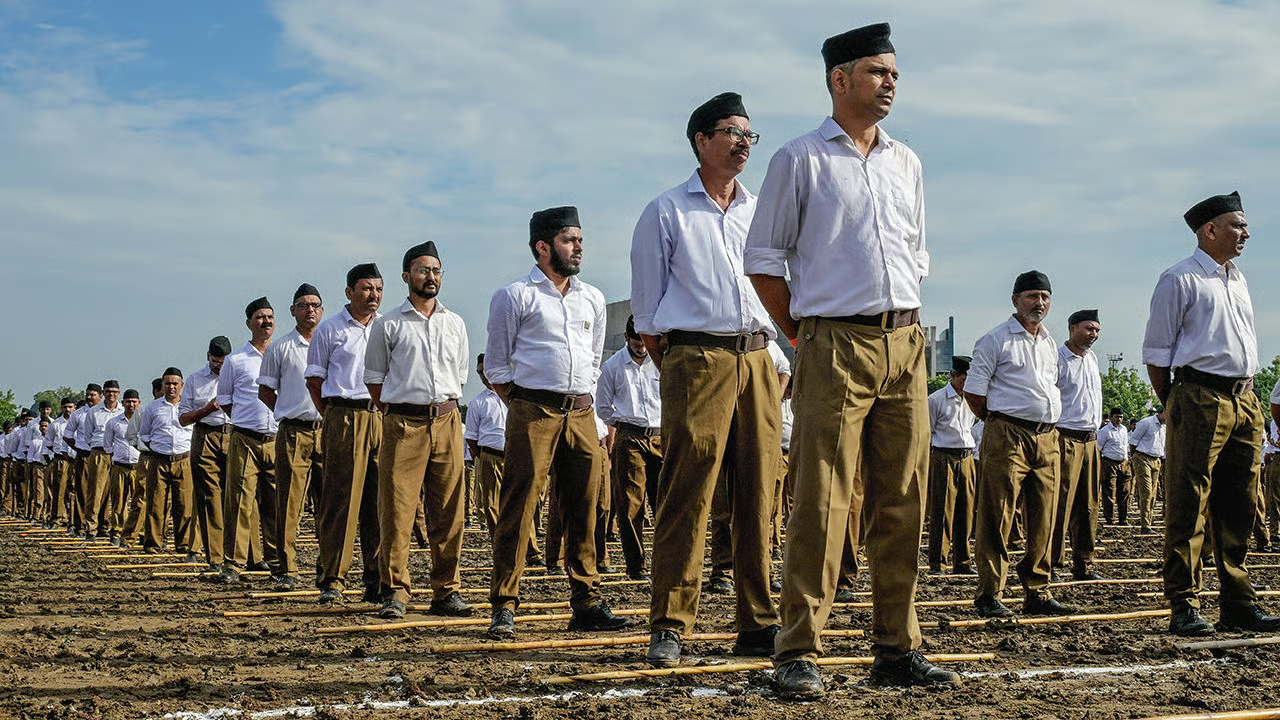
The Sangh, which is celebrating its centenary year, has already begun expanding organisational activities across Karnataka through social campaigns, training programmes and community outreach initiatives. Political observers believe the growing coordination between the RSS network and BJP cadre could play a significant role in strengthening the party’s position in the southern state over the next two years.
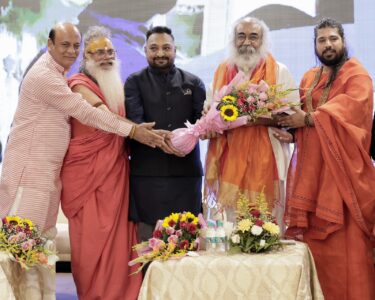
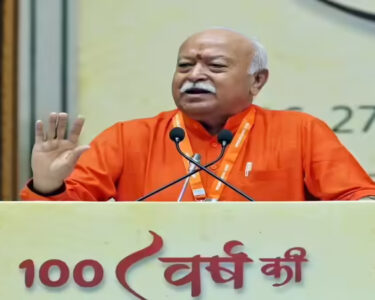
Recent visits by Mohan Bhagwat to Karnataka have further fuelled discussions around the Sangh’s deeper engagement in the region. Bhagwat recently attended programmes in Mysuru, including an event at Suttur Mutt, besides participating in training sessions involving swayamsevaks from Karnataka, Telangana and Andhra Pradesh.
RSS functionaries, however, maintain that the organisation’s activities are not politically driven. According to senior Sangh members, the focus remains on social harmony, family values, civic discipline, environmental awareness and promoting swadeshi ideals.
Still, BJP leaders and political analysts believe the organisational groundwork laid by the RSS often helps create stronger voter connect at the booth level. The Bengal election result is being viewed within BJP circles as an example of how sustained outreach and ideological mobilisation can reshape political equations over time.
In West Bengal, the BJP made significant gains among Scheduled Caste and Scheduled Tribe communities, winning a majority of reserved seats. Karnataka’s political landscape, analysts say, may also witness sharper mobilisation around SC and ST issues in the coming years.
The ruling Congress government in Karnataka has faced criticism from sections of Dalit and tribal communities despite introducing internal reservation measures for SC groups. The removal of senior tribal leaders like B. Nagendra and K. N. Rajanna from the cabinet had also triggered discontent in some regions.
Within the BJP, leaders such as Chalavadi Narayanaswamy have already begun strengthening outreach among Dalit communities. Sources in the party indicate that social representation and leadership issues could become major themes as the 2028 election approaches.
The BJP is also expected to aggressively highlight what it calls “appeasement politics” by the Congress, particularly after recent political debates around welfare schemes targeted at minority communities.
For now, the RSS continues to project its activities as social and cultural initiatives. But with Karnataka remaining one of the BJP’s most important southern strongholds, the Sangh’s expanding presence is likely to remain politically significant in the run-up to the next Assembly battle.