
 By
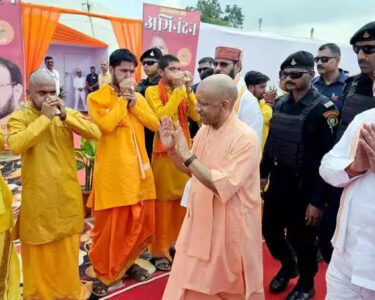
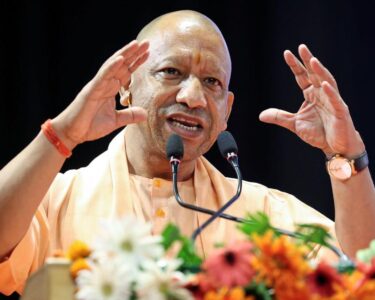
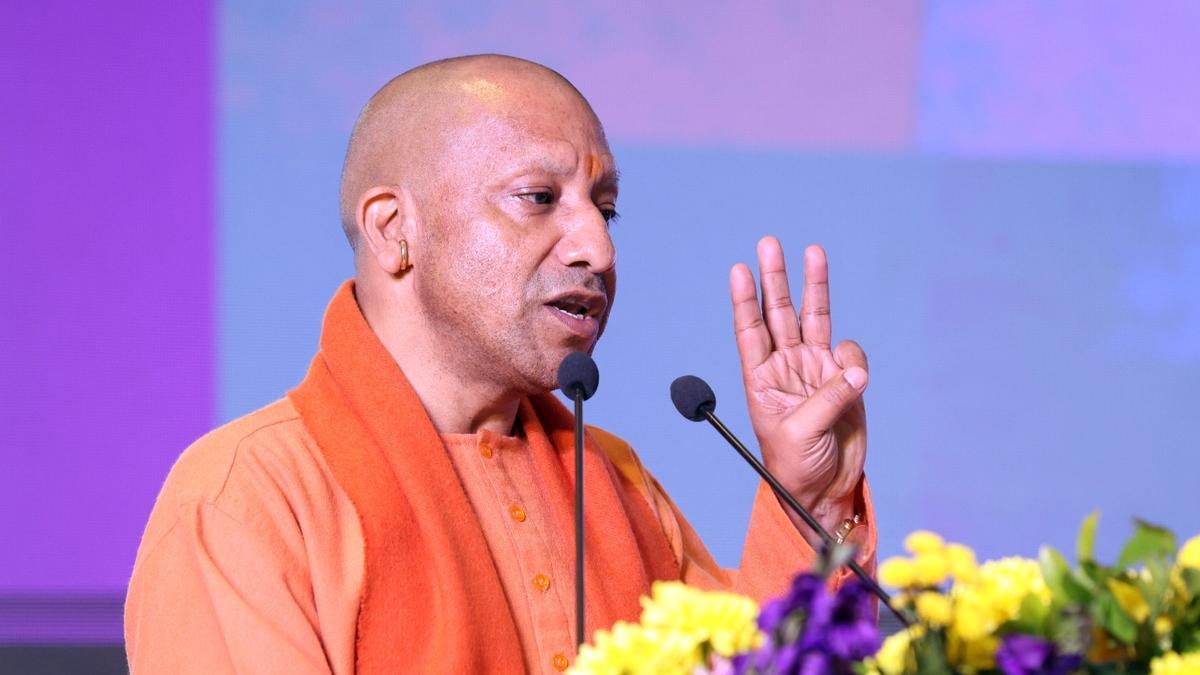
By Uttar Pradesh Chief Minister Yogi Adityanath has called on medical institutions to prepare for the healthcare challenges of tomorrow rather than simply expanding their infrastructure. Addressing the sixth foundation day of Ram Manohar Lohia Institute of Medical Sciences (RMLIMS) in Lucknow on Sunday, he urged doctors and medical researchers to remain “10 steps ahead” of changing disease patterns and strengthen research, diagnosis and advanced treatment.
The Chief Minister said the next phase of healthcare development in Uttar Pradesh should focus on making specialised treatment more accessible and reducing waiting times for critical procedures. He particularly pointed to the long queues for kidney transplants, saying that improving access to advanced treatment was now a bigger challenge than funding alone.
During the event, Adityanath inaugurated RMLIMS’s new organ transplant centre, a 40-bed emergency ward and an MRI facility. He said the institute had undergone a major transformation, growing from a 20-bed hospital into a 1,400-bed tertiary-care and medical education institution.
According to the Chief Minister, the expansion of infrastructure must now be matched by investment in research, innovation and technology. He stressed that medical institutions should not limit themselves to providing treatment but should also develop the capacity to anticipate emerging health problems and respond to them quickly.
Focus on Transplant Services
The newly established transplant centre is expected to provide significant relief to patients from eastern Uttar Pradesh who currently travel to Lucknow for kidney transplant procedures. While dialysis services have expanded across the state, access to transplantation remains a challenge for many patients.
Adityanath said transplant services at the institute should eventually extend beyond kidneys to include bone marrow, liver and other organs. A bone marrow transplant facility, he said, is also expected to become operational soon.
He argued that the healthcare system must focus on shortening waiting periods and expanding access to advanced procedures so that patients do not have to travel long distances or wait excessively for life-saving treatment.
Indian Medical Data and AI Need Greater Focus
The Chief Minister also raised the issue of medical research based on Indian patient data. He called for greater efforts to preserve, analyse and use the country’s medical data within India rather than allowing research using such data to be driven primarily by Western institutions.
He pointed to initiatives such as the MedTech Centre of Excellence being developed with IIT-Kanpur, the Centre of Excellence at SGPGI, the Medical Device Park and the Pharma Park as part of Uttar Pradesh’s broader push towards medical research and technology.
Artificial intelligence, he said, could also become an important tool in healthcare, particularly as medical institutions seek better diagnostic and treatment capabilities.
Uttar Pradesh Expands Medical Education
Adityanath also highlighted the expansion of medical education in the state. He said Uttar Pradesh had increased its total number of medical colleges from 41 in 2017 to 85, while MBBS seats had risen from 4,690 to 13,600.
The number of government medical colleges has increased from 15 to 45, with government MBBS seats rising from 1,990 to 5,350. Private medical colleges have grown from 21 to 40, while private MBBS seats have increased from 2,700 to 8,250.
He also said around 9.5 lakh of the state’s 16.5 lakh government employees had been recruited during the past nine-and-a-half years.
Recalling an earlier visit to RMLIMS, the Chief Minister said the neurosurgery department had sought a Gamma Knife facility. He noted that the facility is now being implemented.
He also highlighted the institute’s STEMI Care programme, under which patients suffering acute heart attacks are receiving treatment across 10 districts.
Brajesh Pathak Criticises Previous Government
Deputy Chief Minister Brajesh Pathak said RMLIMS had established a distinct position in Uttar Pradesh and beyond within six years. He said the state was now training more than 12,500 doctors annually, compared with around 5,000 earlier, while the number of MD and MS seats had also increased substantially.
Pathak also criticised the previous Samajwadi Party government, alleging that contracts at institutions were awarded to relatives and associates of influential individuals.
During the programme, Chief Minister Yogi Adityanath distributed appointment letters to newly recruited healthcare workers. The institute’s annual progress report was also released along with two books—Sahi Jankari Sahi Dekhbhal by Dr Ajay Kumar Verma and Critical Care Falls by Dr SS Nath. Outstanding performers were also honoured.
Minister of State Mayankeshwar Sharan Singh, Additional Chief Secretary Amit Kumar Ghosh, RMLIMS Director Dr CM Singh, Dean Dr Rajan Bhatnagar and Chief Medical Superintendent Dr Vikram Singh were among those present.