
 By
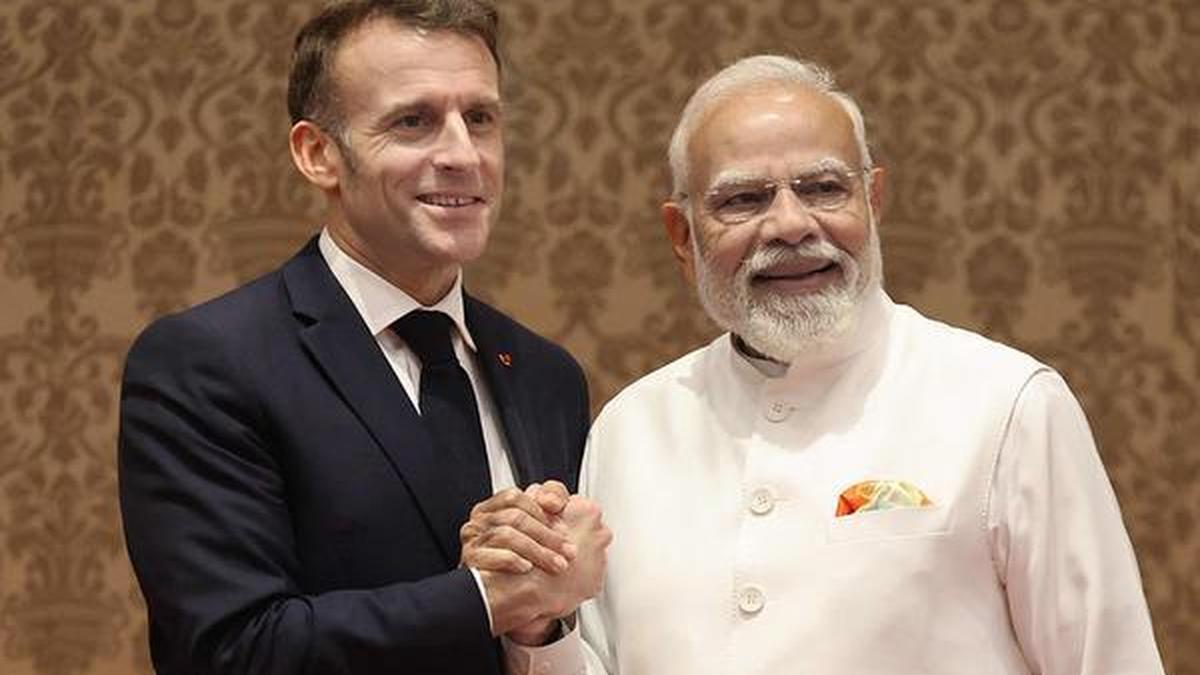
By India and France appear set to take their strategic partnership into a new phase, with Paris indicating that future defence collaborations will be built around local manufacturing, technology cooperation, and joint development. The message comes just ahead of Prime Minister Narendra Modi’s visit to France for the G7 Summit, where he is expected to hold key discussions with French President Emmanuel Macron.
The development is particularly significant as India moves forward with one of its largest defence acquisition plans — the proposed purchase of 114 Rafale fighter jets for the Indian Air Force. French officials have suggested that any future agreement would go beyond a traditional buyer-seller arrangement and align closely with India’s ambition to strengthen domestic defence production under the ‘Make in India’ initiative.
Diplomatic sources in France said the next generation of defence cooperation between the two countries is being envisioned as a partnership rooted in industrial collaboration, local manufacturing, and technology sharing. The emphasis, they said, is on creating long-term capabilities within India rather than limiting cooperation to the supply of military hardware.
The proposed Rafale programme, estimated to be worth around ₹3.25 lakh crore, is expected to feature a higher level of participation from Indian companies. Officials indicated that integration of indigenous systems, greater industrial involvement, and local production would form key elements of the framework being discussed.
French sources also described the evolving partnership as one based on equality and mutual trust. Over the years, defence ties between New Delhi and Paris have expanded steadily, covering fighter aircraft, submarines, space cooperation, and maritime security. The latest discussions suggest both sides are now looking at deeper technological integration and co-development opportunities.
Beyond defence, civil nuclear energy is likely to be another major agenda item during the Modi-Macron meeting. French companies are currently engaged with Indian stakeholders to explore future nuclear energy projects, particularly after recent policy and legislative developments in India. Officials expressed optimism that concrete progress could emerge in the coming months.
Another area attracting attention is the Future Combat Air System (FCAS), Europe’s ambitious sixth-generation fighter aircraft programme. France has indicated that India’s participation remains a possibility if New Delhi formally pursues the proposal.
India had previously conveyed its interest in joining the programme during high-level defence discussions earlier this year. Defence Minister Rajnath Singh had raised the issue with his French counterpart, highlighting India’s willingness to contribute to the co-development and co-manufacturing of advanced combat platforms.
As Prime Minister Modi prepares for talks with President Macron, the focus is expected to remain on transforming the India-France relationship from a defence procurement partnership into a broader strategic alliance centred on technology, manufacturing, innovation, and long-term industrial cooperation. The outcome of these discussions could play an important role in shaping India’s future defence capabilities and strengthening its position as a global manufacturing hub.