
 By
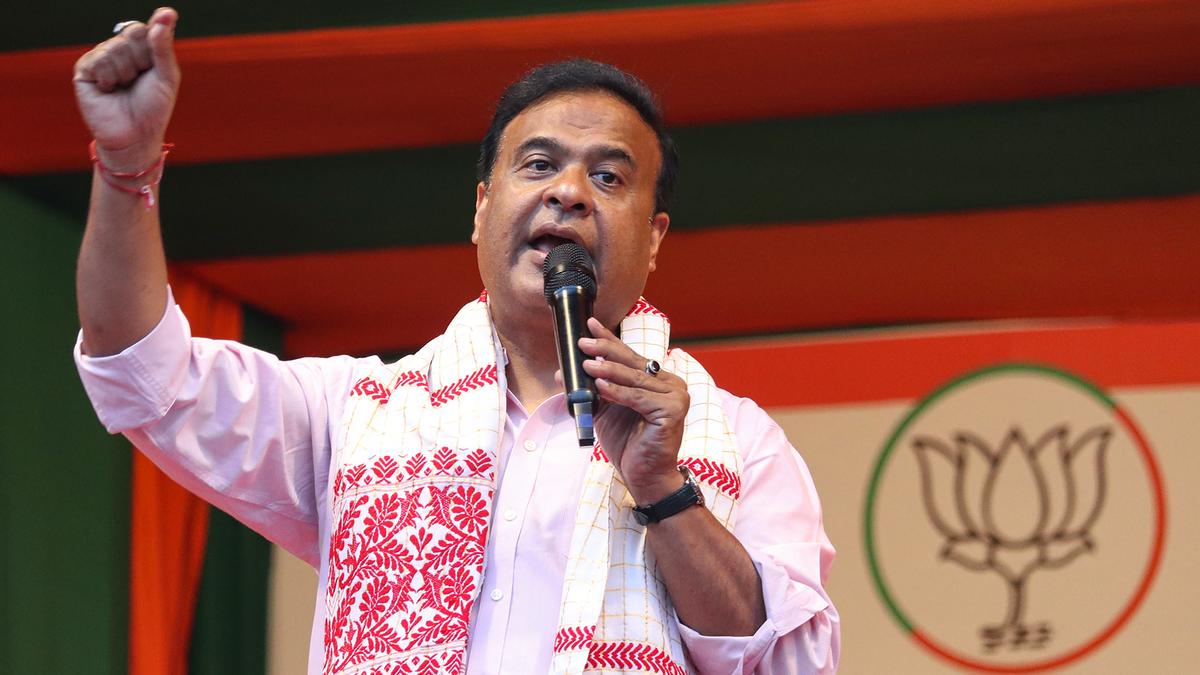
By Assam Chief Minister Himanta Biswa Sarma has come out strongly in support of BJP workers in West Bengal, promising firm action against those involved in alleged attacks on party candidates during the ongoing Assembly elections. His remarks, delivered in a charged political atmosphere, underline the BJP’s attempt to position itself as both assertive and protective of its grassroots cadre.
Speaking ahead of the results scheduled for May 4, Sarma expressed confidence that the Bharatiya Janata Party will emerge victorious in the state. He framed the election not just as a contest for power, but as a moment of accountability for what the party describes as politically motivated violence against its workers.
Sarma’s comments reflect a broader narrative the BJP has been building in Bengal—that its cadre have faced repeated intimidation and attacks on the ground. By taking a firm stand, the Assam Chief Minister signalled that the party leadership intends to stand firmly behind its workers and ensure that such incidents do not go unanswered.
At the same time, his remarks also carried a message of political confidence. Sarma suggested that a BJP government in West Bengal would bring a shift in governance, one that prioritises law and order and ensures a safer environment for political participation. The emphasis, he indicated, is on restoring what the party calls a level playing field in the state’s political landscape.
In addition to his comments on Bengal, Sarma also praised bureaucrat Gyanesh Kumar for his role in electoral processes, describing his work as noteworthy. While the remark drew attention, it also highlighted the BJP’s attempt to spotlight administrative efforts linked to electoral transparency and reform.
The timing of Sarma’s statement is significant. West Bengal has witnessed high voter turnout in the initial phase of polling, alongside isolated incidents of violence—issues that have become central talking points in the campaign. BJP leaders have repeatedly argued that such incidents reinforce the need for stronger governance and institutional accountability.
Within the party, Sarma is seen as one of the more vocal campaigners, often taking an aggressive line to energise the cadre. His statement is likely to resonate with party workers on the ground, particularly in closely contested constituencies where organisational morale can play a crucial role.
As the election heads toward its final stages, the BJP’s messaging appears to be combining confidence with confrontation—projecting electoral optimism while sharply calling out alleged irregularities. Whether this strategy translates into electoral gains will become clear on counting day, but for now, leaders like Sarma are ensuring that the party’s stance remains both visible and assertive.