
 By
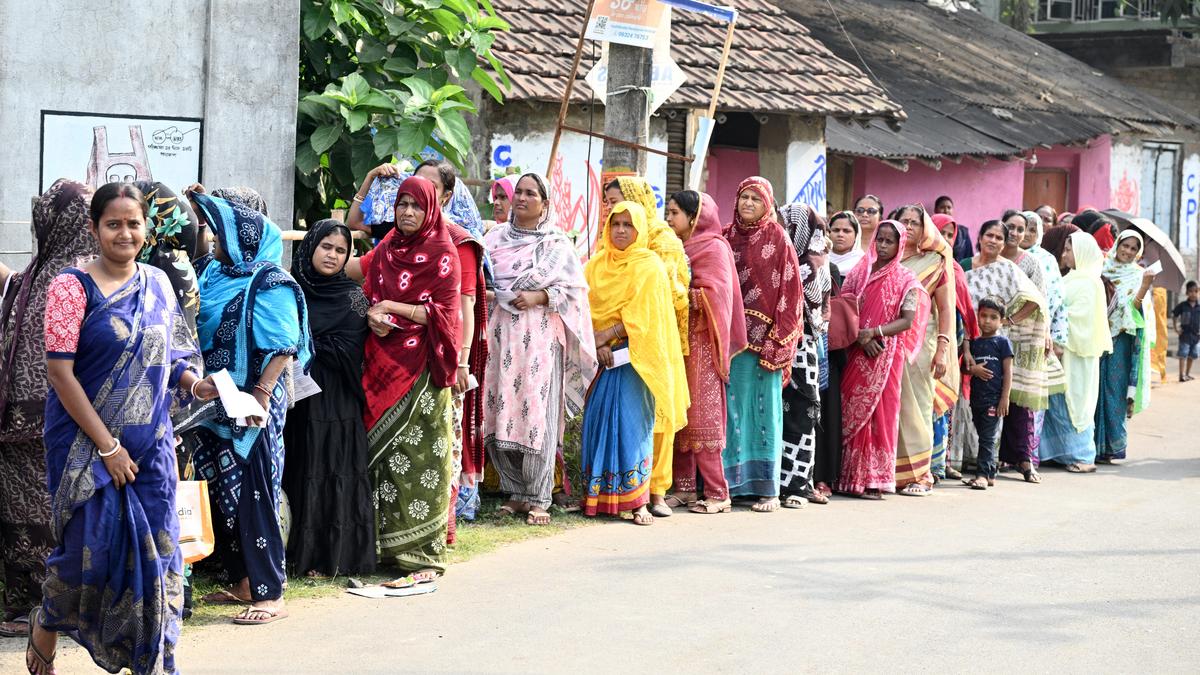
By West Bengal witnessed an exceptionally high voter turnout in the first phase of its 2026 Assembly elections, with over 92% of eligible voters casting their ballots. The impressive participation marks the highest polling recorded in the state’s electoral history, reflecting strong voter engagement despite scattered reports of unrest.
The voting, held across 152 constituencies, sets the tone for what is shaping up to be a closely watched election. Officials indicated that the turnout figure—currently estimated at 92.03%—could climb slightly once final numbers are compiled. For a state often defined by intense political competition, such a high turnout suggests that voters across regions are keen to make their voices heard.
Several districts stood out for their remarkable participation levels. Dakshin Dinajpur led with nearly 95% turnout, followed closely by Cooch Behar and Birbhum, both crossing the 93% mark. Even Murshidabad, which had seen significant revisions in its electoral rolls in recent months, reported turnout exceeding 93%, indicating that voter enthusiasm remained strong despite administrative changes.
This election comes after a detailed revision of electoral rolls, which reduced the number of registered voters by around 12%. While such a move often raises concerns about participation, the turnout figures suggest that the exercise did not dampen public interest in the polls.
However, the polling day was not entirely without incident. There were isolated reports of violence in a few constituencies, underlining the persistent challenges of conducting elections in politically sensitive areas. In Dakshin Dinajpur, a candidate from the Bharatiya Janata Party was allegedly attacked while visiting a polling booth, highlighting tensions on the ground.
In Murshidabad, a separate confrontation broke out involving supporters of the All India Trinamool Congress and local police during the visit of a regional political leader. Authorities have taken note of complaints that some voters were prevented from casting their ballots, and the Election Commission of India has reportedly sought detailed reports on these allegations.
Despite these incidents, polling largely proceeded peacefully across the majority of constituencies, with security arrangements in place to manage the large turnout. The scale of participation is also significant given that more than 1,400 candidates are in the fray in this phase alone.
Attention now shifts to the second phase of polling scheduled for April 29, which will cover the remaining 142 seats, including key constituencies in and around Kolkata. With counting set for May 4, the results of this election will depend not only on political strategies but also on whether such high voter turnout continues in the next phase.
For now, the first phase has delivered a clear message: voters in West Bengal are highly engaged, and their participation could play a decisive role in shaping the state’s political future.