
 By
By As the conflict in West Asia continues to disrupt global energy markets, Prime Minister Narendra Modi has urged Indians to adopt a more responsible and cautious lifestyle to help the country navigate rising fuel prices and economic uncertainty. His appeal, made during a public event in Hyderabad, focused on reducing unnecessary fuel consumption, limiting non-essential foreign travel and cutting avoidable imports such as gold.
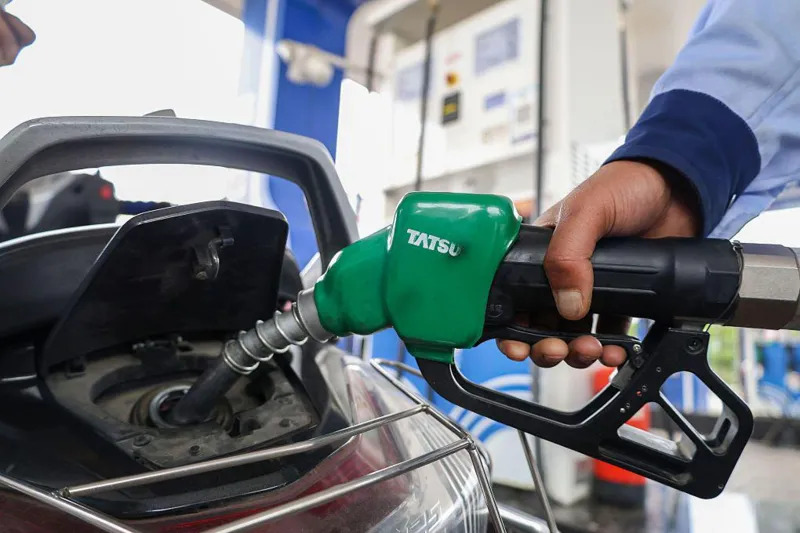
The Prime Minister’s message comes at a time when India, like many major economies, is facing pressure from surging crude oil prices due to the prolonged Iran conflict and disruptions around the Strait of Hormuz — one of the world’s most critical oil supply routes. With India importing nearly 90% of its crude oil needs, the impact on the economy has become increasingly visible.
PM Modi asked citizens to use public transport wherever possible, avoid wasteful fuel consumption and embrace work-from-home practices when feasible. According to government officials, the appeal is part of a larger effort to protect India’s foreign exchange reserves and reduce pressure on the rupee during a period of global instability.
Economists say the Prime Minister’s remarks reflect an attempt to prepare the country early rather than wait for a full-blown economic shock. Rising oil prices have already pushed up transportation costs, airfares and industrial expenses across several sectors.
The government is also closely watching gold imports, which traditionally place heavy pressure on India’s foreign exchange outflow. In recent weeks, import duties on gold and silver were increased to discourage excessive buying and conserve dollars.
Despite global concerns, the Centre has repeatedly maintained that there is no shortage of fuel in the country. Petroleum Minister Hardeep Singh Puri recently assured citizens that India’s energy supplies remain stable, even as international markets remain volatile.
Experts believe India is currently in a much stronger position than during earlier economic crises. The country’s foreign exchange reserves remain among the highest in the world, giving policymakers room to manage temporary shocks. However, officials are also aware that prolonged global uncertainty could increase inflation and weaken the rupee further if corrective measures are delayed.
Several analysts noted that PM Modi’s appeal carries a broader message of collective responsibility. Instead of imposing harsh restrictions, the government is encouraging voluntary participation from citizens to reduce unnecessary consumption and support economic stability.
The Prime Minister has frequently emphasised energy security and self-reliance through initiatives such as solar power expansion, ethanol blending and electric mobility. Government sources say these long-term reforms are now helping India better withstand global disruptions compared to many other developing economies.
While opposition parties criticised the remarks, supporters of the government argued that PM Modi’s approach reflects transparent leadership during a difficult global situation. Many economists also believe that encouraging responsible consumption now could help India avoid harsher economic adjustments later.