

 By
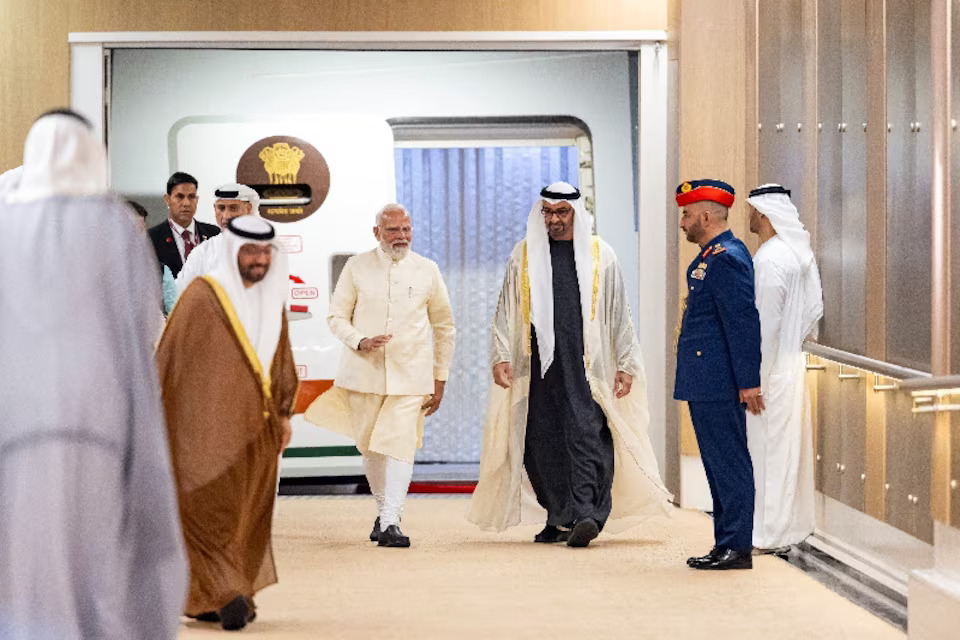
By India and the United Arab Emirates on Friday took major steps to deepen their strategic partnership, signing a series of agreements focused on defence cooperation, energy security and long-term economic collaboration during Prime Minister Narendra Modi’s visit to Abu Dhabi.
The visit comes at a crucial time as global energy markets continue to face uncertainty due to the ongoing conflict involving Iran and disruptions in the Gulf region. Against this backdrop, New Delhi and Abu Dhabi signalled their intention to work more closely on both security and economic stability.
One of the key outcomes of the visit was the agreement to move forward with a strategic defence partnership framework. According to officials, the two countries will expand cooperation in areas such as defence manufacturing, maritime security, cyber defence, military training, joint exercises and advanced technologies.
The growing defence engagement reflects the rapidly evolving relationship between India and the UAE, which has transformed from a traditional trade partnership into a broader strategic alliance over the past few years.
Apart from defence, energy security remained at the centre of the discussions. India and the UAE signed important agreements related to strategic petroleum reserves and the supply of liquefied petroleum gas (LPG), aimed at strengthening India’s energy preparedness amid global volatility.
Abu Dhabi National Oil Company (ADNOC) announced plans to explore increasing crude oil storage in India by up to 30 million barrels. The proposal is expected to significantly boost India’s emergency energy reserves and reduce supply risks during global disruptions.
The two sides are also exploring crude storage cooperation in Fujairah, one of the world’s key energy hubs, as part of India’s long-term strategic reserve planning.
In another major development, ADNOC and Indian Oil Corporation are expected to expand LPG supply and trading cooperation. Energy experts believe such agreements will provide India with more stable and diversified fuel supplies at a time when global markets remain unpredictable.
Speaking on the growing partnership, ADNOC Managing Director Sultan Ahmed Al Jaber described India as one of the world’s fastest-growing energy markets and said the India-UAE energy relationship would become even more important in the coming years.
Officials also highlighted growing UAE investments in India across banking, infrastructure and technology sectors. Investments worth nearly $5 billion were discussed during the visit, including earlier major deals involving Emirates NBD and Abu Dhabi-based investment firms.
Diplomatic observers say the visit also carries strategic importance in the changing geopolitical environment of West Asia. India has been carefully balancing its ties across the region while ensuring energy security and protecting economic interests.
PM Modi’s visit underlined New Delhi’s broader push to strengthen partnerships with trusted allies in the Gulf, especially at a time when global trade routes and energy supplies remain under pressure.