
 By
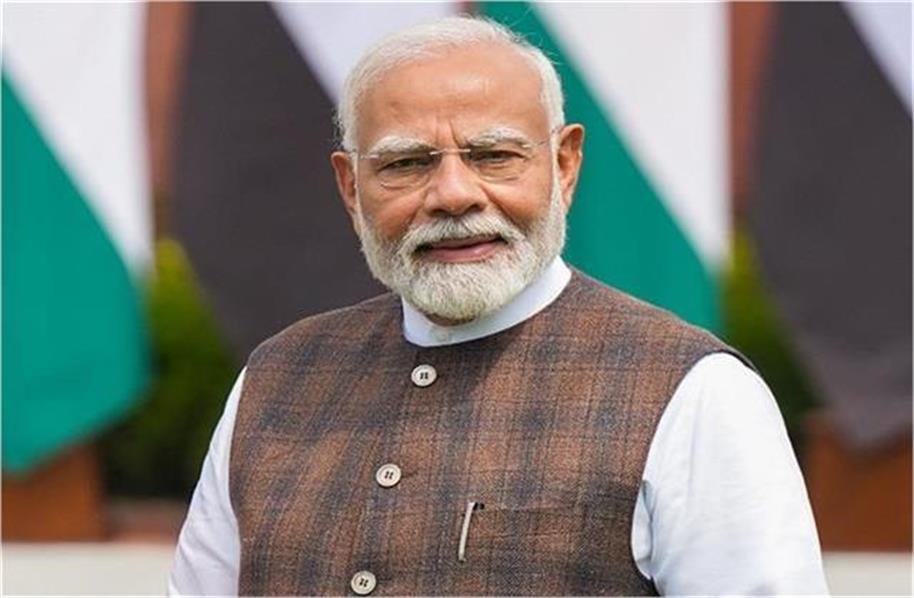
By A landmark moment in India’s railway journey is set to unfold on July 17, when Prime Minister Narendra Modi will inaugurate the country’s first hydrogen-powered passenger train from Haryana’s Jind district. Adding a memorable touch to the historic event, 200 school students from Jind will travel alongside the Prime Minister during the train’s inaugural run, making them part of a milestone in India’s clean energy transition.
The launch is being seen as more than just the introduction of a new train. It represents India’s growing focus on sustainable transport, indigenous innovation, and environmentally friendly technology. The participation of schoolchildren is intended to inspire the younger generation to learn about green energy and scientific progress.
According to railway and education department officials, the students will be selected from five schools in the Jind region. To identify participants, schools are organising essay and drawing competitions on the theme “Hydrogen Energy and Viksit Bharat (Developed India).” Students from Classes VII and VIII will compete, and the winners are expected to be recognised during the inauguration ceremony. Teachers will accompany the selected students throughout the journey.
Special arrangements are being made to ensure smooth movement and security during the event. The inaugural journey will begin from Jind Railway Station, where the selected students will board the hydrogen-powered train with the Prime Minister. The train will travel up to Pandu Pindara railway station, after which the students will return to Jind by buses arranged by the administration as part of the event’s security and logistics plan.
The hydrogen-powered train has been designed and developed in India and will operate on the Jind–Sonipat railway section. Unlike conventional diesel-powered trains, the hydrogen train runs on clean fuel technology, producing only water vapour as its primary emission. The project is expected to significantly reduce carbon emissions and promote eco-friendly public transportation.
With the launch of this service, India joins a select group of countries, including Germany, Japan, and China, that have introduced hydrogen-powered rail technology. Railway officials believe the initiative marks an important step toward modernising India’s transport network while supporting the country’s long-term climate and sustainability goals.
The July 17 programme will also include the inauguration of the newly developed Amrit Bharat railway stations at Jind and Narwana. These upgraded stations are part of the Centre’s broader effort to modernise railway infrastructure and improve passenger amenities across the country.
The event is expected to draw significant public attention, with extensive administrative and security preparations underway ahead of the Prime Minister’s visit.