
 By
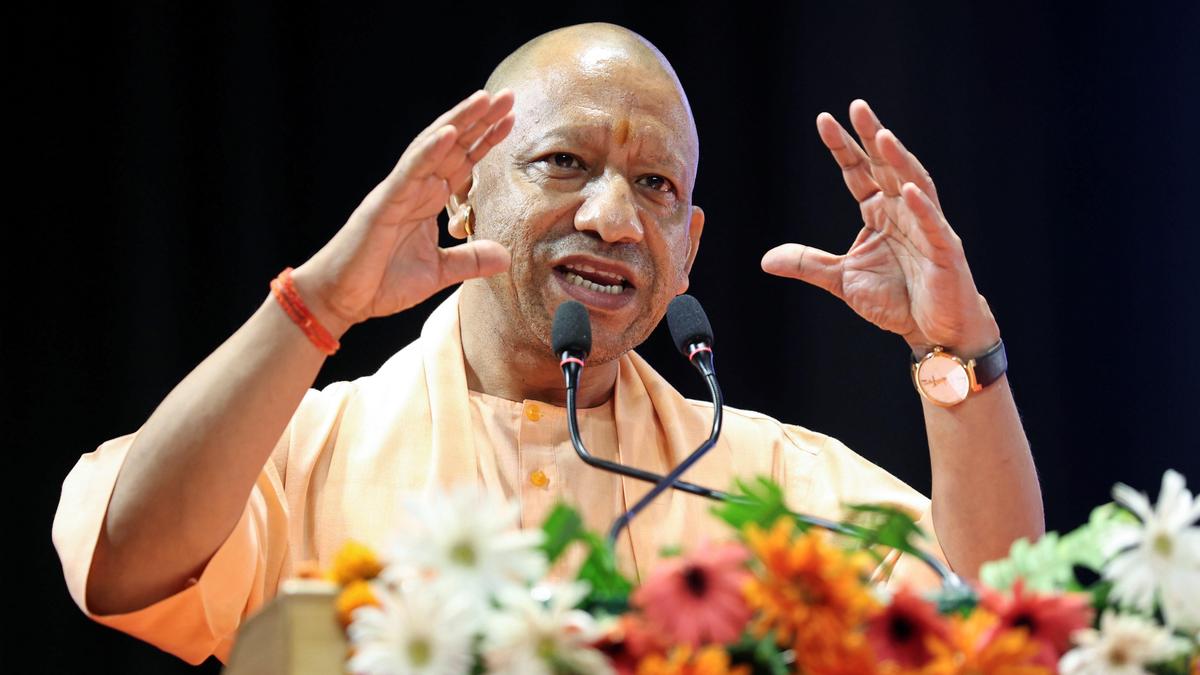
By Uttar Pradesh Chief Minister Yogi Adityanath has directed hospitals across the state to step up preparedness amid concerns over swine flu, asking health officials to closely monitor the situation and ensure that medical facilities are ready to respond to any rise in cases.
The Chief Minister has instructed district administrations and health department officials to maintain heightened vigilance and regularly assess healthcare arrangements. Hospitals have been asked to keep isolation facilities operational and maintain adequate stocks of medicines and testing kits so that suspected cases can be identified and treated without delay.
Hospitals told to maintain round-the-clock preparedness
Yogi Adityanath directed officials to conduct regular reviews of swine flu cases in their respective districts. The administration has also been asked to ensure that there is no gap in patient care or emergency preparedness.
Officials have been told to immediately inform the state government if there is any significant change in the situation or a noticeable increase in cases.
The focus of the government’s preparedness measures is on early detection, timely treatment and preventing the possible spread of infection.
Delhi reports rise in H1N1 cases
The alert in Uttar Pradesh comes as neighbouring Delhi continues to report a significant number of H1N1 cases. More than 2,600 cases have been reported in the national capital so far, with 166 new cases recorded over a 24-hour period.
The increase has prompted the Delhi government to review the preparedness of hospitals and assess their ability to handle influenza-related cases.
Health authorities keeping watch on respiratory illnesses
The rise in H1N1 infections in Delhi has also come against the backdrop of an increase in respiratory illnesses being reported in the city.
Health authorities are monitoring the situation closely and assessing hospital capacity so that medical facilities can respond if the number of patients rises further.
For Uttar Pradesh, the government’s latest directions are aimed at ensuring that hospitals and district health systems are prepared in advance rather than waiting for a significant increase in cases before taking action.